Bengal cats are living works of art—their wild appearance combined with a loving, playful personality makes them one of the most sought-after breeds in Singapore. However, their unique characteristics require specific care considerations. This comprehensive guide will help you provide the best life for your Bengal companion.
Understanding Your Bengal Cat
▸Origins and Background
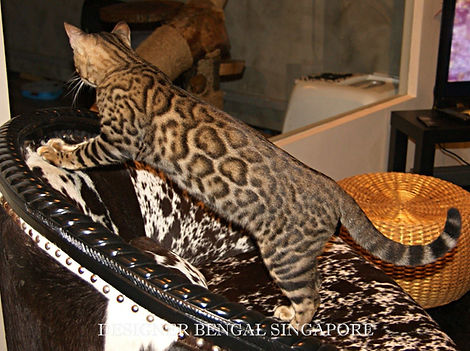
Bengals were created by crossing domestic cats with the Asian Leopard Cat (ALC), a small wild cat native to Asia. This heritage gives them:
- Distinctive spotted or marbled coat with a unique glittery sheen
- Athletic, muscular build designed for climbing and jumping
- High intelligence and problem-solving abilities
- Strong prey drive and love of play
- Affinity for water unusual in domestic cats
▸Coat Patterns and Colors
Bengal coats come in several varieties:
- Spotted: Random spots or rosettes (like a leopard)
- Marbled: Swirled patterns flowing horizontally
- Colors: Brown, silver, snow (seal lynx, seal mink, seal sepia), charcoal, blue
The famous "glitter" is a unique Bengal trait where individual hairs have a translucent tip that reflects light, making the coat shimmer.
Nutrition for Bengals
▸Protein Requirements
Bengals have higher protein needs than many breeds due to their active metabolism:
- Minimum 40% protein from quality animal sources
- Real meat as the first ingredient (chicken, turkey, fish)
- Grain-free formulas often work well
- Wet food component for hydration
▸Feeding Schedule
| Age | Frequency | Amount |
|---|---|---|
| 8-12 weeks | 4 meals/day | 1/4 cup total |
| 3-6 months | 3 meals/day | 1/3-1/2 cup total |
| 6-12 months | 2-3 meals/day | 1/2-3/4 cup total |
| Adult | 2 meals/day | Based on weight |
▸Recommended Foods
Consider our Designer Cats nutrition options:
- Raw Gourmet: Mimics natural diet, excellent for Bengals
- Cooked Gourmet: Cooked option with high protein content
- Quality kibble: As supplement, not primary diet
▸Hydration Tips
Bengals often love water! Encourage drinking by:
- Using cat water fountains (they prefer running water)
- Placing multiple water stations around your home
- Adding water to wet food
- Offering ice cubes as treats
Exercise and Enrichment
▸Physical Activity Needs
Bengals require significant daily exercise:
- Minimum 30-60 minutes of active play daily
- Interactive toys: Feather wands, laser pointers, fishing rod toys
- Fetch: Many Bengals naturally retrieve
- Leash training: Excellent for outdoor exploration safely
▸Environmental Enrichment
Create a Bengal paradise at home:
- Vertical space: Tall cat trees, wall shelves, catios
- Climbing opportunities: Bengal-proof high shelves and perches
- Scratching stations: Multiple tall, sturdy scratching posts
- Window perches: Bird watching entertainment
- Puzzle feeders: Mental stimulation during meals
▸Water Play
Many Bengals enjoy water activities:
- Shallow water bowls for paw-dipping
- Supervised bath time play
- Running water from taps
- Water fountains with moving streams
Health Considerations in Singapore
▸Climate Adaptations
Singapore's tropical weather requires attention:
Heat Management
- Air conditioning during hottest hours
- Cool tile surfaces to lie on
- Fresh water always available
- Avoid exercise during peak heat
Humidity Concerns
- Watch for skin issues in high humidity
- Keep coat clean and dry
- Ensure good air circulation
- Regular grooming to prevent matting
▸Common Bengal Health Issues
Be aware of these breed-specific concerns:
- Hypertrophic Cardiomyopathy (HCM)
- Heart condition more common in Bengals
- Annual cardiac screenings recommended
- Look for reputable breeders who test
- Progressive Retinal Atrophy (PRA)
- Genetic eye condition
- DNA testing available
- Buy from tested breeding lines
- Pyruvate Kinase Deficiency (PKDef)
- Blood disorder
- Genetic testing recommended
- Reputable breeders screen for this
- Flat Chested Kitten Syndrome (FCKS)
- Affects some Bengal kittens
- Usually resolves with proper care
- Not a concern in adult cats
▸Preventive Care Schedule
| Frequency | Care Item |
|---|---|
| Daily | Dental treats or brushing |
| Weekly | Ear check and cleaning if needed |
| Bi-weekly | Nail trimming |
| Monthly | Full body check for lumps/issues |
| Annually | Vet checkup + vaccinations |
| Annually | HCM screening (echocardiogram) |
Grooming Your Bengal
▸Coat Care
Bengal coats are low-maintenance but benefit from:
- Weekly brushing with a soft brush or grooming glove
- Occasional baths (many Bengals enjoy them!)
- Glitter enhancement: Brushing brings out the shimmer
▸Dental Care
Maintain oral health with:
- Daily or weekly tooth brushing
- Dental treats and chews
- Annual professional dental check
▸Nail Care
- Trim every 2-3 weeks
- Provide scratching posts to naturally file nails
- Start handling paws early for easier trims
Training Your Bengal
▸Why Train?
Bengals are highly intelligent and need mental stimulation. Training provides:
- Mental exercise
- Bonding opportunities
- Safety (recall, stay commands)
- Outlet for their intelligence
▸Training Tips
- Use positive reinforcement exclusively
- Keep sessions short (5-10 minutes)
- Train before meals when motivation is high
- Be consistent with commands and rewards
- Clicker training works excellently with Bengals
▸Fun Tricks to Teach
- Sit and stay
- High five and shake
- Fetch and retrieve
- Walking on leash
- Jumping through hoops
- Opening doors (be careful what you wish for!)
Living with a Bengal
▸Personality Expectations
Be prepared for:
- Constant companionship: Bengals are velcro cats
- Vocalization: They talk, chirp, and trill
- Mischief: Their intelligence means trouble-making
- Activity: No couch potato cats here
- Affection: Extremely loving with their families
▸Multi-Pet Households
Bengals often do well with:
- Other cats (especially active breeds)
- Dogs (with proper introduction)
- Larger pets
Not recommended with:
- Small prey animals (hamsters, birds, fish)
- Very timid or elderly cats
▸Family Compatibility
Bengals can be great family pets:
- Good with children who respect boundaries
- Enjoy active families
- Need supervision with very young children
- Thrive with someone home frequently
Conclusion
Bengal cats are extraordinary companions that bring wild beauty and endless entertainment into your home. Their care requirements are specific but manageable with proper preparation. By understanding their needs for nutrition, exercise, enrichment, and health care, you'll enjoy many years with your mini leopard.
Ready to bring home a Bengal? Visit our Bengal kittens page to see available kittens, or contact us to learn more about this magnificent breed!
Continue Your Learning
Explore these related guides for more helpful information:
Breeds Mentioned in This Article
Learn more about these cat breeds featured in this guide:
Related Guides You'll Love
Continue reading:
More about Bengal Cats in Singapore
This guide supports our main breed page, which covers temperament, care commitment and current availability in Singapore.
Visit the Bengal Cats pageReferences & Authoritative Sources
Written by our editorial team from the authoritative veterinary, government and registry sources listed below. For a concern about your own cat, please speak to a veterinarian.
- Animal & Veterinary Service (AVS), Singapore — Pet licensing & welfare standards
- WSAVA Vaccination Guidelines — Global feline vaccination protocol
- AAFP Feline Life Stage Guidelines — Veterinary care across life stages
- Cat Fanciers' Association (CFA) — Breed standards & registry
- The International Cat Association (TICA) — Breed standards & registry
- FIFe — Fédération Internationale Féline — International breed standards