British Shorthairs are the teddy bears of the cat world—round faces, plush coats, and calm, affectionate personalities make them perfect companions for Singapore households. This comprehensive guide covers everything you need to know about caring for these beloved felines.
The British Shorthair: An Overview
▸History and Heritage
The British Shorthair is one of the oldest recognized cat breeds:
- Roman origins: Ancestors came to Britain with Roman invaders
- Working cats: Originally valued as mousers and ratters
- Near extinction: World Wars nearly wiped out the breed
- Modern revival: Careful breeding restored the breed
▸Distinctive Characteristics
British Shorthairs are instantly recognizable:
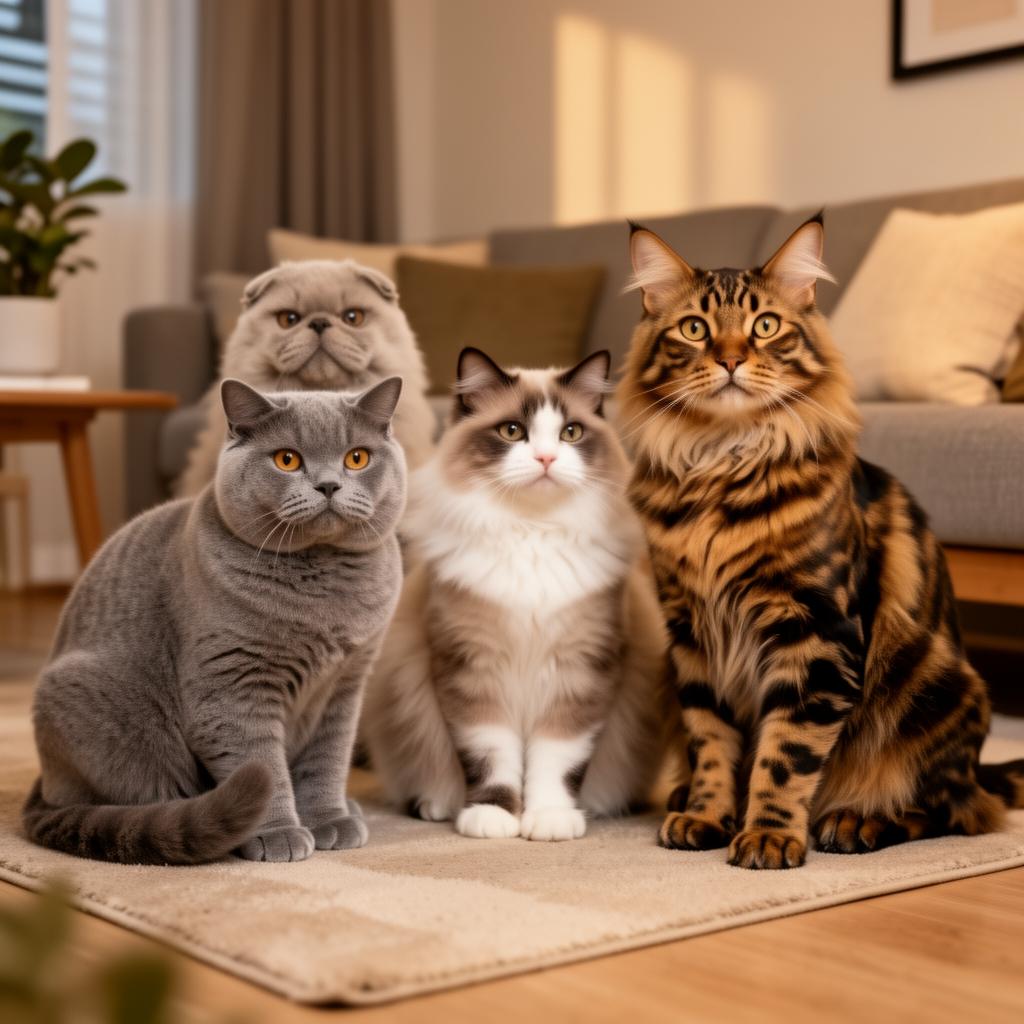
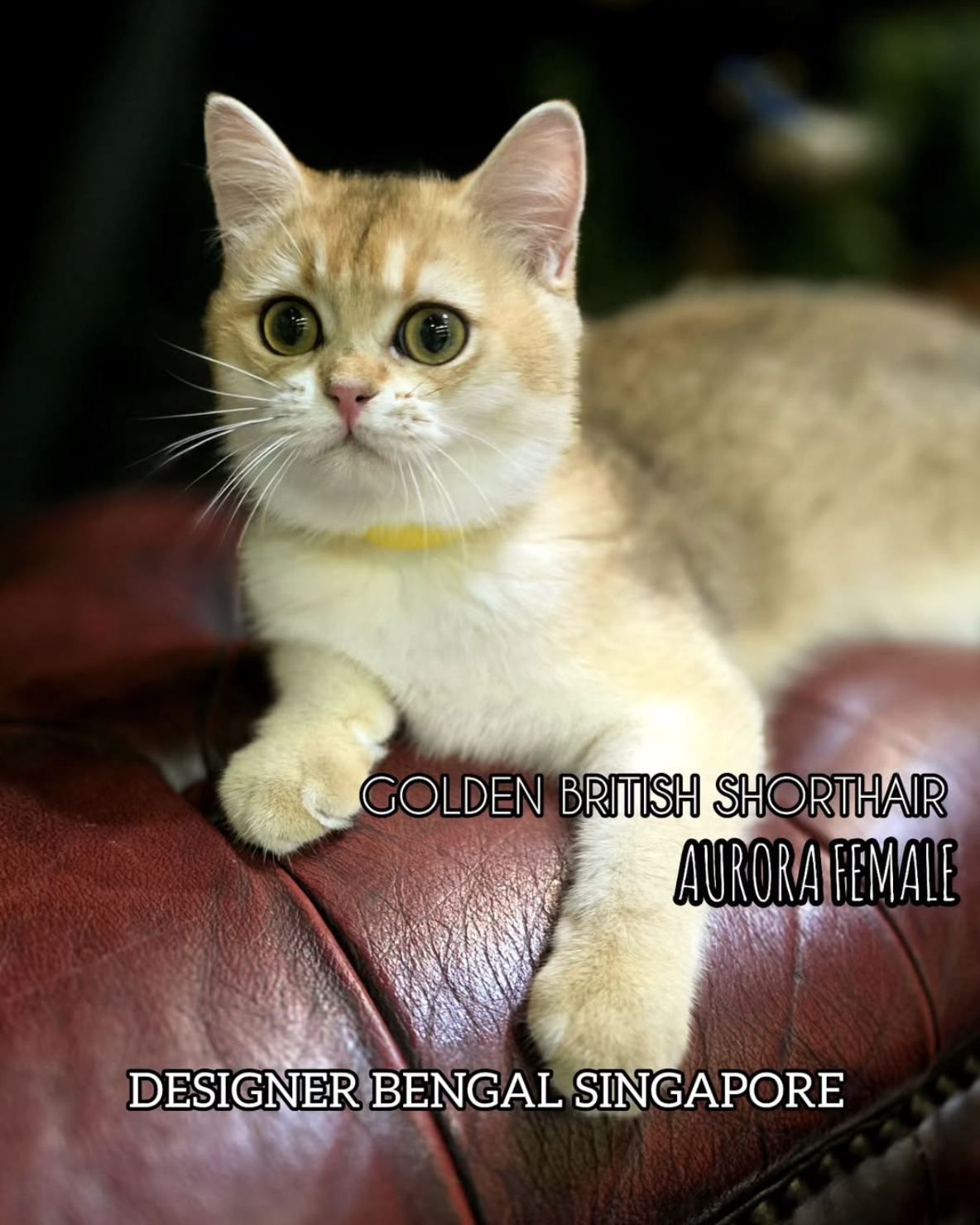
- Round everything: Face, eyes, paws, and body
- Dense coat: Plush, crisp texture like a stuffed animal
- Copper or gold eyes: Though other colors exist
- Sturdy build: Compact, muscular, and medium to large size
- Classic "blue": The iconic British Blue, though many colors exist
▸Color Varieties
While "British Blue" is most famous, the breed comes in:
- Solid colors (white, black, cream, red, lilac, chocolate)
- Tabby patterns (classic, mackerel, spotted)
- Bicolor and tricolor
- Colorpoint varieties
- Golden and silver shaded
Personality and Temperament
▸The British Shorthair Character
These cats are known for their:
- Calm demeanor: Not hyperactive or demanding
- Independent nature: Content when alone
- Quiet voice: Soft, infrequent meowing
- Loyal attachment: Devoted but not clingy
- Dignified presence: Regal and composed
▸Activity Levels
British Shorthairs are moderate in energy:
- Less active than Bengals or Abyssinians
- Enjoy play but also love lounging
- May become couch potatoes if not encouraged
- Need exercise to prevent weight gain
▸Social Behavior
These cats are:
- Good with respectful children
- Tolerant of other pets
- Reserved with strangers initially
- Deeply bonded with their family
- Not lap cats but love being near you
Nutrition for British Shorthairs
▸Dietary Considerations
British Shorthairs have specific nutritional needs:
Weight Management
- Prone to obesity due to calm nature
- Careful portion control essential
- Avoid free-feeding
- Regular weight monitoring
Protein and Fat Balance
- Moderate protein (30-35%)
- Lower fat than active breeds
- Quality animal protein sources
- Limited carbohydrates
▸Feeding Guidelines
| Life Stage | Daily Amount | Frequency |
|---|---|---|
| Kitten (3-6 mo) | 60-80g wet food | 3-4 meals |
| Kitten (6-12 mo) | 80-120g wet food | 3 meals |
| Adult | Based on ideal weight | 2 meals |
| Senior (7+) | Reduced calories | 2-3 meals |
▸Preventing Obesity
British Shorthairs gain weight easily:
- Measure portions precisely
- No free-feeding dry food
- Daily play sessions even if brief
- Puzzle feeders to slow eating
- Regular weigh-ins monthly
Grooming Requirements
▸Coat Care
That plush coat needs attention:
Daily to Weekly Brushing
- Use a quality slicker brush or comb
- More frequent during shedding seasons
- Prevents matting in the dense undercoat
- Reduces hairballs
Bathing
- Occasional baths (every few months)
- Use cat-specific shampoo
- Dry thoroughly (coat is very dense)
- Most BSH don't love water
▸Dental Care
Maintain oral health:
- Daily brushing ideal
- Dental treats as supplement
- Annual professional cleaning if needed
- Watch for signs of dental disease
▸Nail and Ear Care
- Trim nails every 2-3 weeks
- Check ears weekly for wax or debris
- Clean gently with cat-safe solution
- Watch for signs of ear mites
Health Considerations
▸Breed-Specific Health Issues
Be aware of these conditions:
1. Hypertrophic Cardiomyopathy (HCM)
- Heart disease common in BSH
- Annual screening recommended
- Genetic component
- Choose breeders who test
2. Polycystic Kidney Disease (PKD)
- Inherited kidney condition
- DNA testing available
- Reputable breeders screen
3. Hemophilia B
- Bleeding disorder in some lines
- Genetic testing available
- Rare in well-bred cats
4. Obesity
- Not genetic but very common
- Leads to diabetes, arthritis
- Preventable with proper care
▸Health in Singapore's Climate
Managing BSH in tropical weather:
Heat Sensitivity
- Dense coat means they feel heat
- Air conditioning important
- Cool resting spots essential
- Fresh water always available
Humidity Effects
- May cause skin issues
- Keep coat clean and dry
- Watch for fungal infections
- Regular grooming helps
▸Preventive Care Schedule
| Frequency | Care Item |
|---|---|
| Daily | Check food/water, brief play |
| Weekly | Brushing, ear check |
| Bi-weekly | Nail trim |
| Monthly | Weight check |
| Annually | Vet checkup, HCM screening |
Exercise and Enrichment
▸Keeping Your BSH Active
Despite their calm nature, exercise is crucial:
Daily Play Sessions
- At least 15-20 minutes
- Interactive toys work best
- Feather wands and laser pointers
- Scheduled playtime before meals
Environmental Enrichment
- Cat trees (sturdy for their weight)
- Window perches for bird watching
- Puzzle feeders for mental stimulation
- Rotating toy selection
▸Mental Stimulation
Keep their minds active:
- Puzzle feeders
- Treat-dispensing toys
- Training sessions
- New experiences and scents
Living with a British Shorthair
▸Ideal Home Environment
BSH thrive in:
- Calm, stable households
- Homes with predictable routines
- Families who respect their space
- Air-conditioned environments (in Singapore)
▸Compatibility
Great matches:
- Working professionals
- Seniors and retirees
- Families with older children
- Multi-pet households (calm pets)
May struggle with:
- Very chaotic homes
- Rough-handling toddlers
- Highly active companion animals
- Frequent travel/disruption
▸What to Expect
Living with a BSH means:
- A dignified, calm presence
- Predictable, reliable personality
- Strong but not clingy bond
- Minimal vocalization
- Potential weight issues to manage
Bringing Home a British Shorthair
▸Choosing Your Kitten
Look for:
- Health testing documentation (HCM, PKD)
- Well-socialized, confident kittens
- Clean breeding environment
- Reputable breeder with references
- Health guarantee
▸Preparing Your Home
Set up before arrival:
- Food and water stations
- Litter box in quiet location
- Sturdy cat tree
- Scratching posts
- Cozy beds in quiet spots
- Air conditioning access
Conclusion
British Shorthairs are wonderful companions for those who appreciate a calm, dignified cat with teddy-bear charm. Their easy-going nature makes them excellent for Singapore homes, though attention to weight management and heat comfort is essential.
With proper care, your British Shorthair will be a loving, loyal companion for 15-20 years. Their gentle nature and adorable appearance make every day with them a joy.
Visit our British Shorthair page to see our available kittens!
Continue Your Learning
Explore these related guides for more helpful information:
Breeds Mentioned in This Article
Learn more about these cat breeds featured in this guide:
Continue reading:
More about British Shorthair Cats in Singapore
This guide supports our main breed page, which covers temperament, care commitment and current availability in Singapore.
Visit the British Shorthair Cats pageReferences & Authoritative Sources
Written by our editorial team from the authoritative veterinary, government and registry sources listed below. For a concern about your own cat, please speak to a veterinarian.
- Animal & Veterinary Service (AVS), Singapore — Pet licensing & welfare standards
- WSAVA Vaccination Guidelines — Global feline vaccination protocol
- AAFP Feline Life Stage Guidelines — Veterinary care across life stages
- Cat Fanciers' Association (CFA) — Breed standards & registry
- The International Cat Association (TICA) — Breed standards & registry
- FIFe — Fédération Internationale Féline — International breed standards