Bringing a kitten into your home is one of life's most rewarding experiences, but it's also a significant commitment that deserves careful consideration. Before you fall in love with those adorable eyes and tiny paws, take time to evaluate whether you're truly ready for cat ownership. This guide covers the essential factors every prospective kitten owner should consider.
Quick Navigation: View Our Available Kittens | Explore Cat Breeds | First-Time Owner Guide
1. Lifestyle Assessment
▸Your Daily Schedule
Consider how your lifestyle will accommodate a kitten:
- Work hours: Kittens need attention and shouldn't be left alone for extended periods
- Travel frequency: Who will care for your cat when you're away? Consider our pet relocation services if you travel frequently
- Social life: Are you willing to come home to feed and play with your cat?
- Energy levels: Active breeds like Bengals and Abyssinians need owners who can provide stimulation
▸Living Situation
Evaluate your home environment:
- Space: Do you have enough room for a cat tree, litter box, and play areas?
- Pet policies: HDB flats may keep up to two cats, private homes up to three cats and/or dogs, and every pet cat must be licensed with AVS. Check our Cat License Singapore Guide 2026, and your landlord's or condo's own rules
- Roommates/family: Is everyone on board with getting a kitten?
- Outdoor access: Will your cat be indoor-only or have outdoor time?
2. Financial Commitment
▸Initial Costs
Be prepared for upfront expenses:
- Purchase/adoption fee: S$500 - S$5,000+ depending on breed (see our available kittens)
- Initial vet visit: S$100 - S$200
- Vaccinations: S$80 - S$150
- Spaying/neutering: S$250 - S$850
- Basic supplies: S$200 - S$500 (check our cat products)
▸Ongoing Expenses
Monthly and annual costs add up:
- Food: S$100 - S$300/month for quality nutrition (explore Raw Gourmet or Cooked Gourmet)
- Litter: S$30 - S$50/month
- Vet checkups: S$100 - S$200/year
- Pet insurance: S$30 - S$80/month
- Toys and enrichment: S$20 - S$50/month
- Grooming: S$50 - S$100/month for long-haired breeds like Persians and Maine Coons
▸Emergency Fund
Set aside savings for unexpected costs:
- Emergency vet visits can cost S$500 - S$5,000+
- Chronic conditions may require ongoing treatment
- Learn to detect early illness signs to prevent costly emergencies
3. Time Commitment
▸Daily Care Requirements
Cats need consistent daily attention:
- Feeding: 2-3 times daily for kittens (see our kitten feeding schedule guide)
- Litter box maintenance: Scooping daily, full cleaning weekly (learn litter training tips)
- Playtime: 30+ minutes of interactive play
- Grooming: Brushing, nail trims, dental care
- Socialization: Quality bonding time
▸Long-Term Commitment
Remember that cats live 15-20+ years:
- Life circumstances change—are you committed long-term?
- Moving, relationships, and career changes shouldn't mean rehoming
- Senior cats need extra care and veterinary attention
4. Choosing the Right Breed
▸Research Breed Characteristics
Different breeds have different needs. Here are some popular options we offer:
| Breed | Energy Level | Grooming | Personality |
|---|---|---|---|
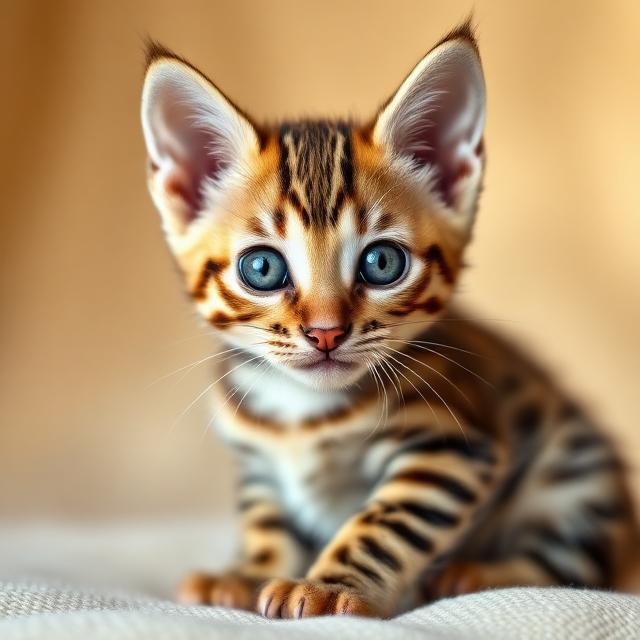
| [Bengal](/breeds/bengal) | Very High | Low | Playful, Athletic |
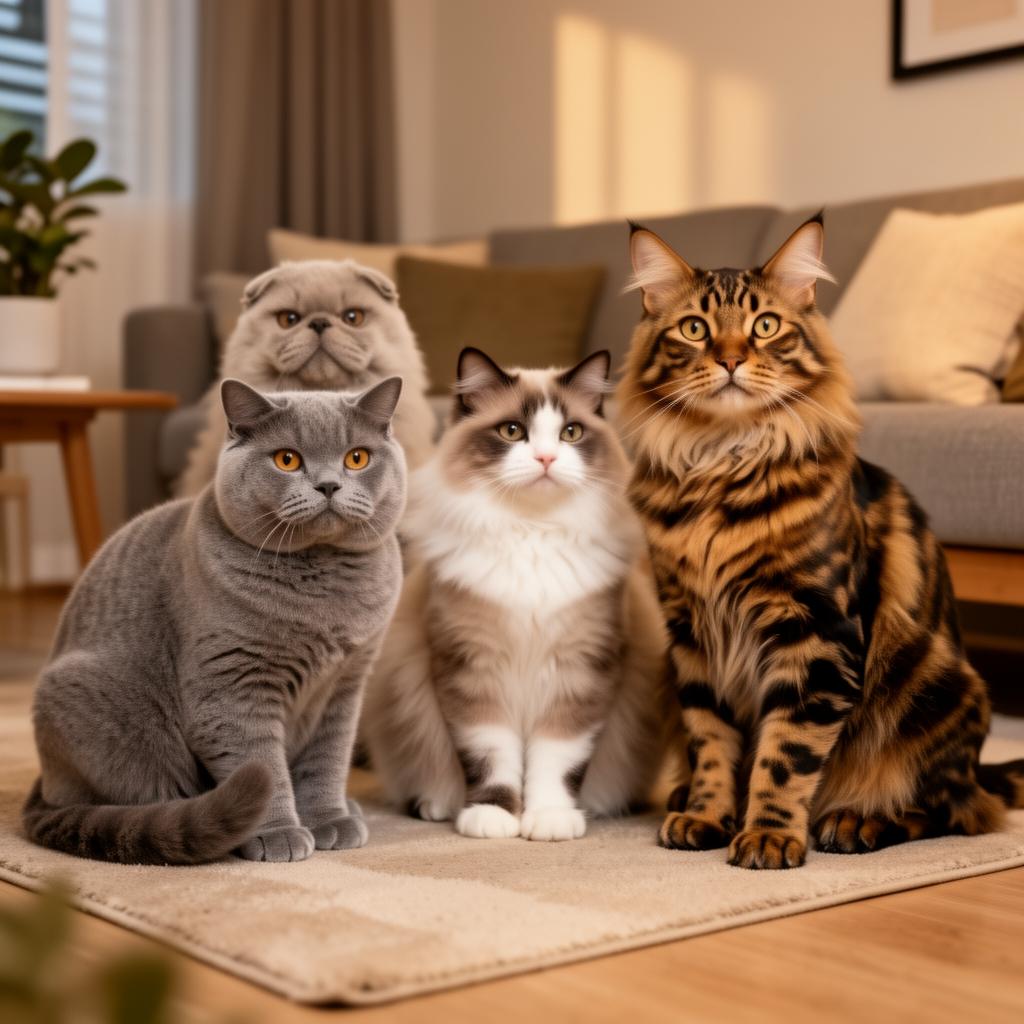
| [British Shorthair](/breeds/british-shorthair) | Low-Medium | Low | Calm, Affectionate |
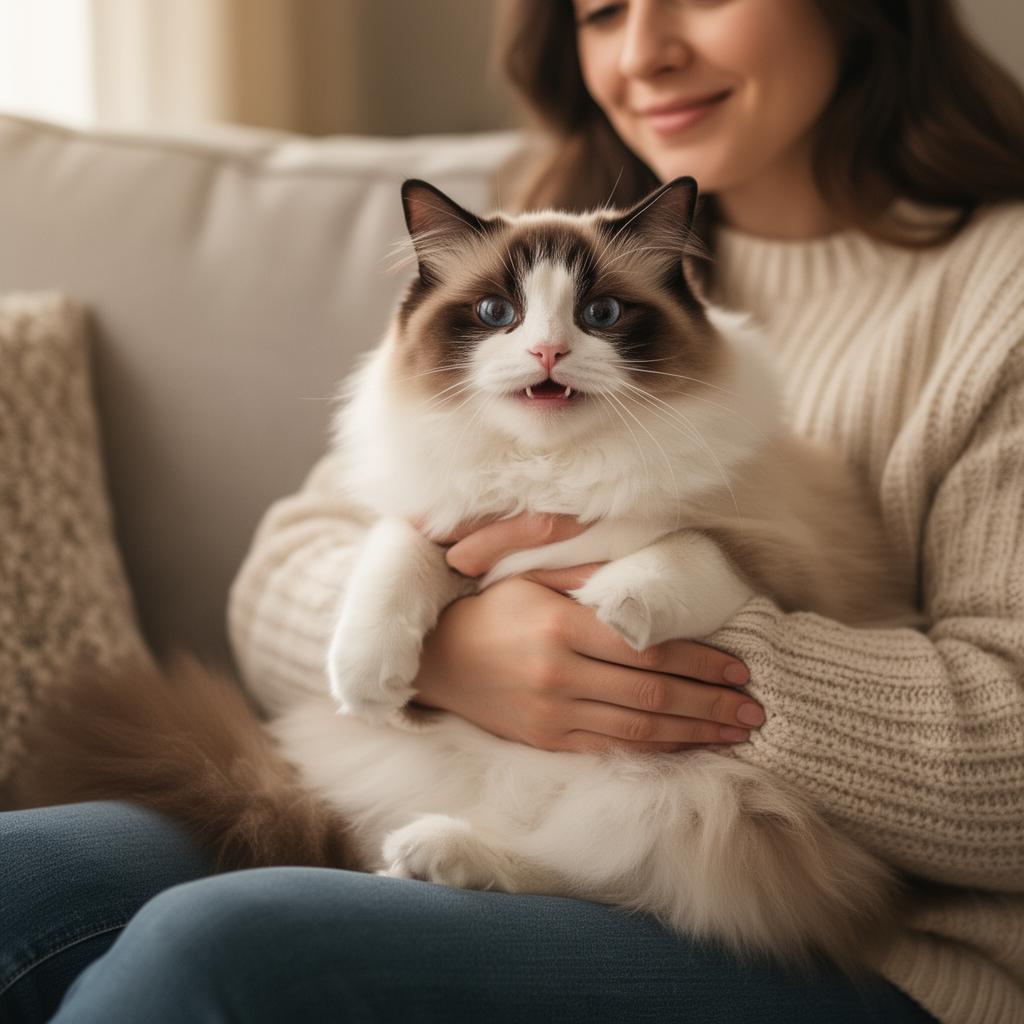
| [Ragdoll](/breeds/ragdoll) | Low | Medium | Gentle, Lap Cat |
| [Maine Coon](/breeds/maine-coon) | Medium | High | Friendly, Dog-like |
| [Sphynx](/breeds/sphynx) | High | Special Care | Affectionate, Curious |
| [Persian](/breeds/persian) | Low | Very High | Sweet, Quiet |
| [Scottish Fold](/breeds/scottish-fold) | Medium | Low-Medium | Easygoing, Loyal |
▸Matching Personality
Consider temperament compatibility:
- Do you want an independent cat or a lap cat? Ragdolls are famous for being docile and affectionate
- Are you prepared for a highly intelligent, mischievous breed? Bengals and Abyssinians are extremely clever
- Do you prefer calm and reserved or playful and energetic? British Shorthairs are wonderfully laid-back
- Worried about allergies? No breed is reliably allergen-free, so read the allergy section below before choosing
5. Health Considerations
▸Allergies
Before committing:
- No cat breed is reliably allergen-free. The main cat allergen (Fel d 1) is produced in saliva and skin, so even hairless or low-shedding cats such as the Sphynx can still trigger reactions. Low shedding is not a guarantee
- Reactions vary from person to person and even from cat to cat, so spend time with the actual kitten (and ideally its parents) before committing
- If anyone in the household has allergies or asthma, speak to a doctor or allergist before getting a cat
- Read more in our guide to choosing a cat, and see the American Academy of Allergy, Asthma & Immunology on pet allergies
▸Your Health
Consider your physical ability:
- Can you lift heavy litter bags and supplies?
- Are you able to bend for litter box maintenance?
- Can you handle active play sessions?
- Do you have mobility issues that might be affected by a cat underfoot?
Related Reading: How to Tell if Your Cat is Sick | Boost Your Cat's Immunity
6. Finding a Reputable Source
▸Red Flags to Avoid
Watch out for these warning signs:
- Sellers unwilling to let you visit
- No health records or vaccination history
- Vague answers about a kitten's parents, origin or breeding records
- Pressure to buy immediately
- Unusually low prices
- Kittens available before 12 weeks old
Read our comprehensive guide on Where to Get Cats in Singapore to learn more about choosing the right source.
▸Green Flags to Look For
Signs of a reputable breeder (like Designer Cats - AVS License No. AS25A00005):
- Health testing documentation (HCM, PKD, etc.)
- Willingness to answer questions
- Clean, healthy environment
- Socialized, confident kittens
- Contract and health guarantee
- Ongoing support and advice
Why Choose Us? Learn more About Designer Cats and see our customer reviews.
7. Preparing Your Home
▸Cat-Proofing Essentials
Make your home safe—read our detailed guide on Preparing Your Home for a New Kitten:
- Secure toxic plants and chemicals
- Hide or protect electrical cords
- Install mesh, grilles or screens to stop roaming and falls from height (an AVS licensing requirement)
- Store small objects that could be swallowed
- Secure heavy items that could fall
▸Essential Setup
Create a welcoming environment with supplies from our products page:
- Quiet space for the litter box
- Elevated perches and hiding spots
- Scratching posts and cat trees
- Comfortable sleeping areas
- Food and water stations away from litter
8. Existing Pets
▸Introduction Planning
If you have other pets:
- Research how your current pets typically react to newcomers
- Plan a gradual introduction process
- Set up separate spaces initially
- Consider the age and temperament of existing pets
- Be prepared for weeks of careful integration
▸Compatibility Concerns
Some combinations are challenging:
- Senior cats may not appreciate kitten energy
- Some dog breeds have high prey drives
- Multiple cats need adequate resources (litter boxes, food stations)
- Territorial issues may arise
9. Family Dynamics
▸Children and Cats
If you have children:
- Teach gentle handling before the kitten arrives
- Supervise all interactions initially
- Choose breeds known for patience with children like Ragdolls and Maine Coons
- Ensure children understand pet responsibilities
- Cats need escape routes from overly enthusiastic kids
▸All Household Members
Everyone should be involved:
- Discuss responsibilities and expectations
- Ensure no one has severe allergies
- Agree on house rules (furniture, feeding, etc.)
- Plan who handles care during vacations
10. Long-Term Planning
▸Life Changes
Think ahead:
- What happens if you need to move? Check our Pet Relocation Services
- How will a new baby affect cat care?
- What's your plan for travel?
- Who will be the emergency caretaker?
- Have you considered pet trusts or wills?
▸Aging and End of Life
Be prepared for all stages:
- Senior cats need more veterinary care
- Quality of life decisions are difficult but important
- Have funds set aside for end-of-life care
- Consider how you'll cope with eventual loss
Nutrition: Setting Up for Success
Kittens need a complete and balanced diet formulated for growth. Keep your kitten on the food it was weaned on for the first weeks at home, then make any change gradually over about a week to avoid stomach upsets. Fresh water should always be available.
No single diet prevents or cures disease. Ask your vet about your kitten's diet at its first check-up, and see a vet promptly if you notice vomiting, diarrhoea, poor appetite or weight loss. Our kittens are weaned on our own Raw Gourmet and Cooked Gourmet recipes, so you can continue the same food at home if you wish. Read the trade-offs in our Raw vs Cooked Cat Food Guide.
Conclusion
Deciding to get a kitten should never be impulsive. By carefully considering these ten essential factors, you're setting yourself and your future feline companion up for success. A well-prepared home and realistic expectations lead to a fulfilling relationship that can last two decades or more.
Take your time with this decision. Visit breeders, spend time with cats, and truly evaluate your readiness. When you've done your homework and feel confident in your decision, you'll be ready to welcome a kitten into a loving, forever home.
---
Ready to Take the Next Step?
At Designer Cats (AVS License No. AS25A00005), we're happy to discuss these considerations with you and help you find the perfect kitten that matches your lifestyle and expectations.
- 🐱 View Our Available Kittens
- 📖 Read Our First-Time Cat Owner Guide
- 🏠 Learn About Cat Licensing in Singapore
- 📞 Contact Us to start your journey to cat ownership!
More Helpful Guides:
- Kitten Feeding Schedule & Nutrition Guide
- Litter Training Your Kitten
- Understanding Cat Body Language
- Why Do Cats Purr?
Continue Your Learning
Explore these related guides for more helpful information:
Breeds Mentioned in This Article
Learn more about these cat breeds featured in this guide:
Related Guides You'll Love
Kitten Feeding Schedule & Nutrition Guide
Cat License Singapore Guide 2026
Abyssinian Cats Guide Singapore
Litter Training Kitten Guide Singapore
Continue reading:
Continue in the Choosing a Cat guide
This article is one chapter of a larger Singapore guide. The hub links every related chapter in reading order.
Open the Choosing a Cat hub- Best breed of cat to own in SingaporeBreed shortlists matched to Singapore homes and lifestyles.
- Friendliest and calmest cat breeds in SingaporeWhich breeds are most sociable, quiet and easy to live with.
- How much does a kitten cost in Singapore?Purchase price plus the monthly maintenance owners underestimate.
- Where can I buy a kitten in Singapore?Licensed catteries, adoption and what to verify before paying.
- Cat licensing in SingaporeThe current licensing rules every owner must follow.
- Finding your kitten matchMatching personality, not just looks, to your household.
References & Authoritative Sources
Written by our editorial team from the authoritative veterinary, government and registry sources listed below. For a concern about your own cat, please speak to a veterinarian.
- Animal & Veterinary Service (AVS), Singapore — Pet licensing & welfare standards
- WSAVA Vaccination Guidelines — Global feline vaccination protocol
- AAFP Feline Life Stage Guidelines — Veterinary care across life stages
- Cat Fanciers' Association (CFA) — Breed standards & registry
- The International Cat Association (TICA) — Breed standards & registry
- FIFe — Fédération Internationale Féline — International breed standards