
Congratulations on deciding to become a cat parent! Welcoming a feline companion into your home is an exciting journey filled with purrs, play, and endless love. This comprehensive guide will help first-time cat owners in Singapore navigate everything from initial preparations to ongoing care – and most importantly, how to set your cat up for a long, healthy life from day one.
Before Bringing Your Cat Home
▸Essential Supplies Checklist
Essential Supplies Checklist
Everything your new cat needs

Litter Box & Litter
Start with unscented clumping litter for easy cleaning
💡 Keep in a quiet, accessible spot
Shop now →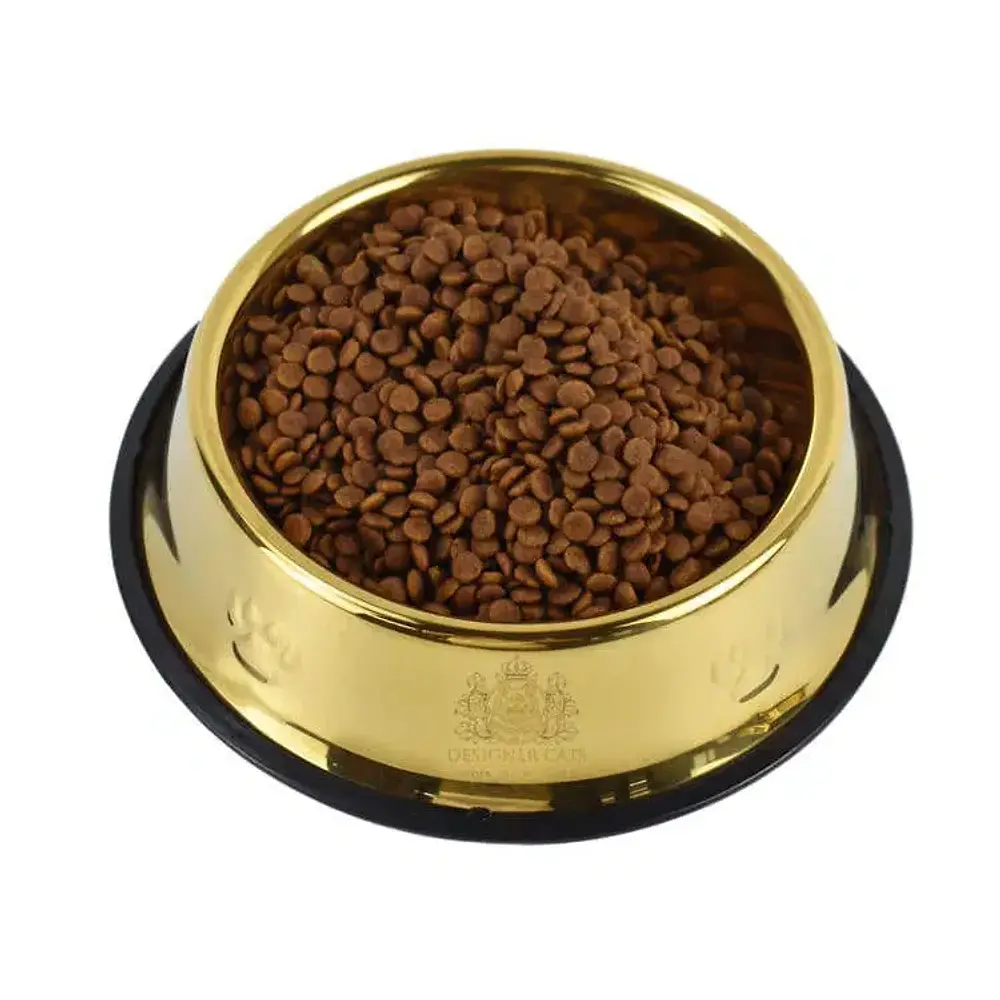
Food & Water Bowls
Stainless steel or ceramic bowls recommended for hygiene
💡 Wide, shallow bowls prevent whisker fatigue
Shop now →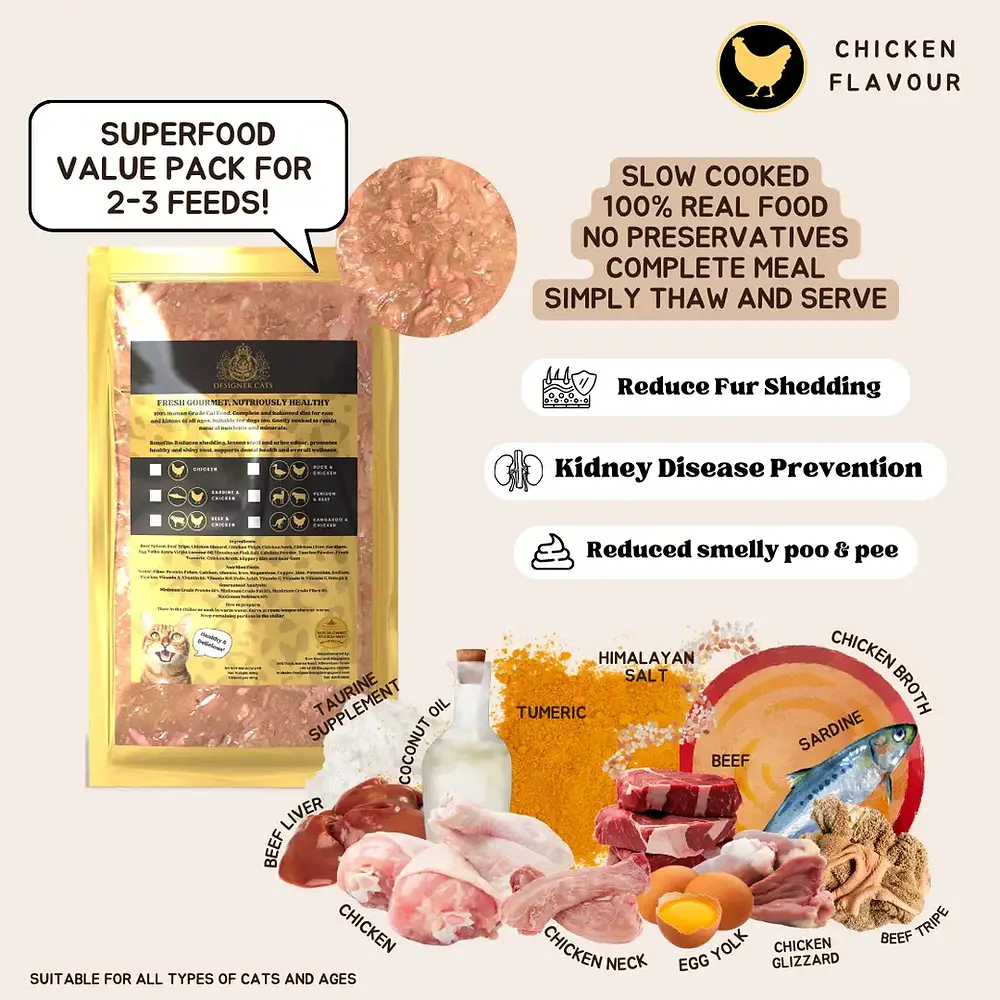
Quality Cat Food
Age-appropriate kitten or adult formula with real meat
💡 We recommend our Cooked Gourmet range
Shop now →

Cat Carrier
For safe vet visits and transport in Singapore
💡 Leave it open at home so cat gets familiar
Shop now →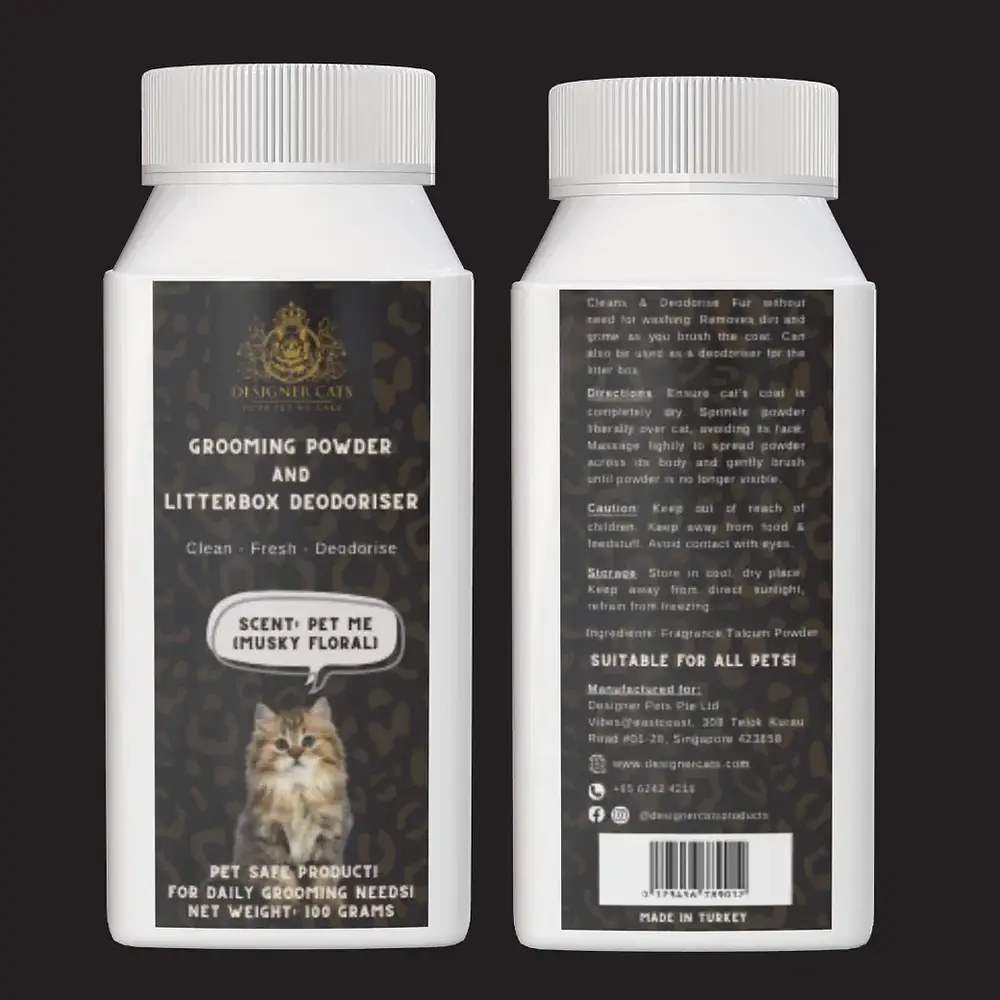
Grooming Tools
Brush, nail clippers, and toothbrush for regular care
💡 Start grooming early to build trust
Shop now →Need help choosing supplies?
Visit our store for curated cat essentials in Singapore
▸Setting Up Your Home
Create a dedicated "base camp" for your new cat:
- Choose a quiet room away from high-traffic areas
- Set up food, water, and litter box (keep food away from litter!)
- Add hiding spots like boxes or covered beds
- Include a scratching post and toys
- Cat-proof by removing toxic plants and securing loose wires
Understanding Cat Behavior
▸Common Cat Behaviors Explained
- Kneading: Sign of contentment from kitten nursing behavior
- Head bumting: Marking you with their scent - a sign of affection
- Slow blinking: The cat "I love you" - try blinking back!
- Tail position: Up = happy, puffed = scared, low = uncertain
- Zoomies: Normal energy release, especially at dawn/dusk
▸Body Language
Learn to read your cat's mood:
- Ears forward: Curious and alert
- Ears flat: Scared or aggressive
- Relaxed whiskers: Content
- Forward whiskers: Interested or hunting
Healthcare Essentials
▸Finding a Vet in Singapore
Choose a vet clinic before bringing your cat home. Look for:
- Proximity to your home
- Emergency services availability
- Good reviews and recommendations
- Cat-friendly certification (bonus!)
▸Vaccination Schedule
Core vaccines for cats in Singapore:
- FVRCP (Feline Viral Rhinotracheitis, Calicivirus, Panleukopenia)
- Rabies (required for travel)
▸Spaying/Neutering
Benefits include:
- Prevents unwanted litters
- Reduces roaming behavior
- Decreases risk of certain cancers
- Generally calmer temperament
Nutrition: The Foundation of Your Cat's Health
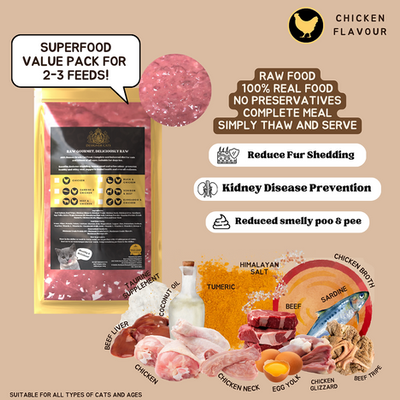
Benefits of Fresh & Raw Diets
Cat Treats: Important Guidelines
💡 Pro tip: The best reward you can give your cat is quality playtime. Cats value interaction just as much as food!
Nutrition is perhaps the single most important factor in determining your cat's long-term health. What you feed your kitten or cat from day one will directly impact their immune system, coat quality, organ function, and lifespan. Studies show that approximately 70% of cats show signs of dental disease by age three, and poor nutrition accelerates conditions like chronic kidney disease (CKD) – one of the leading causes of death in senior cats.
▸Why Quality Nutrition Matters from Day One
Cats are obligate carnivores, meaning they require nutrients found primarily in meat. Unlike dogs, cats cannot synthesize essential amino acids like taurine from plant sources – they must get these directly from animal protein. A diet lacking in quality protein can lead to:
- Muscle wasting and weakness
- Heart problems (taurine deficiency causes dilated cardiomyopathy)
- Vision problems and blindness
- Weakened immune system
- Poor coat and skin health
Starting your kitten or cat on high-quality, species-appropriate food sets the foundation for optimal health and can prevent costly veterinary bills down the road.
▸Fresh & Raw Food: The Optimal Choice
We highly recommend transitioning your cat to a fresh or raw diet for the best health outcomes. Our Raw Gourmet and Cooked Gourmet ranges are specifically formulated for cats in Singapore:
Benefits of Raw & Fresh Diets:
- Higher bioavailability: Nutrients are more easily absorbed than from processed kibble
- Better hydration: Fresh foods contain 70-80% moisture, supporting kidney health
- Improved digestion: Natural enzymes aid nutrient absorption
- Healthier coat and skin: Premium proteins promote a glossy, healthy coat
- Dental health: Raw meats help naturally clean teeth and reduce tartar buildup
- Better weight management: High protein, low carb content prevents obesity
- Stronger immune system: Antioxidants and natural nutrients boost immunity
Our Raw Gourmet range features human-grade meats including chicken, beef, duck, venison, kangaroo, and sardine – all halal-certified and locally prepared in Singapore. For cat owners who prefer cooked options, our Cooked Gourmet range offers the same premium ingredients, gently cooked to preserve nutrients while eliminating raw handling concerns.
▸Feeding Schedule
- Kittens (under 6 months): 3-4 small meals daily
- Young adults (6-12 months): 2-3 meals daily
- Adults (1+ years): 2 meals daily
- Seniors (10+ years): 2-3 smaller meals to aid digestion
Avoid free-feeding dry food as it can lead to obesity and doesn't provide adequate hydration.
▸The Truth About Cat Treats: Use Sparingly
Treats can be a wonderful tool for training and rewarding good behaviour, but they must be used correctly. According to veterinary nutritionists, treats should never exceed 10% of your cat's daily calorie intake.
Why Over-Treating is Dangerous:
- Nutritional imbalance: Unlike complete cat foods, most treats are NOT nutritionally balanced. Over-treating means your cat fills up on "junk food" instead of essential nutrients.
- Obesity epidemic: Treat calories add up quickly. Obesity now affects approximately 40% of cats globally and leads to diabetes, joint problems, and shortened lifespan.
- Kidney damage: Excessive treats, especially those high in phosphorus, sodium, or artificial additives, put extra strain on the kidneys. Chronic kidney disease is already the leading cause of death in senior cats – don't accelerate it.
- Dental disease and gingivitis: Many treats are high in sugars and starches that promote plaque buildup. Around 70% of cats develop dental disease by age three, which can lead to bacteria entering the bloodstream and damaging the heart and kidneys.
- Appetite interference: Too many treats can cause your cat to refuse their nutritionally complete meals.
Smart Treat Guidelines:
- ✅ Use treats specifically for training sessions and good behaviour rewards
- ✅ Choose low-calorie, single-ingredient treats (freeze-dried meat is ideal)
- ✅ Break treats into smaller pieces – cats respond to frequency, not size
- ✅ Consider using a small portion of their regular food as "treats"
- ✅ Ask your vet before giving treats if your cat has any medical conditions
- ❌ Never use treats as a meal replacement
- ❌ Avoid treats with artificial colours, flavours, or excessive salt/sugar
Pro tip: The best "treat" you can give your cat is quality one-on-one playtime. Cats value interaction and mental stimulation just as much as food rewards!
Costs of Cat Ownership in Singapore
▸Initial Costs
- Cat purchase/adoption: $50 - $10,000+ (depending on breed)
- Supplies: $200 - $500
- Initial vet visit and vaccines: $100 - $300
- Spaying/neutering: $250 - $850
▸Monthly Costs
- Premium cat food (Raw/Cooked Gourmet): $120 - $200
- Standard commercial cat food: $50 - $100
- Litter: $25 - $60
- Vet care (averaged): $30 - $50
- Pet insurance (optional but recommended): $30 - $80
- Treats (minimal): $10 - $20
▸Annual Costs
- Vaccinations: $80 - $150
- Health check-up: $50 - $100
- Grooming (optional): $50 - $200
- Dental cleaning (if needed): $200 - $500
Investment tip: Spending more on quality nutrition now can save thousands in veterinary bills later. Prevention is always cheaper than treatment.
Common First-Timer Mistakes
- Rushing introductions: Give your cat time to adjust
- Wrong litter box placement: Keep away from food and in quiet areas
- Ignoring dental health: Start brushing early and feed appropriate food
- Skipping playtime: Cats need daily exercise
- Punishing bad behavior: Use positive reinforcement instead
- Overfeeding treats: Stick to the 10% rule
- Choosing food based on price alone: Cheap food costs more in vet bills
Building a Bond with Your Cat
- Establish consistent routines for feeding and play
- Respect their boundaries and personal space
- Use treats sparingly and purposefully for training
- Spend quiet time together daily
- Learn their individual preferences
- Play with interactive toys for at least 15-30 minutes daily
Conclusion
Being a first-time cat owner is a learning experience filled with joy and occasional challenges. The decisions you make in the first few months – especially regarding nutrition – will impact your cat's health for years to come. By choosing quality food like our Raw Gourmet or Cooked Gourmet ranges, using treats wisely, and providing regular veterinary care, you're setting your feline friend up for a long, healthy, and happy life.
With preparation, patience, and love, you'll build a wonderful relationship with your new companion. Remember, every cat is unique, so take time to understand your specific feline's needs and personality.
Welcome to the wonderful world of cat ownership – and welcome to the Designer Cats family!
Continue Your Learning
Explore these related guides for more helpful information:
Related Guides You'll Love
Continue reading:
Continue in the Kitten Care guide
This article is one chapter of a larger Singapore guide. The hub links every related chapter in reading order.
Open the Kitten Care hub- Preparing your home for a new kittenRoom setup, supplies and safe zones before pickup day.
- Cat-proofing a Singapore homeWindow grilles, balconies, cables and plants to secure first.
- The 3-3-3 rule for settling a catWhat to expect at three days, three weeks and three months.
- Litter training a kittenTray placement, litter choice and fixing accidents.
- Kitten feeding schedulePortions and meal frequency from eight weeks to a year.
- Bringing your kitten homeTransport, the first night and introducing other pets.
References & Authoritative Sources
Written by our editorial team from the authoritative veterinary, government and registry sources listed below. For a concern about your own cat, please speak to a veterinarian.
- Animal & Veterinary Service (AVS), Singapore — Pet licensing & welfare standards
- WSAVA Vaccination Guidelines — Global feline vaccination protocol
- AAFP Feline Life Stage Guidelines — Veterinary care across life stages
- Cat Fanciers' Association (CFA) — Breed standards & registry
- The International Cat Association (TICA) — Breed standards & registry
- FIFe — Fédération Internationale Féline — International breed standards