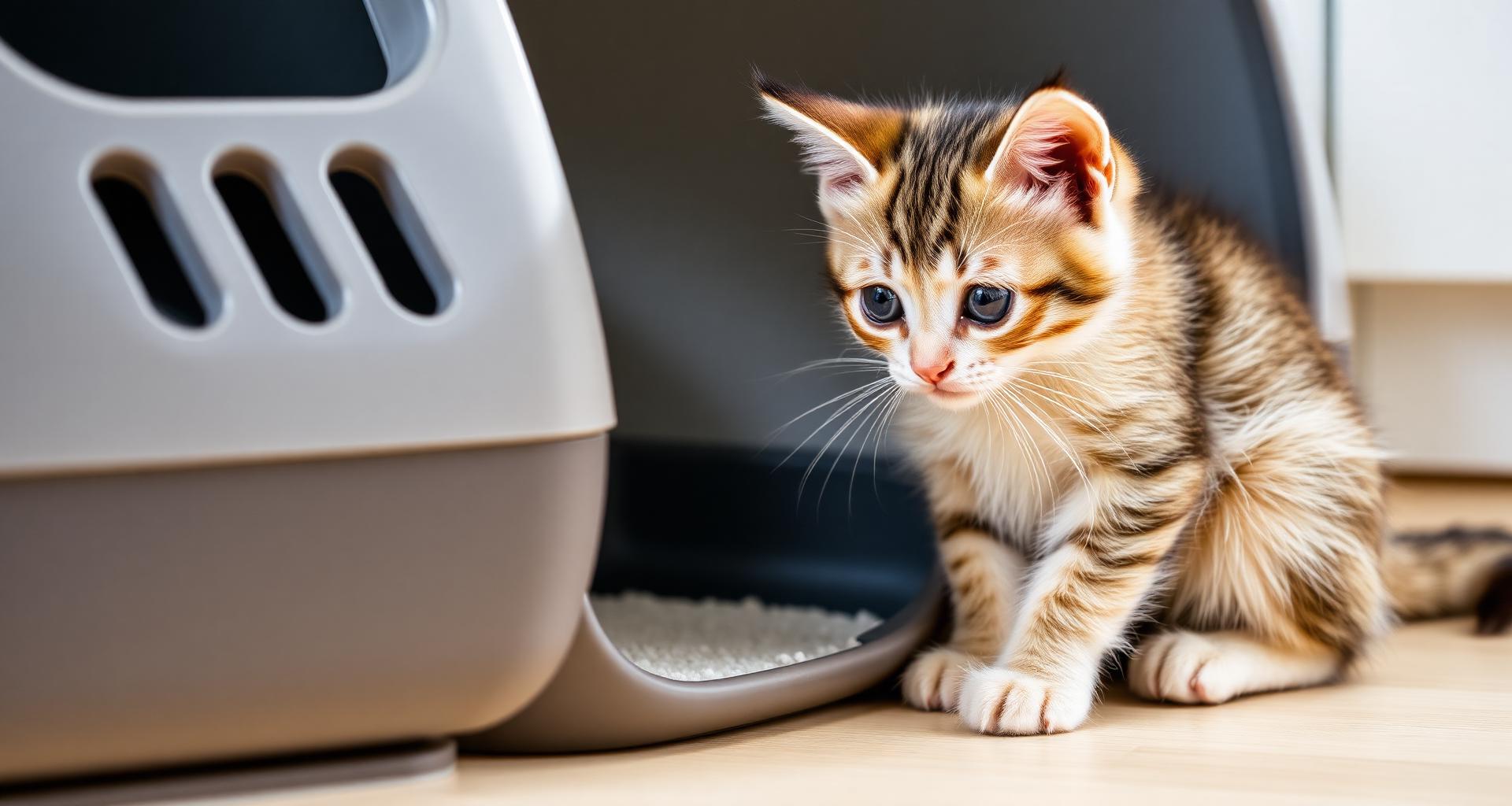
Welcoming a new kitten into your home is exciting, but it comes with responsibilities. One of the most important tasks is litter training. Fortunately, cats have a natural instinct to bury their waste, making litter training relatively straightforward.
Understanding Cat Instincts
▸Why Cats Use Litter
Cats naturally prefer to:
- Eliminate in sandy, loose substrates
- Bury their waste to hide scent from predators
- Use the same area consistently
- Avoid eliminating near food and water
This instinct makes litter training easier than training many other pets.
Choosing the Right Supplies
▸Litter Box Selection
Size
- Large enough for cat to turn around comfortably
- Kittens: Low sides for easy entry
- Adults: At least 1.5x the cat's length
Type
- Open boxes: Easy access, better for beginners
- Covered boxes: More privacy, but some cats dislike them
- Self-cleaning boxes: Convenient, but may scare some cats
Quantity
The golden rule: One box per cat, plus one extra.
▸Litter Types
Clumping Clay
- Easy to scoop
- Good odor control
- Most popular choice
Non-Clumping Clay
- Cheaper option
- Requires full changes more often
- Good for kittens
Crystal/Silica Gel
- Excellent odor control
- Longer-lasting
- Higher initial cost
Natural Options
- Paper, wood, corn, walnut
- Eco-friendly
- Some cats may not accept
▸Best Practices for Litter
- Start with unscented (many cats dislike strong fragrances)
- Fill box 2-3 inches deep
- Stick with what breeder/shelter used initially
- Transition gradually if changing types
The Training Process
▸Step 1: Location Matters
- Quiet, low-traffic area
- Away from food and water
- Easy access at all times
- Avoid areas near loud appliances
▸Step 2: Introduction
- Show kitten the litter box location
- Place kitten in box gently
- Let them sniff and explore
- Don't force them to dig or stay
▸Step 3: Timing
Place kitten in litter box:
- After waking from naps
- After meals
- After play sessions
- Whenever they sniff or circle
▸Step 4: Praise Success
- Offer gentle praise when they use the box
- Never punish accidents
- Clean accidents thoroughly with enzyme cleaner
Common Mistakes to Avoid
▸Wrong Box Placement
- Too close to food
- In noisy areas
- Hard to access
- Near litter boxes of other cats
▸Dirty Litter Box
- Scoop at least once daily
- Deep clean weekly
- Replace litter completely when needed
- Wash box with mild soap monthly
▸Wrong Litter Depth
- Too shallow: Can't bury properly
- Too deep: Uncomfortable for some cats
- Ideal: 2-3 inches
▸Punishment
Never punish a kitten for accidents:
- Creates fear and anxiety
- May cause litter box aversion
- Doesn't teach correct behavior
▸Sudden Changes
- Don't switch litter types suddenly
- Don't move box location abruptly
- Introduce changes gradually
Troubleshooting Problems
▸Accidents Outside the Box
Check for Medical Issues First
Urinary tract infections and other health problems can cause inappropriate elimination. See your vet.
Environmental Causes
- Box too dirty
- Box too small
- Don't like litter type
- Location issues
- Stress from changes
Solutions
- Clean box more frequently
- Try different litter
- Add more boxes
- Reduce stressors
- Clean accidents with enzyme cleaner
▸Avoiding the Box Entirely
Possible Causes
- Negative association (scared by noise)
- Previous painful elimination
- Box is too small
- Covered box trapping odors
- Another cat blocking access
Solutions
- Try uncovered box
- Move to quieter location
- Get larger box
- Ensure each cat has access
- Clean thoroughly
▸Going Right Next to the Box
Usually Indicates
- Doesn't like something about the box
- Box too dirty
- Entry is difficult
- Litter type issues
Try
- Different litter
- Lower-sided box
- More frequent cleaning
- Larger box size
Special Situations
▸Multi-Cat Households
- One box per cat plus one
- Boxes in different locations
- Don't place boxes side by side
- Clean all boxes equally
▸Senior Cats
- Low-entry boxes
- Boxes on every floor
- Larger boxes for comfort
- Consider joint-friendly locations
▸Small Apartments
- Use apartment-friendly box designs
- Consider furniture-concealing boxes
- Maintain strict cleaning schedule
- Ensure adequate ventilation
Maintenance Schedule
▸Daily
- Scoop all boxes
- Check litter level
- Quick wipe of box edges
▸Weekly
- Deep clean boxes
- Replace litter if needed
- Check for damage
▸Monthly
- Full litter replacement
- Wash boxes with mild soap
- Inspect for cracks or wear
Conclusion
Litter training success comes from understanding your cat's natural instincts and providing the right environment. With patience, proper supplies, and consistent cleaning, your kitten will develop excellent litter habits.
At Designer Cats, all our kittens are litter trained before going to their new homes. Contact us at 8870 0666 or WhatsApp 8870 0666 for more information!
Continue Your Learning
Explore these related guides for more helpful information:
Continue reading:
Continue in the Kitten Care guide
This article is one chapter of a larger Singapore guide. The hub links every related chapter in reading order.
Open the Kitten Care hub- Preparing your home for a new kittenRoom setup, supplies and safe zones before pickup day.
- Cat-proofing a Singapore homeWindow grilles, balconies, cables and plants to secure first.
- The 3-3-3 rule for settling a catWhat to expect at three days, three weeks and three months.
- Kitten feeding schedulePortions and meal frequency from eight weeks to a year.
- First-time cat owner guideThe full checklist for a first cat in Singapore.
- Bringing your kitten homeTransport, the first night and introducing other pets.
References & Authoritative Sources
Written by our editorial team from the authoritative veterinary, government and registry sources listed below. For a concern about your own cat, please speak to a veterinarian.
- Animal & Veterinary Service (AVS), Singapore — Pet licensing & welfare standards
- WSAVA Vaccination Guidelines — Global feline vaccination protocol
- AAFP Feline Life Stage Guidelines — Veterinary care across life stages
- Cat Fanciers' Association (CFA) — Breed standards & registry
- The International Cat Association (TICA) — Breed standards & registry
- FIFe — Fédération Internationale Féline — International breed standards