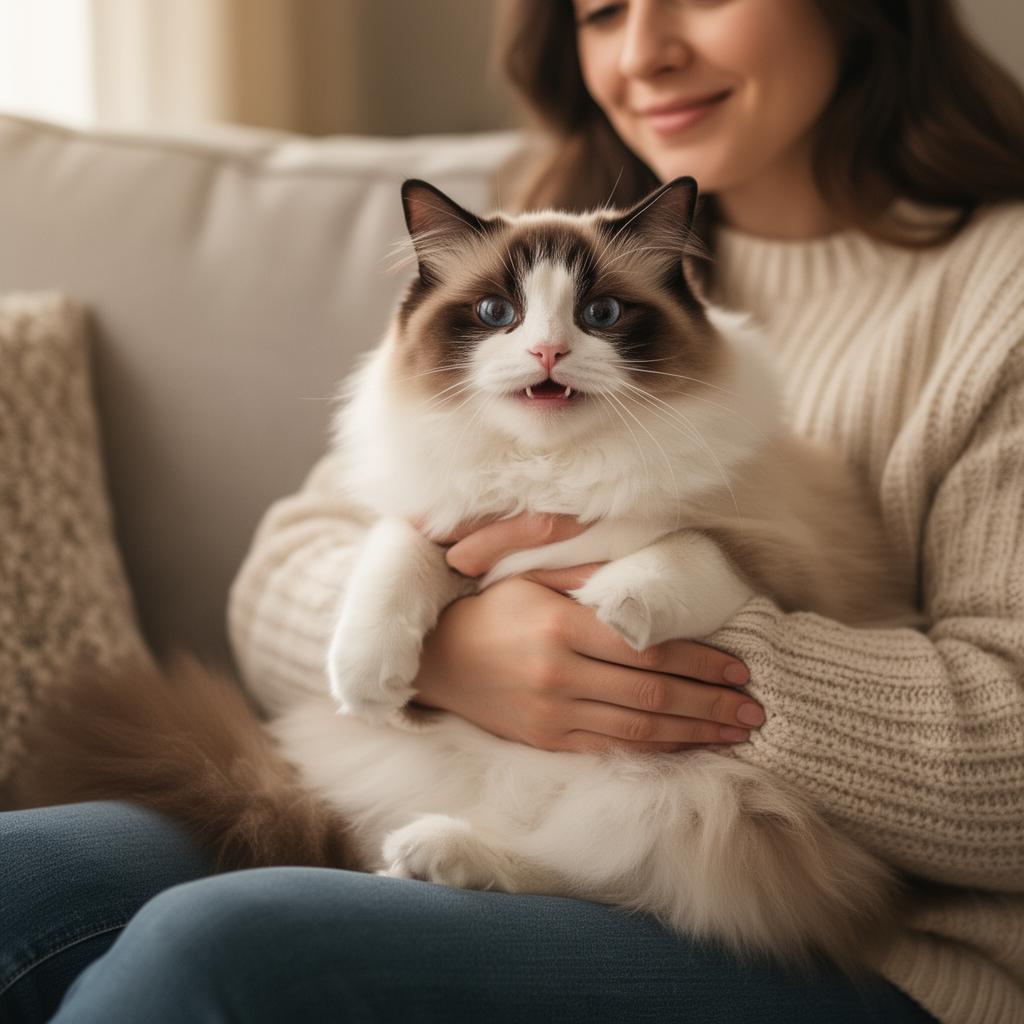
Ragdoll cats are the gentle giants of the feline world—known for going limp when picked up, hence their name. These stunning blue-eyed beauties with semi-long coats are beloved for their docile, puppy-like personalities. This guide covers everything you need to know about caring for a Ragdoll in Singapore.
Understanding the Ragdoll Cat
▸Origins and History
The Ragdoll breed has a fascinating origin:
- 1960s California: Bred by Ann Baker
- Foundation cat: A white longhaired cat named Josephine
- Selective breeding: For docile temperament and striking appearance
- Recognition: Accepted by major cat registries in the 1990s
▸Distinctive Characteristics
Ragdolls are instantly recognizable:
- Large size: One of the largest domestic cat breeds (4-9 kg)
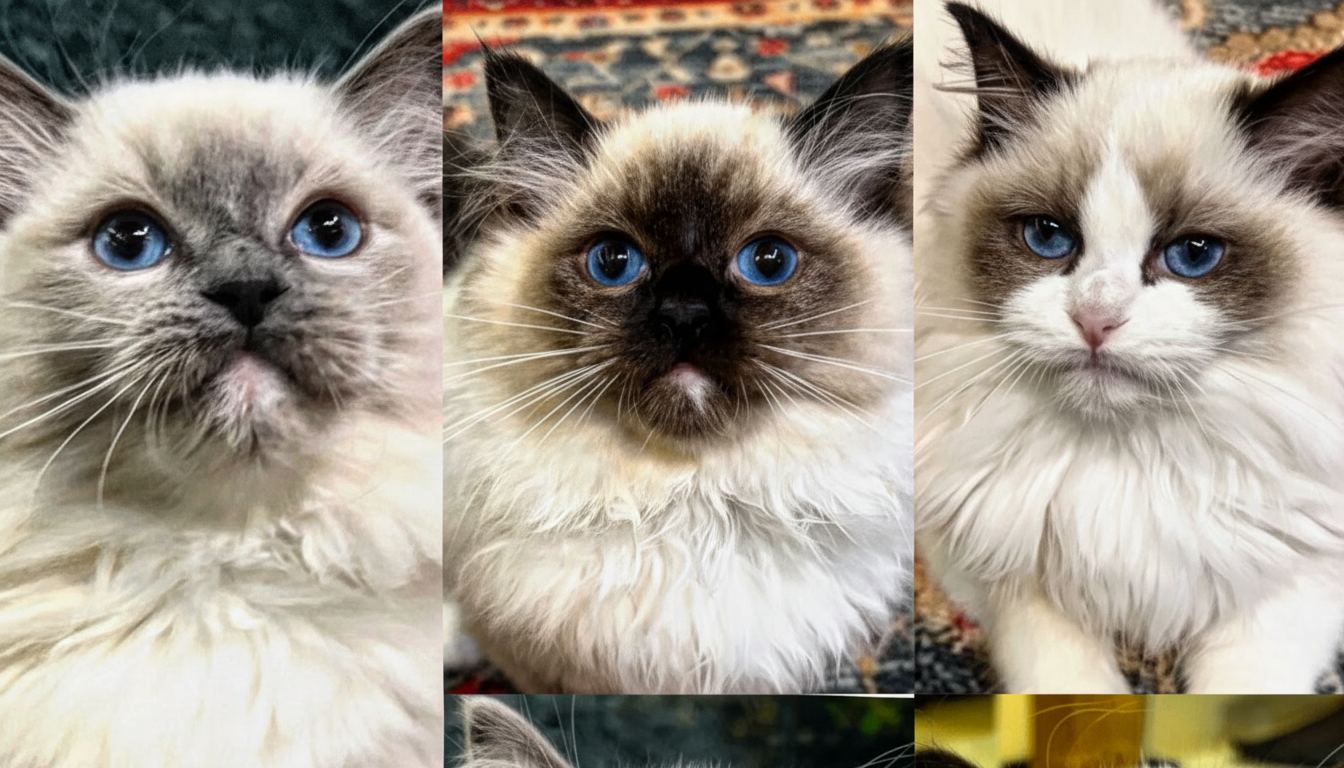
- Blue eyes: All purebred Ragdolls have blue eyes
- Semi-long coat: Silky, rabbit-like texture
- Pointed coloration: Color concentrated on extremities
- Slow maturation: Takes 3-4 years to reach full size
▸Color Patterns
Ragdolls come in several patterns:
- Colorpoint: No white, darker points on ears, face, paws, tail
- Mitted: White mittens on front paws, white boots on back
- Bicolor: Inverted V of white on face, white on legs and chest
- Colors: Seal, blue, chocolate, lilac, flame, cream
Personality and Temperament
▸The Classic Ragdoll Personality
Ragdolls are known for being:
- Extremely docile: Go limp when held ("floppy cats")
- Affectionate: Love being with their humans
- Gentle: Rarely use claws, even when playing
- Quiet: Soft, sweet voices
- Dog-like: Follow owners from room to room
▸Activity Levels
Moderate energy cats:
- Playful but not hyperactive
- Enjoy interactive toys
- Content to lounge near you
- Less climbing than other breeds
- Floor-level play preferred
▸Social Nature
Ragdolls thrive on companionship:
- Don't do well left alone for long periods
- Good with children (very patient)
- Usually accept other pets well
- May become depressed without attention
- Ideal for families or work-from-home owners
Nutrition for Ragdolls
▸Dietary Needs
Ragdolls require quality nutrition:
Protein Requirements
- High-quality animal protein (35-40%)
- Real meat as first ingredient
- Support for large muscular build
Special Considerations
- Slow metabolism compared to size
- Prone to weight gain
- May need joint support supplements
- Benefits from omega fatty acids for coat
▸Feeding Guidelines
| Age | Amount | Frequency |
|---|---|---|
| Kitten (8-12 weeks) | 1/4-1/3 cup | 4 times daily |
| Kitten (3-6 months) | 1/3-1/2 cup | 3 times daily |
| Junior (6-12 months) | 1/2-2/3 cup | 2-3 times daily |
| Adult (1-3 years) | Based on weight | 2 times daily |
| Adult (3+ years) | Controlled portions | 2 times daily |
▸Weight Management
Prevent obesity in Ragdolls:
- Monitor weight monthly
- Measure food precisely
- Limit treats to 10% of calories
- Encourage moderate play
- Regular vet weight checks
Grooming Your Ragdoll
▸Coat Care
That beautiful coat requires maintenance:
Brushing Routine
- Comb 2-3 times weekly minimum
- Daily during shedding seasons
- Use a steel comb or slicker brush
- Work through mats gently
Coat Characteristics
- Less prone to matting than Persians
- Lacks dense undercoat
- Sheds moderately year-round
- Heavier shedding in spring/fall
▸Bathing
Occasional baths help:
- Every 4-6 weeks recommended
- Use gentle cat shampoo
- Rinse thoroughly
- Dry completely (especially in AC)
- Many Ragdolls tolerate baths well
▸Eye and Ear Care
Maintain facial grooming:
- Wipe eyes daily to prevent staining
- Clean ears weekly
- Check for discharge or odor
- Use cat-safe cleaning solutions
▸Nail Care
Regular trimming needed:
- Every 2-3 weeks
- Start handling paws early
- Provide scratching posts
- Watch for overgrown dewclaws
Health Considerations
▸Breed-Specific Health Issues
Be aware of these conditions:
1. Hypertrophic Cardiomyopathy (HCM)
- Most serious Ragdoll health concern
- Genetic testing available (MyBPC3 mutation)
- Annual heart screening recommended
- Choose breeders who test
2. Polycystic Kidney Disease (PKD)
- Inherited kidney condition
- DNA testing available
- Less common than in Persians
- Ultrasound screening possible
3. Bladder Stones
- More prone to urinary issues
- Ensure adequate water intake
- Wet food can help prevent
- Monitor urination habits
4. Obesity
- Common due to laid-back nature
- Leads to joint and heart problems
- Preventable with proper feeding
▸Health in Singapore's Climate
Managing Ragdolls in tropical weather:
Heat Management
- Semi-long coat increases heat sensitivity
- Air conditioning essential
- Multiple water sources
- Cool resting areas
Humidity Concerns
- Can cause coat matting
- Regular grooming helps
- Watch for skin issues
- Keep coat clean and dry
▸Preventive Care Schedule
| Frequency | Care Item |
|---|---|
| Daily | Eye wipe, water check |
| 2-3x Weekly | Brushing |
| Bi-weekly | Nail trim |
| Monthly | Weight check, ear cleaning |
| Annually | Vet checkup, HCM screening |
Exercise and Enrichment
▸Physical Activity
Ragdolls need moderate exercise:
- 15-20 minutes active play daily
- Interactive toys (feather wands, balls)
- Encourage movement before meals
- Cat trees (prefer lower levels)
▸Mental Stimulation
Keep their minds engaged:
- Puzzle feeders
- Treat-dispensing toys
- Training sessions (they can learn tricks!)
- Window watching stations
- Rotating toy selection
▸Play Preferences
Ragdolls typically enjoy:
- Chasing toys on the ground
- Soft toys for carrying
- Interactive play with owners
- Fetch (many learn to retrieve!)
- Gentle wrestling with toys
Living with a Ragdoll
▸Ideal Home Environment
Ragdolls thrive in:
- Calm, stable households
- Homes with company during the day
- Families with gentle children
- Air-conditioned spaces
- Ground-level or low-perch environments
▸Indoor Only
Ragdolls should be indoor cats:
- Too trusting for outdoors
- Won't defend themselves well
- May not sense danger
- Attractive to potential thieves
- Catios can provide outdoor experience
▸Compatibility
Great matches:
- Families with children
- Seniors seeking companionship
- Work-from-home individuals
- Multi-cat households
May struggle with:
- Owners away all day
- Very active/loud households
- Rough-handling young children
- Aggressive pets
Bringing Home a Ragdoll
▸Choosing Your Kitten
Look for:
- HCM genetic testing in parents
- Health guarantee from breeder
- Well-socialized kittens
- Clean breeding environment
- Kittens at least 12 weeks old
▸Preparing Your Home
Set up before arrival:
- Low cat trees and perches
- Soft bedding areas
- Scratching posts
- Water fountains (they like them!)
- Litter box in quiet location
Conclusion
Ragdoll cats are exceptional companions that bring calm, affection, and beauty into your home. Their docile nature makes them perfect for families seeking a gentle, loving pet. With proper care, attention to their grooming needs, and regular health screenings, your Ragdoll will be a devoted companion for 15+ years.
Visit our Ragdoll page to see available kittens!
Continue Your Learning
Explore these related guides for more helpful information:
Breeds Mentioned in This Article
Learn more about these cat breeds featured in this guide:
Continue reading:
More about Ragdoll Cats in Singapore
This guide supports our main breed page, which covers temperament, care commitment and current availability in Singapore.
Visit the Ragdoll Cats pageReferences & Authoritative Sources
Written by our editorial team from the authoritative veterinary, government and registry sources listed below. For a concern about your own cat, please speak to a veterinarian.
- Animal & Veterinary Service (AVS), Singapore — Pet licensing & welfare standards
- WSAVA Vaccination Guidelines — Global feline vaccination protocol
- AAFP Feline Life Stage Guidelines — Veterinary care across life stages
- Cat Fanciers' Association (CFA) — Breed standards & registry
- The International Cat Association (TICA) — Breed standards & registry
- FIFe — Fédération Internationale Féline — International breed standards