Singapore's tropical climate creates unique health challenges for our feline friends. Understanding these common issues helps you keep your cat healthy and catch problems early.
Climate-Related Health Issues
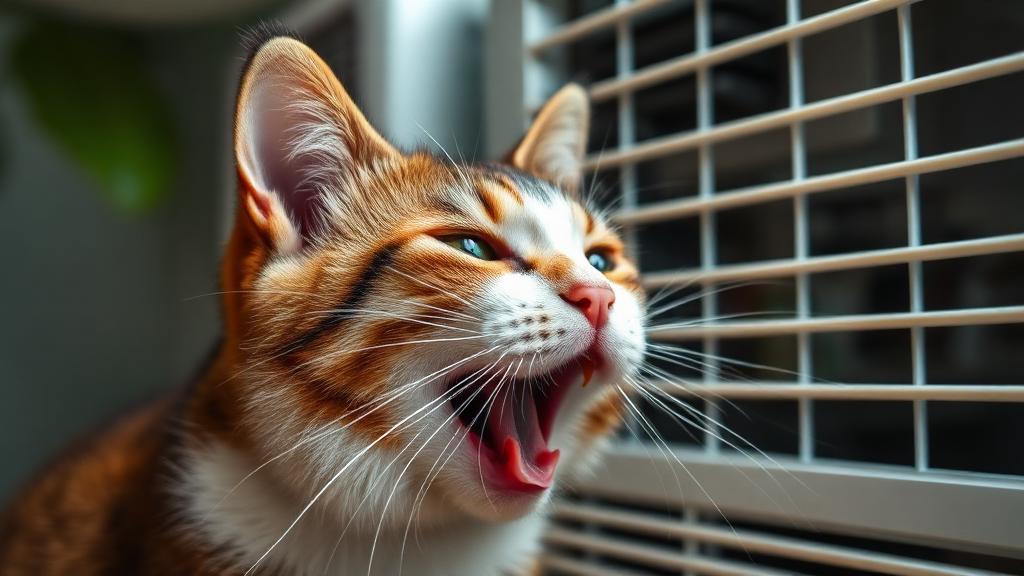
▸Heat Stress and Dehydration
Singapore's year-round heat poses risks for cats:
Signs of Heat Stress:
- Excessive panting
- Drooling
- Lethargy and weakness
- Rapid heartbeat
- Vomiting
Prevention:
- Ensure constant access to fresh, cool water
- Use water fountains to encourage drinking
- Keep home air-conditioned or well-ventilated
- Avoid outdoor exposure during peak heat (12pm-3pm)
- Feed moisture-rich diets like Raw Gourmet or Cooked Gourmet
▸Skin Conditions in Humid Climates
Singapore's humidity (80-90%) can cause:
Common Skin Issues:
- Fungal infections (ringworm)
- Hot spots
- Bacterial skin infections
- Excessive shedding
Prevention:
- Regular grooming and brushing
- Keep living areas clean and dry
- Ensure good ventilation
- Use dehumidifiers if needed
- Feed omega-rich foods like Sardine Raw Gourmet
Digestive Health Issues
▸Vomiting and Hairballs
Very common in Singapore cats due to year-round shedding:
Causes:
- Hairballs from grooming
- Dietary issues
- Eating too fast
- Food sensitivities
Solutions:
- Regular brushing to reduce ingested fur
- High-quality, species-appropriate diet
- Puzzle feeders for slower eating
- Adequate fiber intake
▸Diarrhea
Common Causes:
- Sudden diet changes
- Food sensitivities
- Parasites
- Stress
- Infections
When to See a Vet:
- Diarrhea lasting more than 24-48 hours
- Blood in stool
- Accompanied by vomiting
- Lethargy or loss of appetite
Urinary Tract Problems
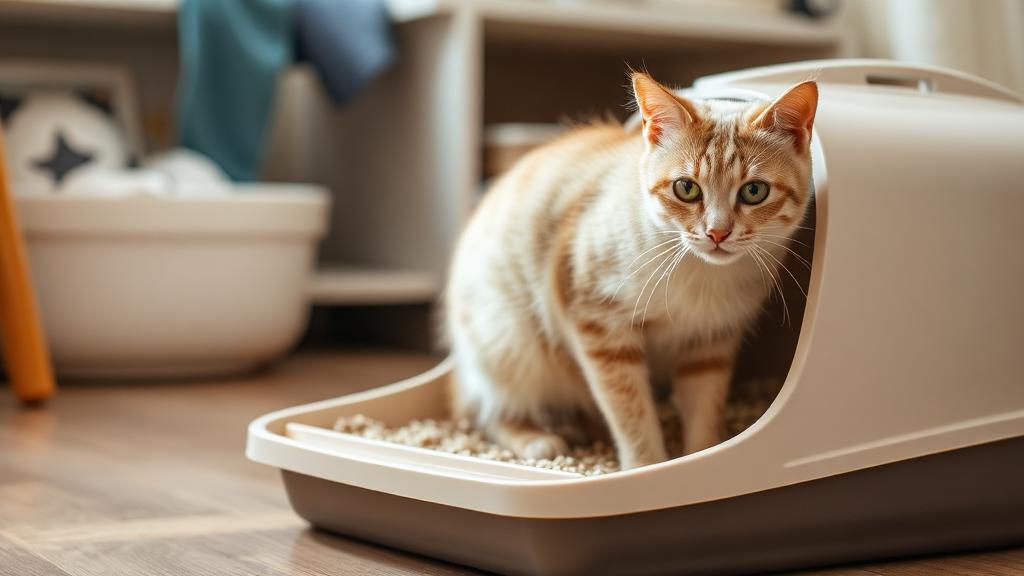
▸Feline Lower Urinary Tract Disease (FLUTD)
One of the most common and serious issues in Singapore cats:
Risk Factors:
- Dehydration (very common in hot climate)
- Dry food only diets
- Obesity
- Stress
- Sedentary lifestyle
Warning Signs:
- Straining to urinate
- Frequent trips to litter box
- Blood in urine
- Crying while urinating
- Urinating outside litter box
- Excessive licking of genital area
Prevention:
- Maximum hydration through wet/raw food
- Multiple water sources and fountains
- Stress reduction
- Regular playtime and exercise
- Maintain healthy weight
Emergency: Male cats unable to urinate is a life-threatening emergency. Seek immediate veterinary care.
▸Kidney Disease
More common in older cats but can affect younger cats too:
Prevention:
- Adequate hydration
- Quality protein diet
- Regular vet check-ups
- Monitor water intake and urination
Dental Disease
▸Periodontal Disease
Affects 70% of cats by age 3:
Signs:
- Bad breath
- Red, swollen gums
- Difficulty eating
- Drooling
- Dropping food
Prevention:
- Raw diets with bone content (natural teeth cleaning)
- Regular dental check-ups
- Professional cleanings when needed
- Dental treats and toys
Parasites Common in Singapore
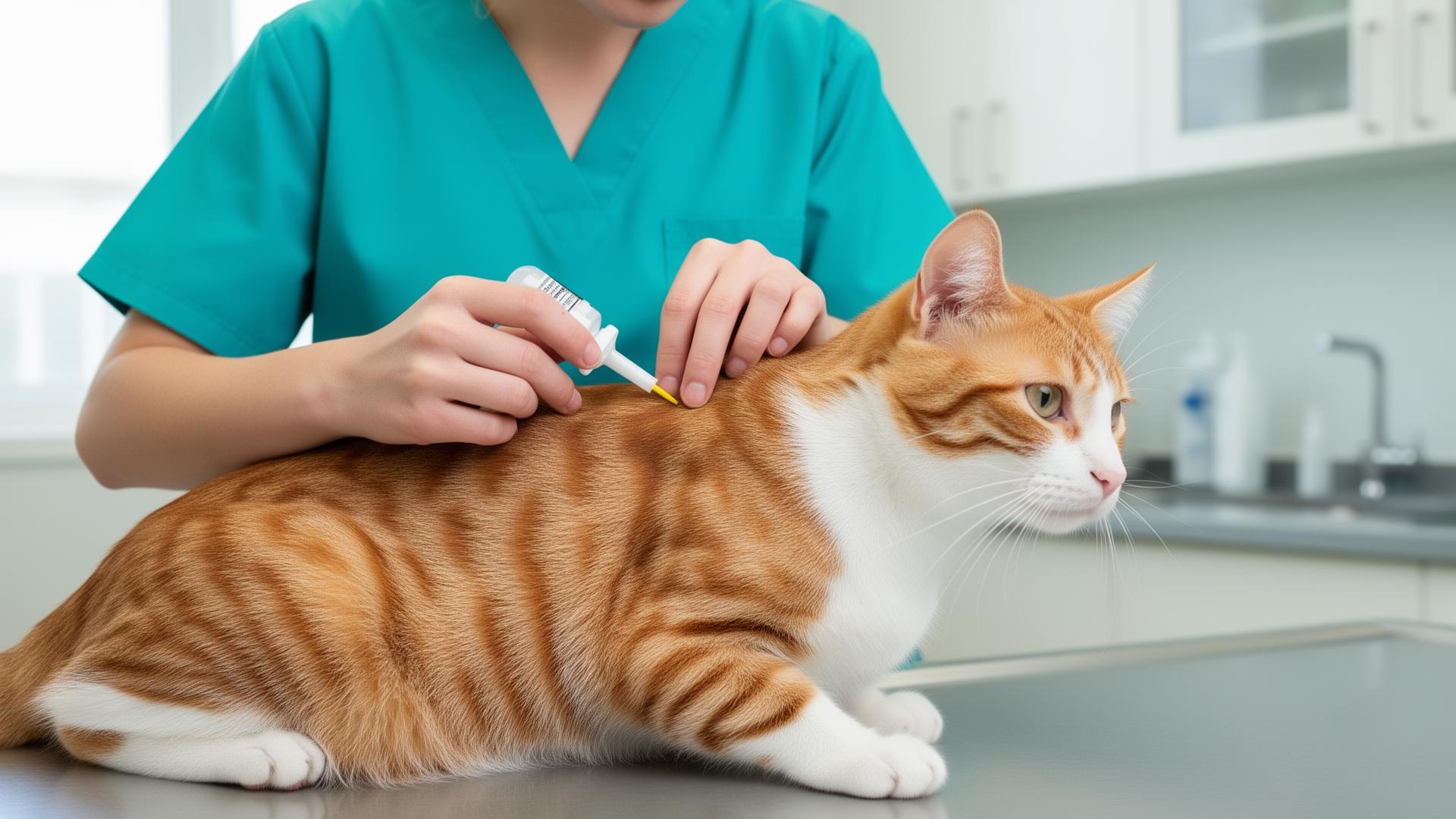
▸External Parasites
Fleas:
- Year-round problem in tropical climate
- Monthly prevention essential
- Treat all pets in household
Ticks:
- Common in grassy areas
- Can transmit diseases
- Regular checks after outdoor exposure
Ear Mites:
- Dark discharge in ears
- Excessive scratching
- Head shaking
▸Internal Parasites
Roundworms and Hookworms:
- Common in kittens
- Regular deworming essential
- Quarterly treatment for adult cats
Heartworm:
- Transmitted by mosquitoes
- Prevention through monthly medication
- Discuss with your vet
Respiratory Infections
▸Cat Flu
Common and highly contagious:
Symptoms:
- Sneezing
- Runny nose and eyes
- Fever
- Loss of appetite
- Mouth ulcers
Prevention:
- Vaccination (core vaccine)
- Good ventilation
- Stress reduction
- Strong immune system through nutrition
Related Reading: How to Boost Your Cat's Immunity
Obesity
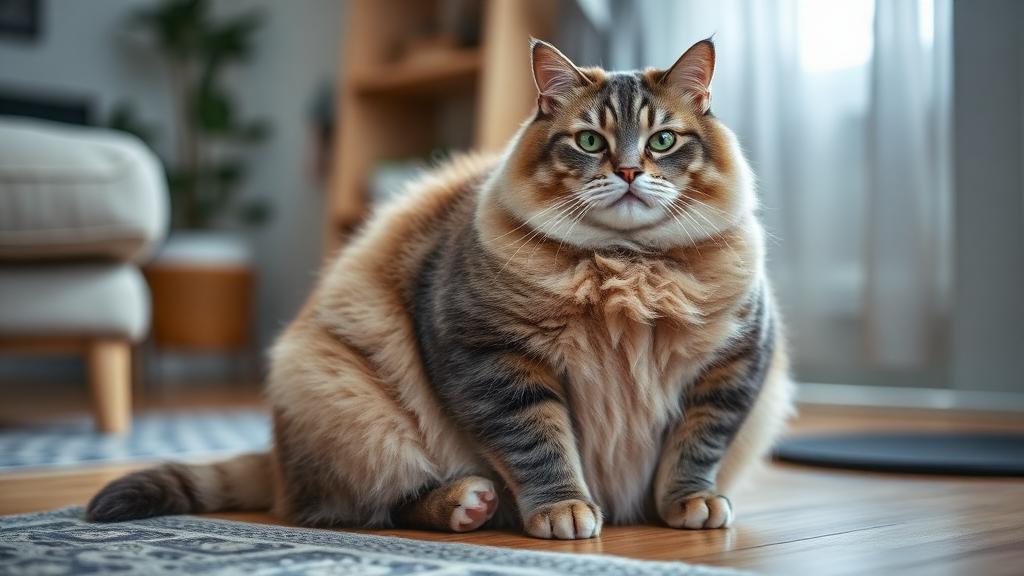
▸The Growing Problem
Over 50% of cats in developed countries are overweight:
Singapore-Specific Risks:
- Indoor lifestyle in HDB flats
- Less exercise opportunity
- Overfeeding
- High-carbohydrate diets
Health Consequences:
- Diabetes
- Arthritis
- Heart disease
- Shorter lifespan
- Urinary problems
Prevention:
- Portion control
- Low-carbohydrate diet (raw or fresh food)
- Daily interactive play
- Food puzzles and activity feeders
- Regular weight monitoring
Eye Problems
▸Common Issues
Conjunctivitis:
- Red, watery eyes
- Discharge
- Often secondary to cat flu
Corneal Ulcers:
- Squinting
- Cloudiness in eye
- Pawing at eye
When to See Vet:
- Any eye injury
- Sudden vision changes
- Persistent discharge
- Cloudiness or color change
Creating a Health Prevention Plan
▸Daily Health Checks
Take 2 minutes each day to observe:
- Energy levels and behavior
- Eating and drinking habits
- Litter box output
- Coat condition
- Eyes, ears, nose
▸Monthly Tasks
- Parasite prevention treatments
- Weight check
- Dental inspection
- Ear cleaning if needed
▸Annual Veterinary Care
- Comprehensive physical exam
- Vaccination updates
- Blood work (especially for cats 7+)
- Dental cleaning if needed
When to See the Vet Immediately
Emergency Signs:
- Difficulty breathing
- Unable to urinate (especially male cats)
- Seizures
- Severe bleeding
- Unconsciousness
- Ingestion of toxins
- Severe trauma
Urgent Care (Within 24 Hours):
- Vomiting or diarrhea lasting more than a day
- Not eating for 24+ hours
- Limping or signs of pain
- Unusual behavior changes
- Eye injuries
Conclusion
Prevention is always better than treatment. By understanding the common health issues facing cats in Singapore, you can take proactive steps to keep your feline friend healthy.
Key Prevention Strategies:
- Feed a species-appropriate, moisture-rich diet
- Ensure maximum hydration
- Maintain regular veterinary care
- Keep up with parasite prevention
- Provide exercise and mental stimulation
At Designer Cats, all our kittens come with health guarantees and we provide ongoing support for your cat's health journey. Contact us at 8870 0666 or WhatsApp 8870 0666 for advice!
Related Reading:
Continue Your Learning
Explore these related guides for more helpful information:
Related Guides You'll Love
Continue reading:
Continue in the Cat Health guide
This article is one chapter of a larger Singapore guide. The hub links every related chapter in reading order.
Open the Cat Health hub- Cat vaccination guideCore vaccines and the schedule from kitten to adult.
- Sterilisation: spay and neuterTiming, recovery and behavioural effects.
- Cat dental carePreventing the dental disease most indoor cats develop.
- Weight managementBody condition scoring and safe weight loss.
- How to detect illness earlyBehavioural and physical warning signs.
- Supporting immunityDiet, stress and routine factors that affect resilience.
References & Authoritative Sources
Written by our editorial team from the authoritative veterinary, government and registry sources listed below. For a concern about your own cat, please speak to a veterinarian.
- Animal & Veterinary Service (AVS), Singapore — Pet licensing & welfare standards
- WSAVA Vaccination Guidelines — Global feline vaccination protocol
- AAFP Feline Life Stage Guidelines — Veterinary care across life stages
- Cat Fanciers' Association (CFA) — Breed standards & registry
- The International Cat Association (TICA) — Breed standards & registry
- FIFe — Fédération Internationale Féline — International breed standards