
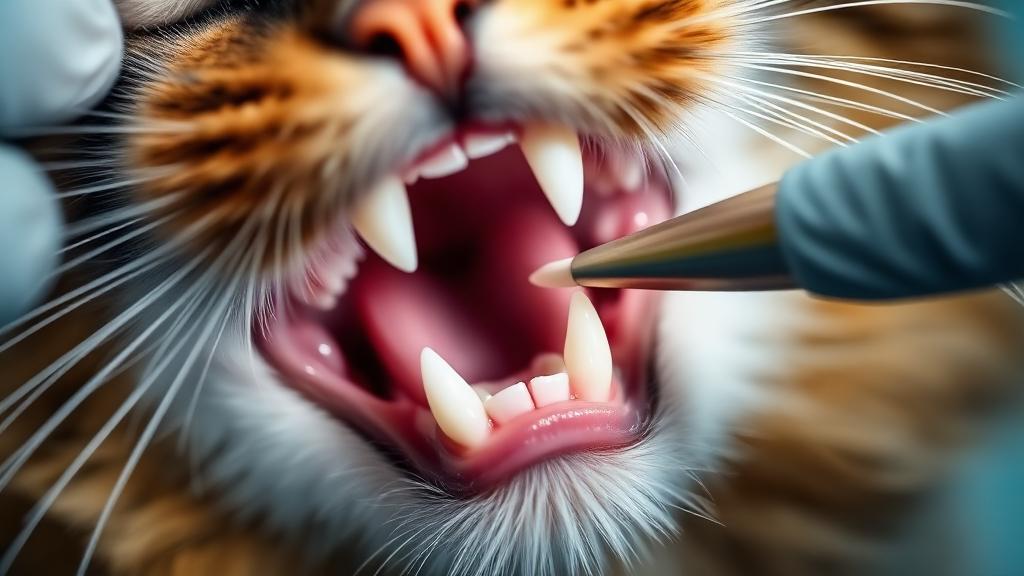
Dental health is often overlooked by cat owners, yet dental disease affects over 70% of cats by age three. Good oral care can add years to your cat's life and prevent painful conditions.
Why Dental Health Matters

▸The Hidden Problem
Cats instinctively hide pain, making dental issues hard to detect:
- 70% of cats over 3 have dental disease
- Cats rarely show obvious signs until severe
- Bacteria from dental disease affects heart, kidneys, liver
- Pain affects eating, behavior, and quality of life
▸Common Dental Problems in Cats
Periodontal Disease
The most common dental issue:
- Stage 1: Gingivitis (red gums, reversible)
- Stage 2: Early periodontitis
- Stage 3: Moderate periodontitis
- Stage 4: Advanced disease, tooth loss likely
Tooth Resorption
Affects 30-70% of cats:
- Painful erosion of tooth structure
- Cause unknown
- Often requires extraction
- Can affect any tooth
Stomatitis
Severe inflammation:
- Intensely painful
- Difficulty eating
- May require multiple extractions
- Often immune-mediated
Fractured Teeth
From trauma or hard foods:
- May expose pulp (nerve)
- Painful without treatment
- Requires extraction or root canal
Signs of Dental Problems
▸Behavioral Changes
- Reluctance to eat
- Preferring soft food
- Dropping food while eating
- Pawing at mouth
- Head shaking
- Reduced grooming
▸Physical Signs
- Bad breath (halitosis)
- Red, swollen, or bleeding gums
- Visible tartar (yellow/brown buildup)
- Drooling
- Weight loss
- Facial swelling
▸When to See a Vet Immediately
- Sudden refusal to eat
- Blood in saliva
- Facial swelling
- Signs of severe pain
Prevention: Home Dental Care
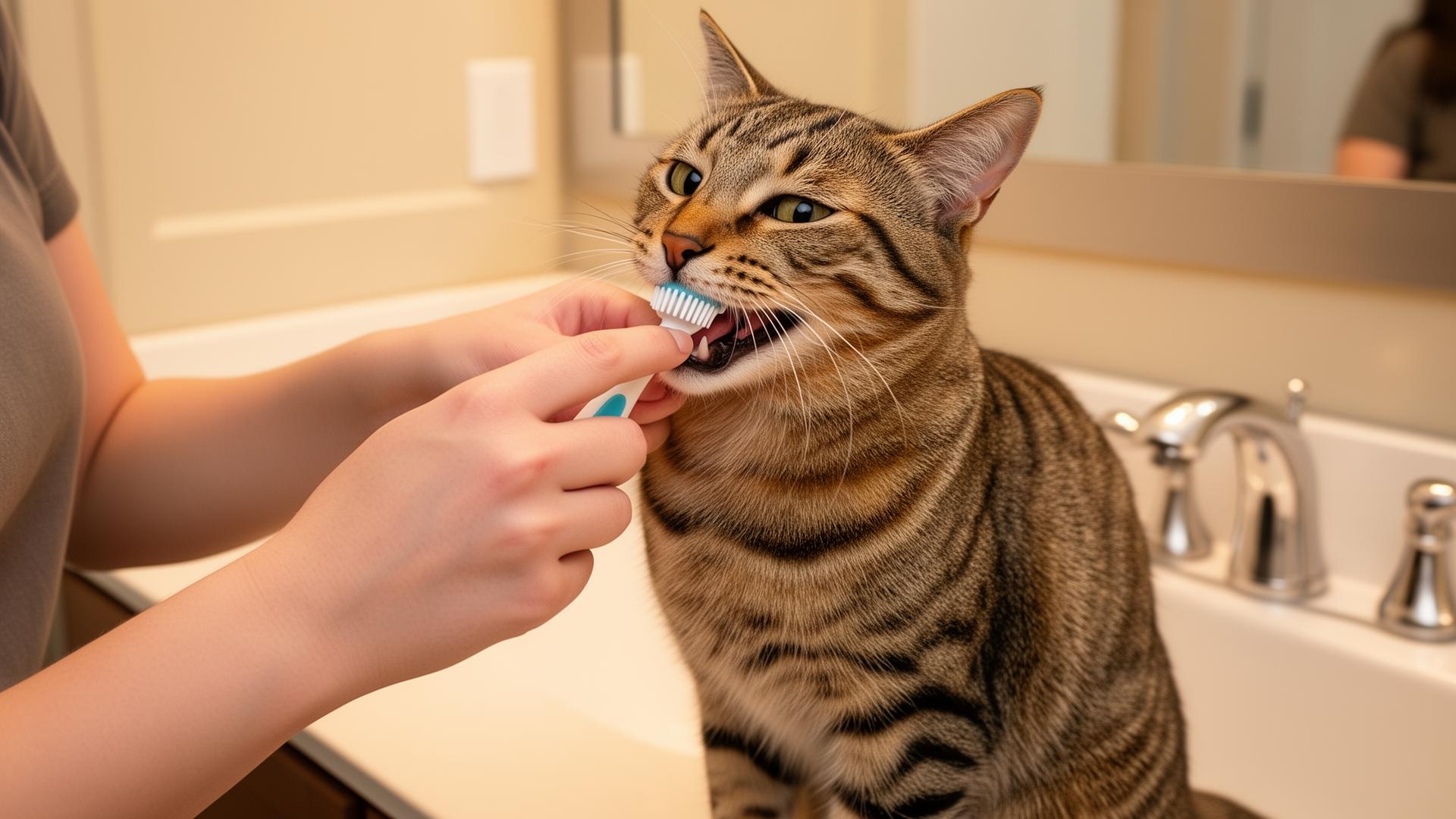
▸Daily Brushing (Gold Standard)
Getting Started:
- Introduce gradually over 2-4 weeks
- Let cat taste pet-safe toothpaste first
- Rub gums with finger
- Introduce cat toothbrush slowly
- Focus on outside surfaces of teeth
Tips for Success:
- Use ONLY pet-safe toothpaste (human toothpaste is toxic)
- Make it a positive experience with treats
- Be patient - consistency matters more than perfection
- Even 30 seconds daily helps
▸Diet for Dental Health
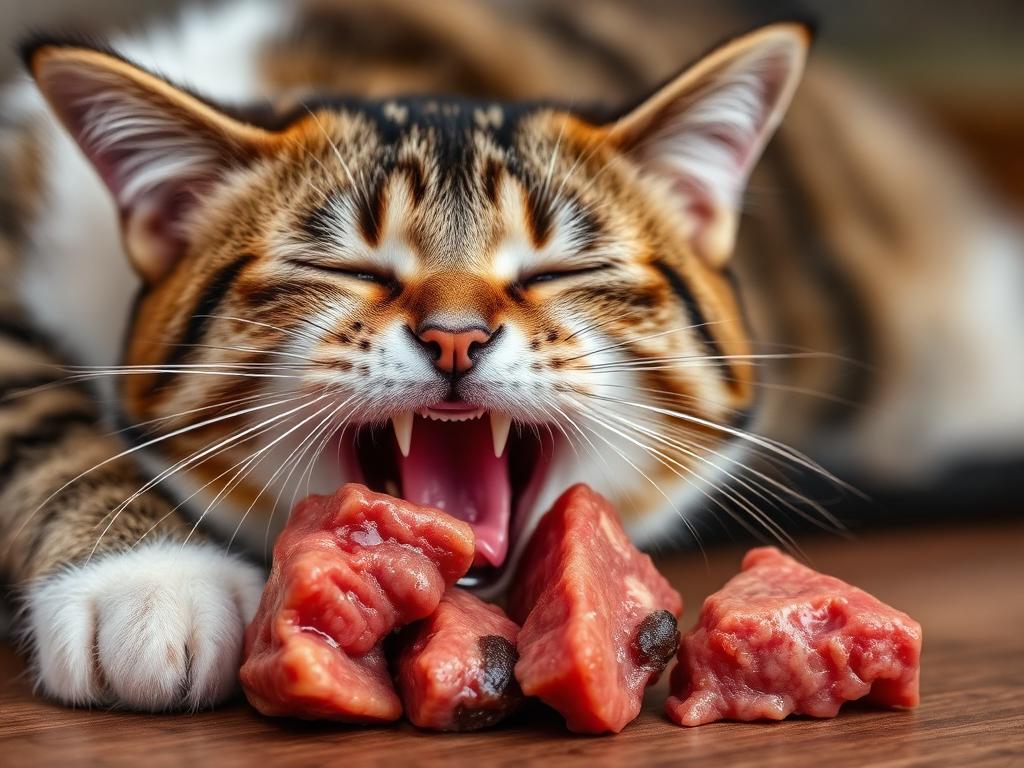
Raw Food Benefits:
Raw diets like Raw Gourmet naturally support dental health:
- Chewing raw meat helps clean teeth
- Ground bone provides gentle abrasion
- No sticky carbohydrates to promote plaque
- Natural enzymes in raw food
Why Kibble Doesn't Clean Teeth:
Common myth debunked:
- Kibble shatters on biting
- Doesn't scrape teeth effectively
- High carbohydrate content feeds bacteria
- Sticks in teeth and promotes plaque
Dental Treats:
Use as supplement, not replacement for brushing:
- VOHC-approved products are tested
- Give according to package directions
- Monitor calorie intake
▸Dental Chews and Toys
Effective Options:
- Dental toys designed for cats
- Raw bones (supervised only)
- Textured treats
- Freeze-dried meat treats
Caution:
- Avoid cooked bones (splinter)
- Supervise chewing always
- Choose appropriate size
- Remove if damaged
▸Water Additives
Considerations:
- Some cats dislike the taste
- May reduce water intake
- Less effective than brushing
- Best as supplementary measure
Professional Dental Care
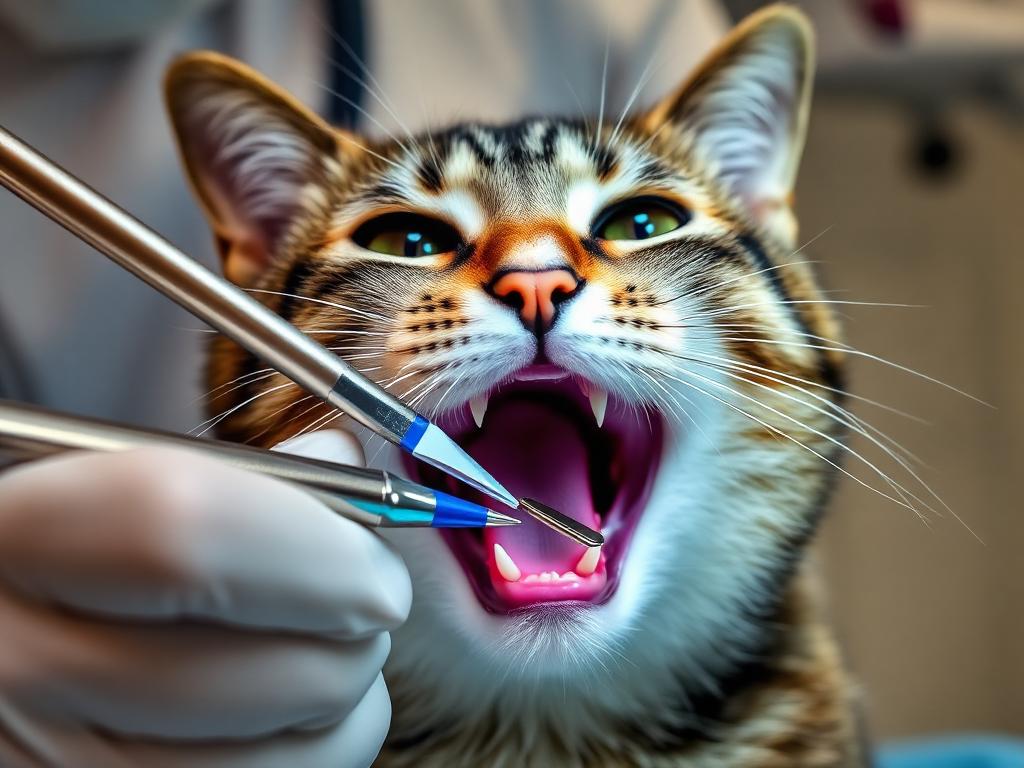
▸Annual Dental Exams
What to expect:
- Visual examination
- Check for loose teeth
- Assess gum health
- Recommend professional cleaning if needed
▸Professional Dental Cleaning
What's Involved:
- General anesthesia required
- Full examination under anesthesia
- Scaling and polishing
- X-rays to check roots
- Extractions if needed
Typical Costs in Singapore (2026):
- Basic cleaning: $250-500
- With extractions: $500-1,500+
- Complex cases: Higher
Recovery:
- Usually go home same day
- Soft food for a few days
- Pain medication if extractions done
- Follow-up care instructions
▸Why Anesthesia is Necessary
Safe and essential because:
- Allows thorough examination
- Proper scaling below gumline
- X-rays require stillness
- Prevents stress and injury
- Modern anesthesia is very safe
Pre-anesthetic blood work recommended for:
- Cats over 7 years
- Cats with health conditions
- Any cat for baseline safety
Age-Specific Dental Care
▸Kittens (0-1 year)
- Check for proper tooth eruption
- Get them used to mouth handling
- Start brushing early
- Baby teeth fall out around 4-6 months
▸Adult Cats (1-7 years)
- Establish brushing routine
- Annual dental exams
- Professional cleaning when needed
- Monitor for tooth resorption
▸Senior Cats (7+ years)
- More frequent dental exams
- May need more professional care
- Watch for tooth loss
- Adjust diet as needed
Nutrition and Dental Health Connection
▸Foods That Help
Raw Meat:
- Natural chewing action
- No carbohydrates to feed bacteria
- Enzymes support oral health
- Ground bone for gentle cleaning
Explore our Raw Gourmet and Cooked Gourmet ranges for species-appropriate nutrition that supports dental health.
Dental Support Nutrients:
- Vitamin C (gum health)
- Omega-3s (reduce inflammation)
- Antioxidants
- Adequate protein
▸Foods That Harm
- High-carbohydrate diets
- Sticky treats
- Sugary foods (rare in cat food)
- Poor-quality ingredients
Creating a Dental Care Routine
▸Daily (Ideal)
- Brush teeth (even briefly)
- Check for obvious problems
- Provide appropriate chews
▸Weekly
- Thorough mouth inspection
- Note any changes
- Clean food/water bowls
▸Annually
- Professional veterinary dental exam
- Professional cleaning if recommended
- Update dental care plan
Signs Your Cat Needs Professional Help
Schedule a vet visit if you notice:
- Persistent bad breath
- Red or bleeding gums
- Visible tartar buildup
- Changes in eating habits
- Drooling
- Loose teeth
- Facial swelling
Emergency signs:
- Inability to eat
- Blood in mouth
- Severe pain signs
- Facial swelling with fever
Conclusion
Dental care is a vital but often neglected aspect of cat health. By establishing good home care habits and working with your veterinarian, you can prevent painful dental disease and help your cat live a longer, healthier life.
Key Prevention Strategies:
- Introduce tooth brushing early
- Feed a species-appropriate diet (raw or fresh)
- Provide appropriate dental chews
- Schedule annual dental exams
- Don't wait for obvious signs - prevent!
At Designer Cats, we care about your cat's long-term health. Contact us at 8870 0666 or WhatsApp 8870 0666 for nutrition advice that supports dental health!
Related Reading:
Continue Your Learning
Explore these related guides for more helpful information:
Related Guides You'll Love
Continue reading:
Continue in the Cat Health guide
This article is one chapter of a larger Singapore guide. The hub links every related chapter in reading order.
Open the Cat Health hub- Cat vaccination guideCore vaccines and the schedule from kitten to adult.
- Sterilisation: spay and neuterTiming, recovery and behavioural effects.
- Weight managementBody condition scoring and safe weight loss.
- Common cat health problemsThe conditions Singapore vets see most often.
- How to detect illness earlyBehavioural and physical warning signs.
- Supporting immunityDiet, stress and routine factors that affect resilience.
References & Authoritative Sources
Written by our editorial team from the authoritative veterinary, government and registry sources listed below. For a concern about your own cat, please speak to a veterinarian.
- Animal & Veterinary Service (AVS), Singapore — Pet licensing & welfare standards
- WSAVA Vaccination Guidelines — Global feline vaccination protocol
- AAFP Feline Life Stage Guidelines — Veterinary care across life stages
- Cat Fanciers' Association (CFA) — Breed standards & registry
- The International Cat Association (TICA) — Breed standards & registry
- FIFe — Fédération Internationale Féline — International breed standards