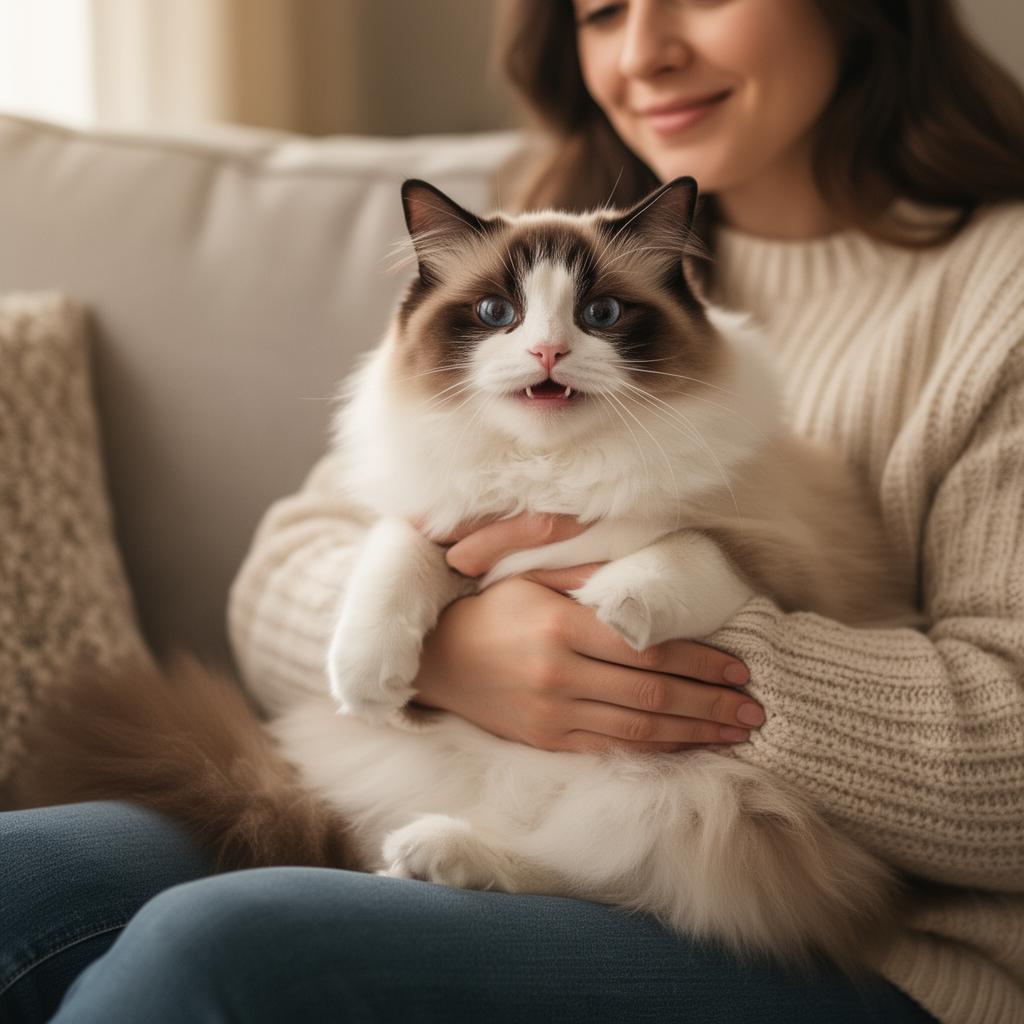
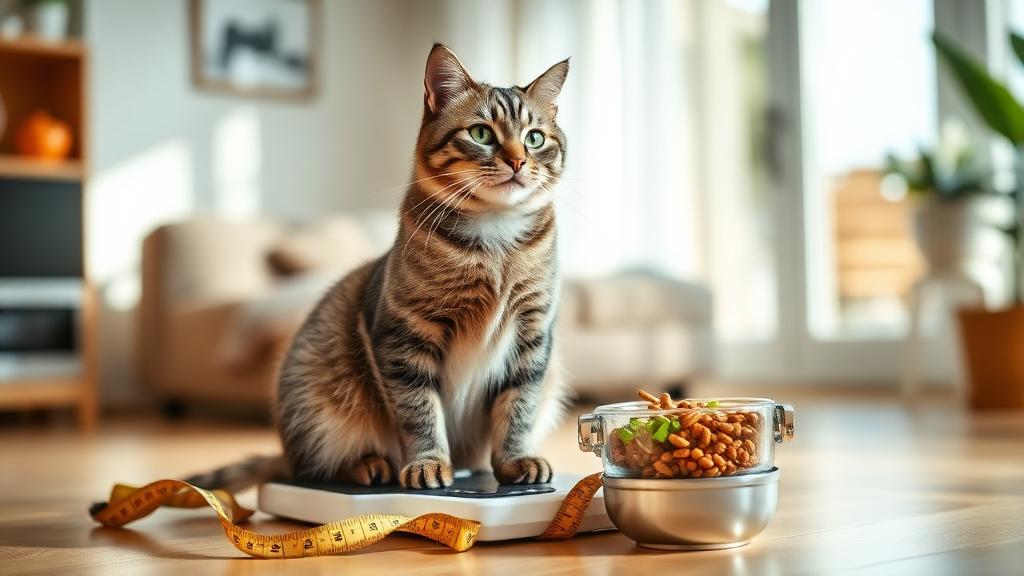
Over 50% of cats in developed countries are overweight or obese. In Singapore's indoor-focused cat culture, this number may be even higher. Excess weight significantly impacts your cat's health and lifespan.
Understanding Cat Weight
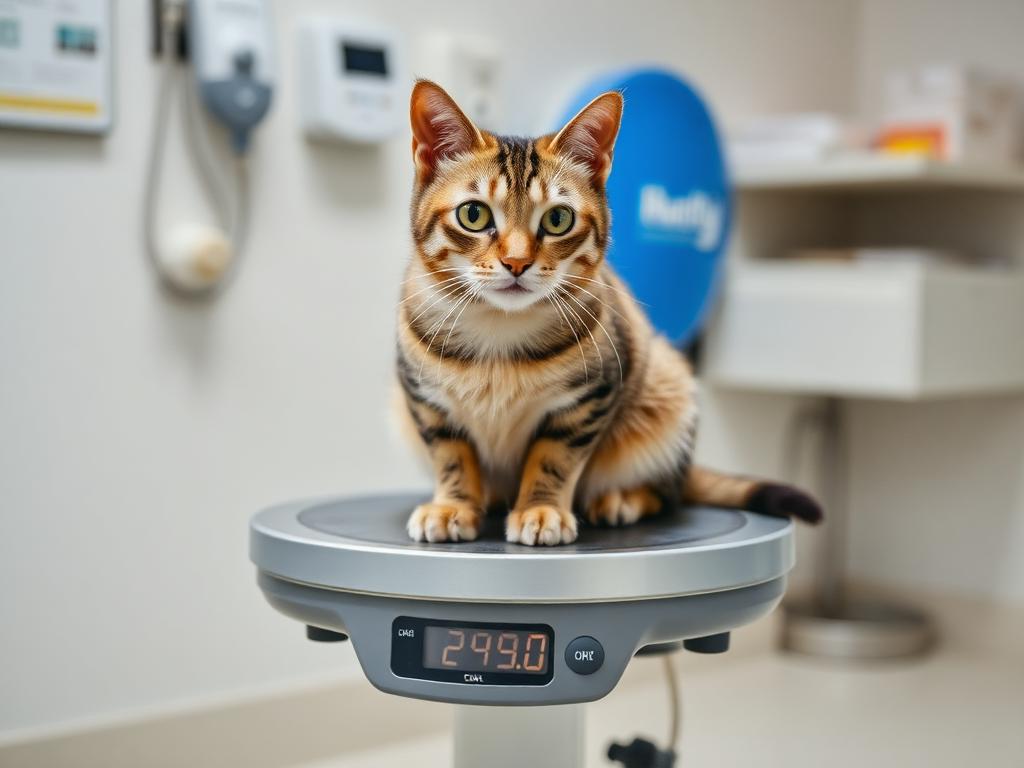
▸Why Weight Matters
Excess weight leads to:
- Diabetes mellitus (4x higher risk)
- Arthritis and joint problems
- Heart disease
- Urinary tract problems
- Shortened lifespan (up to 2.5 years less)
- Reduced quality of life
- Difficulty grooming
- Heat intolerance (critical in Singapore)
▸Ideal Weight by Body Type
General Guidelines:
- Average domestic cat: 3.5-5.5 kg
- Small breeds: 2.5-4 kg
- Large breeds (Maine Coon): 5.5-11 kg
Body Condition Score (BCS):
Use a 1-9 scale:
- 1-3: Underweight
- 4-5: Ideal
- 6-7: Overweight
- 8-9: Obese
▸The Rib Test
Feel your cat's ribs:
- Ideal: Ribs easily felt with thin fat covering
- Overweight: Ribs hard to feel, thick fat layer
- Obese: Cannot feel ribs at all
▸The Overhead View
Look at your cat from above:
- Ideal: Visible waist behind ribs
- Overweight: No waist visible, oval shape
- Obese: Bulging sides, very rounded
Causes of Weight Gain
▸Overfeeding
The #1 cause:
- Free-feeding (food always available)
- Too many treats
- Portion sizes too large
- Multiple people feeding
▸High-Carbohydrate Diets
Cats are obligate carnivores:
- Kibble often 30-50% carbohydrates
- Carbs converted to fat easily
- Low satiety (cat stays hungry)
- Disrupts natural metabolism
▸Lack of Exercise
Singapore factors:
- Indoor-only lifestyle
- Small living spaces
- Owner work schedules
- Lack of enrichment
▸Medical Conditions
Sometimes weight gain indicates:
- Hypothyroidism
- Cushing's disease
- Certain medications
- Post-sterilisation changes
Related Reading: Cat Sterilisation Guide
Weight Loss Strategies
▸Step 1: Veterinary Check-Up
Before starting any diet:
- Rule out medical causes
- Get accurate current weight
- Set realistic goal weight
- Discuss safe weight loss rate
Safe Weight Loss: 1-2% body weight per week maximum
▸Step 2: Calculate Proper Portions
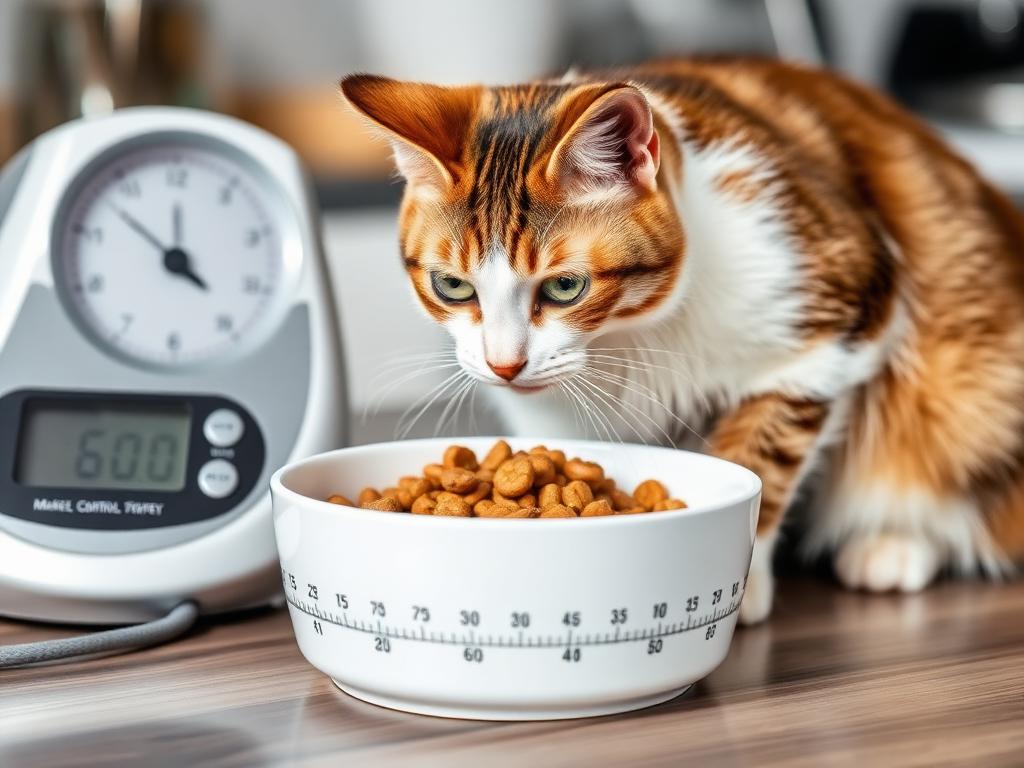
Resting Energy Requirement (RER):
RER = 70 × (ideal body weight in kg)^0.75
Daily Calories for Weight Loss:
Approximately 60-70% of RER for ideal weight
Example:
- Current weight: 7 kg
- Ideal weight: 5 kg
- RER for 5 kg: ~250 calories
- Weight loss calories: ~175 calories/day
▸Step 3: Switch to Low-Carb Diet
Best diet for weight loss:
Raw Food:
Our Raw Gourmet range offers:
- 0-5% carbohydrates
- High protein for muscle maintenance
- High moisture for satiety
- Species-appropriate nutrition
Fresh Cooked:
Cooked Gourmet provides:
- Low carbohydrate content
- Easier transition from kibble
- Complete nutrition
Protein Options:
▸Step 4: Scheduled Meals
Switch from free-feeding:
- 2-3 meals per day
- Measured portions
- Remove uneaten food after 20 minutes
- No snacking between meals
▸Step 5: Increase Activity
Daily Play Sessions:

- Minimum 15-30 minutes
- Interactive toys (wand, laser)
- Rotate toys for interest
- Split into multiple sessions
Environmental Enrichment:
- Cat trees and climbing spaces
- Window perches
- Puzzle feeders
- Hiding spots
Food-Based Activities:
- Puzzle feeders for meals
- Hide kibble/treats for hunting
- Slow feeder bowls
▸Step 6: Healthy Treats
If treats are necessary:
- Limit to 10% of daily calories
- Use freeze-dried meat
- Tiny portions of raw meat
- Avoid carb-heavy treats
Best Low-Cal Treats:
- Freeze-dried chicken pieces
- Small raw meat cubes
- Cooked egg bits
Common Weight Loss Mistakes
▸Crash Dieting
Never do this:
- Causes hepatic lipidosis (fatty liver)
- Can be fatal in cats
- Gradual reduction only
▸Feeding "Diet" Kibble
Problems:
- Still high in carbohydrates
- Low satiety
- Cat remains hungry
- Often doesn't work
▸Ignoring Hunger Signs
Sudden severe restriction causes:
- Behavioral problems
- Begging
- Counter surfing
- Eating non-food items
▸Not Measuring Food
Guessing portions leads to:
- Inconsistent intake
- Slow or no progress
- Frustration
Multi-Cat Households
▸Separate Feeding
- Feed in different rooms
- Use microchip feeders
- Supervise mealtimes
- Remove bowls after eating
▸Prevent Food Stealing
- Timed feeders for thin cats
- Elevated feeding stations
- Close doors during meals
Monitoring Progress
▸Weekly Weigh-Ins
- Same scale, same time
- Before morning meal
- Record in a log
- Note body condition
▸Monthly Assessments
- Body condition scoring
- Photograph from above and side
- Adjust portions if needed
- Celebrate small wins!
▸When to Adjust
Losing too fast (>2%/week):
- Increase portions slightly
- Add healthy fats
Not losing:
- Reduce portions 10%
- Increase activity
- Check for sneaky feeding
Maintaining Ideal Weight
Once goal is reached:
- Slowly increase to maintenance calories
- Continue measured portions
- Keep up exercise routine
- Monthly weight checks
- Adjust seasonally
Weight and Singapore Climate
▸Heat Considerations
Overweight cats struggle more with:
- Temperature regulation
- Panting and overheating
- Activity during hot periods
- Recovery from heat stress
▸Indoor Lifestyle
Make the most of indoor space:
- Vertical space (cat trees)
- Interactive toys
- Air-conditioned play sessions
- Evening activity when cooler
Conclusion
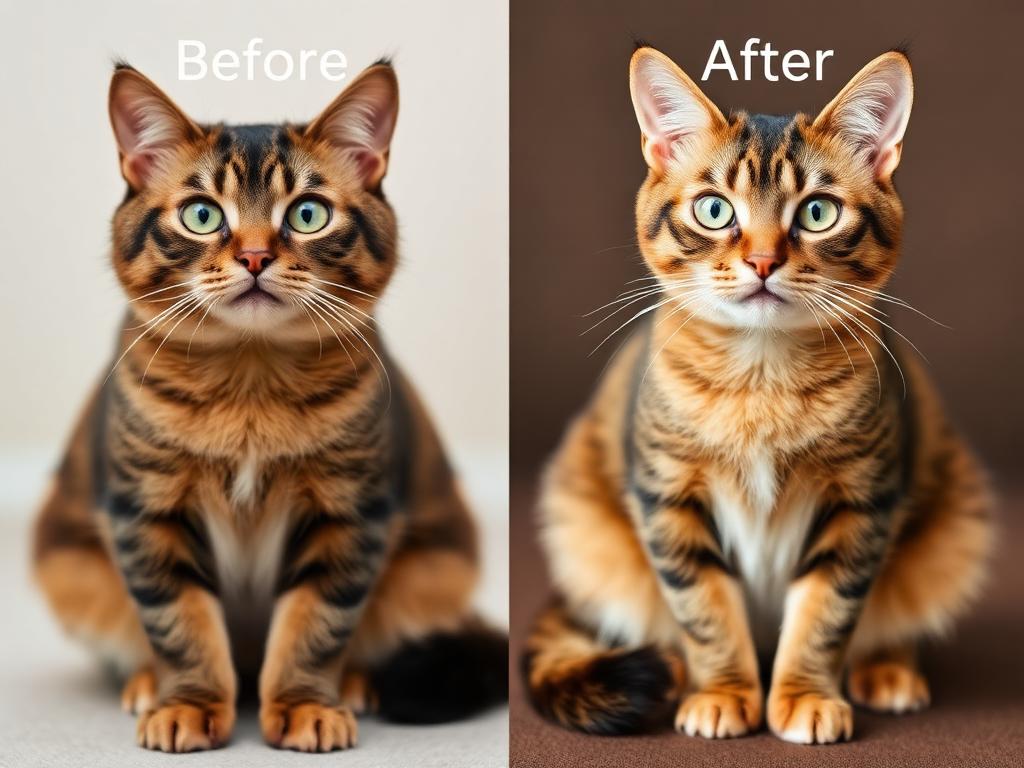
Weight management is one of the most important things you can do for your cat's health. With proper diet, portion control, and increased activity, most cats can achieve and maintain a healthy weight.
Key Takeaways:
- Most cats are overweight - check yours today
- Low-carb, species-appropriate diet is essential
- Measure portions - don't guess
- Increase activity with daily play
- Lose weight gradually - never crash diet
At Designer Cats, we provide nutrition guidance for all our kitten buyers. Contact us at 8870 0666 or WhatsApp 8870 0666 for diet advice!
Related Reading:
Continue Your Learning
Explore these related guides for more helpful information:
Related Guides You'll Love
Continue reading:
Continue in the Cat Health guide
This article is one chapter of a larger Singapore guide. The hub links every related chapter in reading order.
Open the Cat Health hub- Cat vaccination guideCore vaccines and the schedule from kitten to adult.
- Sterilisation: spay and neuterTiming, recovery and behavioural effects.
- Cat dental carePreventing the dental disease most indoor cats develop.
- Common cat health problemsThe conditions Singapore vets see most often.
- How to detect illness earlyBehavioural and physical warning signs.
- Supporting immunityDiet, stress and routine factors that affect resilience.
References & Authoritative Sources
Written by our editorial team from the authoritative veterinary, government and registry sources listed below. For a concern about your own cat, please speak to a veterinarian.
- Animal & Veterinary Service (AVS), Singapore — Pet licensing & welfare standards
- WSAVA Vaccination Guidelines — Global feline vaccination protocol
- AAFP Feline Life Stage Guidelines — Veterinary care across life stages
- Cat Fanciers' Association (CFA) — Breed standards & registry
- The International Cat Association (TICA) — Breed standards & registry
- FIFe — Fédération Internationale Féline — International breed standards