Sterilisation is one of the most responsible decisions you can make for your cat. In Singapore, it's also increasingly becoming a requirement. This comprehensive guide covers everything you need to know.
Understanding Sterilisation
▸Terminology
Spaying (Females):
- Ovariohysterectomy: Removal of ovaries and uterus
- Ovariectomy: Removal of ovaries only
- Prevents pregnancy and heat cycles
Neutering (Males):
- Castration: Removal of testicles
- Prevents reproduction
- Reduces testosterone-driven behaviors
▸Why Sterilise?
Health Benefits for Females:
- Eliminates risk of uterine infections (pyometra)
- Greatly reduces mammary cancer risk (if done early)
- No risk of ovarian or uterine cancer
- No pregnancy-related complications
- Eliminates heat cycle stress
Health Benefits for Males:
- Eliminates testicular cancer risk
- Reduces prostate problems
- Decreases roaming urge
- Reduces fighting injuries
- Decreases spraying behavior
Community Benefits:
- Reduces stray cat population
- Decreases shelter burden
- Prevents unwanted litters
- Reduces noise from mating calls
Singapore Requirements
▸Cat Licensing Requirements
Under Singapore's new cat licensing framework:
- All pet cats must be licensed with AVS (compulsory since 1 September 2026)
- Sterilisation is strongly encouraged
- Discounted license fees for sterilised cats
- AVS promotes responsible pet ownership
▸HDB Guidelines
For HDB flat residents:
- Maximum 2 cats per household
- Cats should be kept indoors
- Sterilisation recommended by authorities
- Helps with behavioral management
When to Sterilise
▸Recommended Age
General Guidelines:
- 4-6 months of age is typical
- Before first heat cycle is ideal for females
- Early sterilisation (8-16 weeks) is safe
Benefits of Early Sterilisation:
- Maximum health protection
- Prevents unwanted pregnancy
- Simpler surgery, faster recovery
- Lower cost
For Females:
- Before first heat (around 5-6 months)
- Reduces mammary cancer risk by 90%+
- Prevents pregnancy from first heat
For Males:
- Before spraying behavior develops
- Usually 5-6 months
- Prevents territorial marking habits
▸Can Older Cats Be Sterilised?
Yes, but considerations include:
- Pre-surgical blood work recommended
- Slightly higher anesthesia risk
- Longer recovery possible
- Still provides health benefits
The Procedure
▸Pre-Surgery Preparation
1-2 Weeks Before:
- Veterinary health check
- Blood work (especially for older cats)
- Update vaccinations if needed
- Discuss any concerns
Night Before:
- Fast from food (usually 8-12 hours)
- Water may be allowed (check with vet)
- Keep cat calm and indoors
Day of Surgery:
- Morning drop-off typically
- Provide emergency contact number
- Discuss pick-up time
▸The Surgery
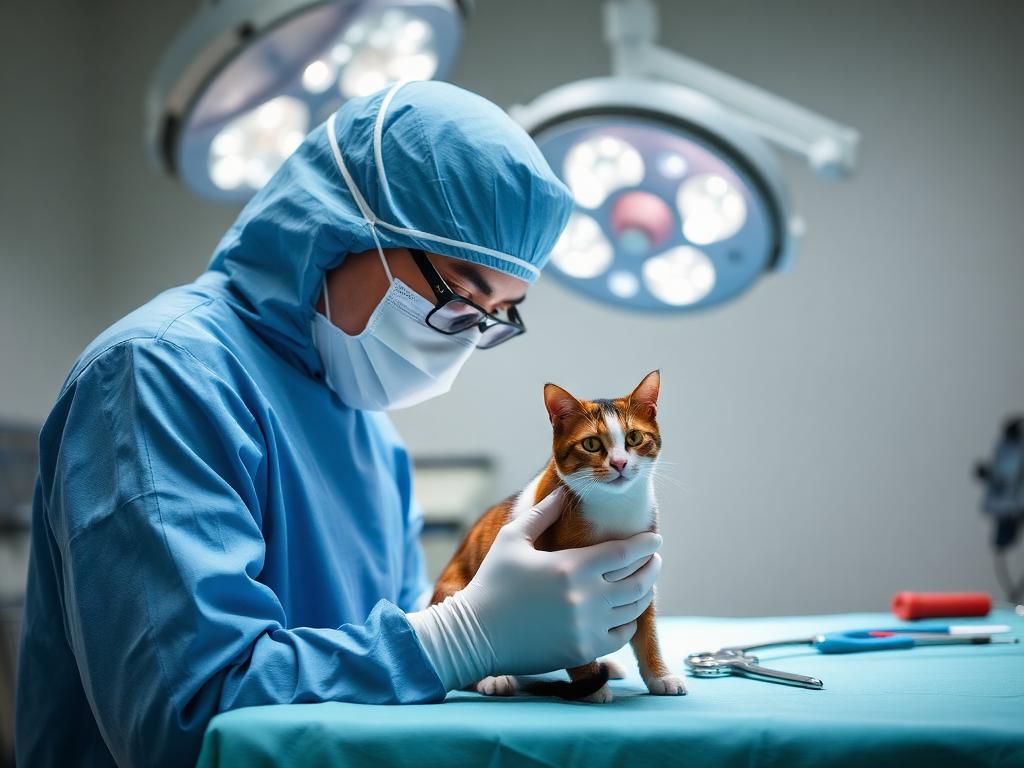
For Females (Spay):
- General anesthesia
- Small abdominal incision
- Ovaries and uterus removed
- Incision closed with sutures
- Duration: 30-60 minutes
For Males (Neuter):
- General anesthesia
- Small scrotal incisions
- Testicles removed
- Usually no sutures needed
- Duration: 15-30 minutes
▸Recovery Timeline
Day 1:
- Groggy from anesthesia
- May be unsteady
- Minimal appetite normal
- Keep quiet and warm
Days 2-3:
- Appetite returning
- More alert
- Still needs rest
- Monitor incision site
Days 4-7:
- Near normal activity
- Keep from jumping/running
- Continue monitoring
Days 10-14:
- Suture removal (if applicable)
- Most restrictions lifted
- Final vet check
Post-Operative Care
▸Home Setup
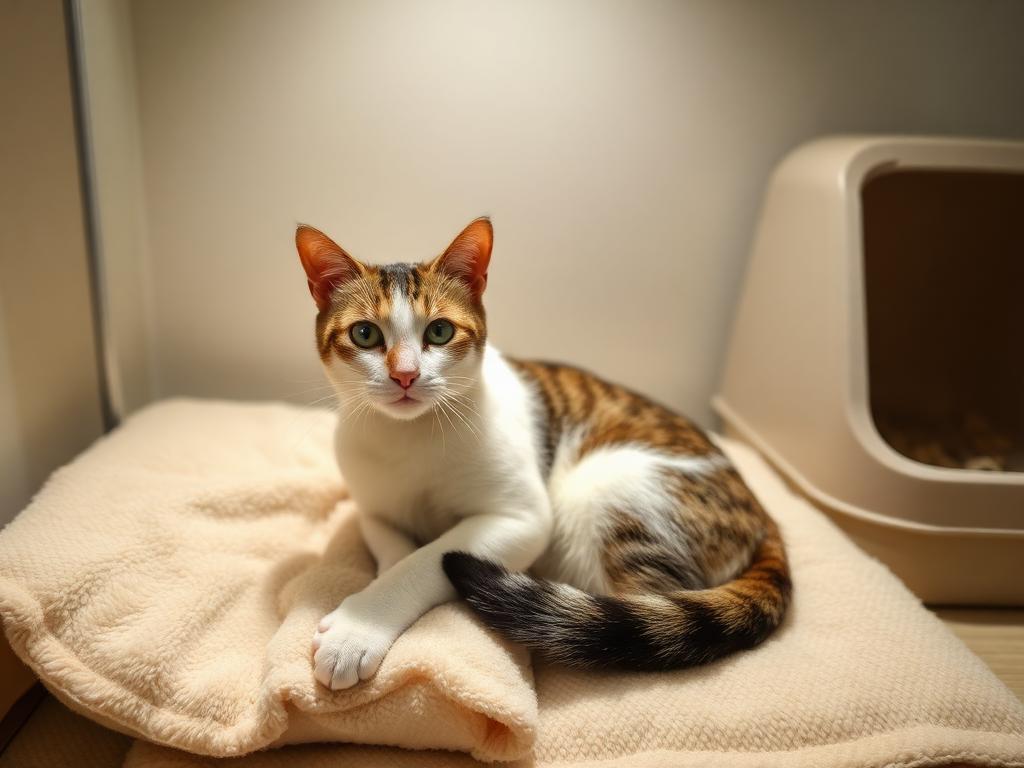
Recovery Space:
- Quiet, warm area
- Clean bedding
- Low-sided litter box
- Food and water nearby
- Away from other pets initially
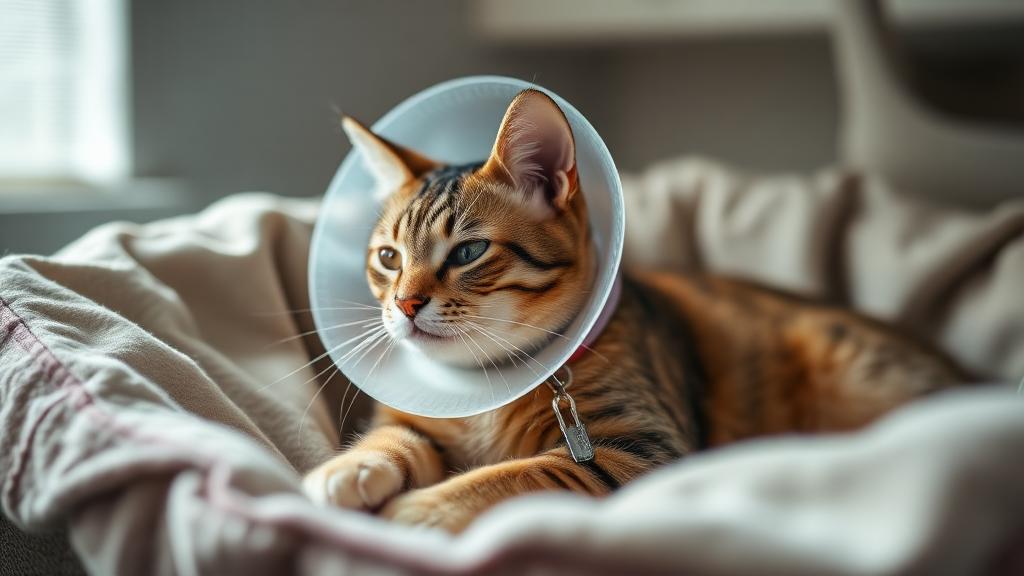
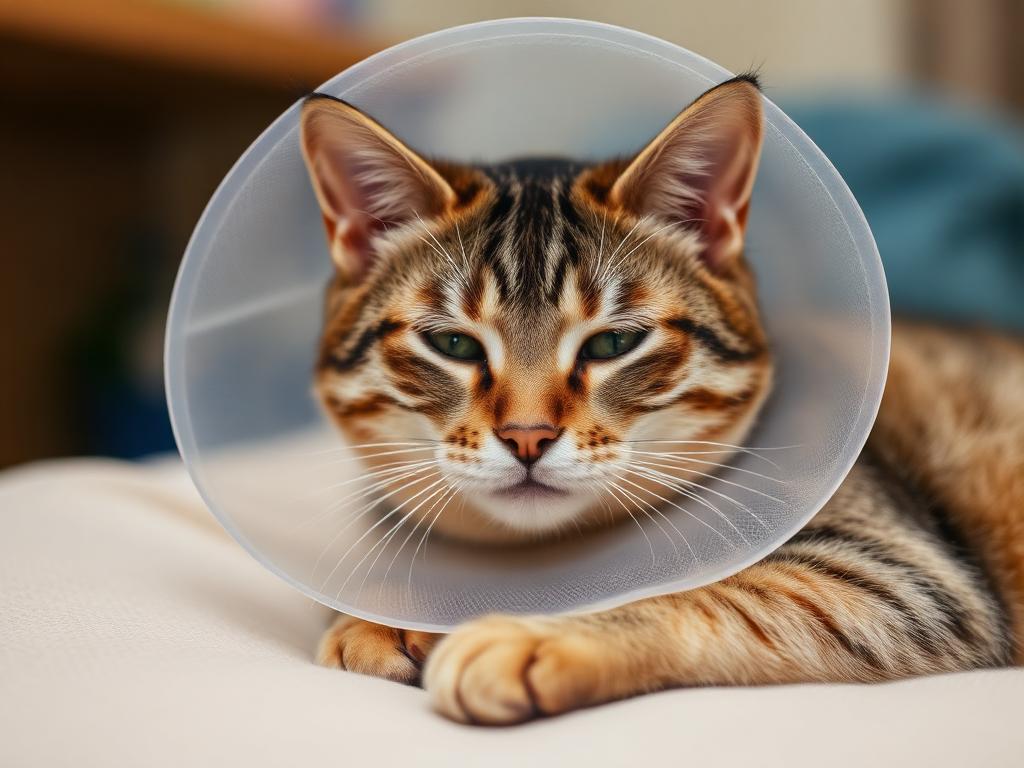
E-Collar/Cone:
- Prevents licking incision
- Keep on until vet approves removal
- Use alternatives if cat struggles (surgical suit)
▸What to Watch For
Normal:
- Drowsiness first 24 hours
- Reduced appetite initially
- Mild incision redness
- Slight swelling
Call Your Vet If:
- Excessive bleeding
- Discharge from incision
- Incision opening
- Severe swelling
- Fever
- Vomiting lasting >24 hours
- Not eating after 48 hours
- Extreme lethargy
▸Pain Management
- Vet will provide pain medication
- Follow dosage instructions exactly
- Don't give human medications
- Most cats recover with minimal pain
Cost of Sterilisation in Singapore
▸Typical Price Ranges (2026)
| Procedure | Cost Range (SGD) |
|---|---|
| Male neuter | $80-200 |
| Female spay | $150-350 |
| Package with blood work | $250-500 |
Factors Affecting Cost:
- Clinic type (private vs. subsidised)
- Cat's age and weight
- Additional services included
- Complications if any
▸Subsidised Options
Several organisations offer subsidised sterilisation:
- Cat Welfare Society
- SPCA Singapore
- Various rescue groups
- Check current programmes
Common Concerns Addressed
▸Will My Cat Get Fat?
The Truth:
- Metabolism slows slightly after sterilisation
- Weight gain is NOT inevitable
- Controlled portions prevent obesity
- Quality diet essential
Prevention:
- Reduce portions by 20-30% post-surgery
- Switch to low-carb diet
- Maintain regular exercise
- Monitor weight monthly
Related Reading: Cat Weight Management Guide
▸Will Personality Change?
What Changes:
- Reduced roaming urge
- Less aggression (males)
- No heat cycle behaviors (females)
- Often calmer overall
What Stays the Same:
- Core personality
- Playfulness
- Affection levels
- Intelligence
▸Is Anesthesia Safe?
Modern Anesthesia:
- Very safe for healthy cats
- Pre-surgical assessment reduces risks
- Continuous monitoring during surgery
- Rare complications in young, healthy cats
Higher Risk Categories:
- Senior cats (>7 years)
- Cats with health conditions
- Certain breeds (flat-faced)
- Pre-surgical blood work recommended
▸Should I Let Her Have One Litter First?
No Scientific Basis:
- This is a myth
- No health benefits
- Increases cancer risk
- Adds to overpopulation
Benefits Summary

▸For Your Cat
- Longer, healthier life
- Reduced cancer risk
- No reproductive stress
- Calmer behavior
▸For You
- No heat cycle yowling
- No spraying (usually)
- No unwanted pregnancies
- Easier cat management
▸For Singapore
- Reduced stray population
- Less shelter overcrowding
- Healthier community cats
- Responsible pet ownership
Designer Cats Policy
All kittens from Designer Cats:
- Come with sterilisation recommendations
- Include guidance on timing
- Have vet referrals available
- Support throughout the process
We believe responsible ownership includes timely sterilisation for non-breeding cats.
Conclusion
Sterilisation is a safe, routine procedure with significant health and behavioral benefits. It's also part of responsible cat ownership in Singapore.
Key Takeaways:
- Sterilise before 6 months for maximum benefits
- The procedure is safe and routine
- Recovery takes 10-14 days
- Manage weight with proper diet post-surgery
- Subsidised options are available
Contact Designer Cats at 8870 0666 or WhatsApp 8870 0666 for sterilisation guidance!
Related Reading:
Continue Your Learning
Explore these related guides for more helpful information:
Related Guides You'll Love
Continue reading:
Continue in the Cat Health guide
This article is one chapter of a larger Singapore guide. The hub links every related chapter in reading order.
Open the Cat Health hub- Cat vaccination guideCore vaccines and the schedule from kitten to adult.
- Cat dental carePreventing the dental disease most indoor cats develop.
- Weight managementBody condition scoring and safe weight loss.
- Common cat health problemsThe conditions Singapore vets see most often.
- How to detect illness earlyBehavioural and physical warning signs.
- Supporting immunityDiet, stress and routine factors that affect resilience.
References & Authoritative Sources
Written by our editorial team from the authoritative veterinary, government and registry sources listed below. For a concern about your own cat, please speak to a veterinarian.
- Animal & Veterinary Service (AVS), Singapore — Pet licensing & welfare standards
- WSAVA Vaccination Guidelines — Global feline vaccination protocol
- AAFP Feline Life Stage Guidelines — Veterinary care across life stages
- Cat Fanciers' Association (CFA) — Breed standards & registry
- The International Cat Association (TICA) — Breed standards & registry
- FIFe — Fédération Internationale Féline — International breed standards