For those who adore cats and are in search of an exceptional feline companion, the captivating Oriental Shorthair cat breed is the perfect choice. These elegant cats combine stunning looks with remarkable personalities.
Origins and History
▸Siamese Heritage
The Oriental Shorthair shares ancestry with the Siamese cat. Developed in the 1950s-60s, breeders aimed to create a cat with:
- The Siamese body type
- A wider range of colors and patterns
- The same intelligent, vocal personality
▸Recognition
The breed gained official recognition:
- CFA (Cat Fanciers' Association): 1977
- TICA (The International Cat Association): 1979
Physical Characteristics
▸Body Type
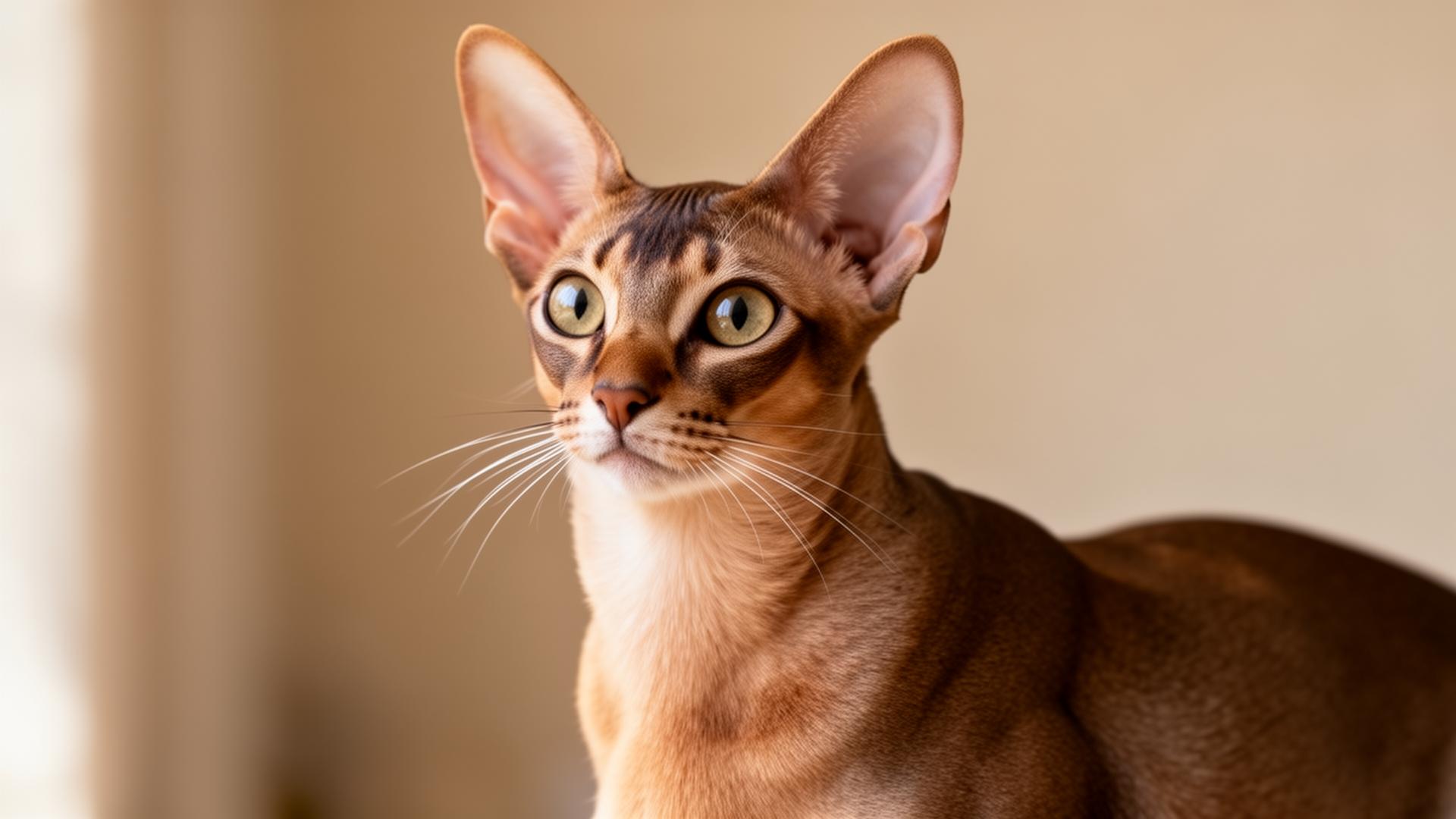
Oriental Shorthairs have a distinctive appearance:
- Long, svelte body
- Tubular torso
- Long, tapering tail
- Fine-boned legs
- Wedge-shaped head
- Large, flared ears
- Almond-shaped eyes
▸Coat
- Short, fine, and glossy
- Lies close to the body
- Minimal shedding
- Over 300 color/pattern combinations!
▸Popular Colors
- Solid colors (ebony, white, blue, chestnut)
- Tabby patterns
- Tortoiseshell
- Bi-color
- Pointed (like Siamese)
▸Eye Colors
- Green is most common
- Blue in pointed colors
- Odd-eyed (two different colors) in some
Personality Traits
▸Highly Vocal
Oriental Shorthairs are known for their voices:
- Love to "talk" to their owners
- Distinctive raspy voice
- Will tell you about their day
- Demand attention vocally
▸Extremely Intelligent
These cats are clever:
- Learn tricks easily
- Can open doors and cabinets
- Excel at puzzle toys
- Need mental stimulation
▸Deeply Affectionate
Orientals are "velcro cats":
- Follow owners everywhere
- Sleep with their people
- Demand attention and interaction
- Don't like being alone
▸Playful and Active
High energy levels mean:
- Love interactive play
- Athletic and agile
- Enjoy climbing
- Retain playfulness into adulthood
▸Social Butterflies
Generally good with:
- Other cats (especially other Orientals)
- Cat-friendly dogs
- Children
- Visitors (after warming up)
Care Requirements
▸Exercise Needs
Oriental Shorthairs need activity:
- Multiple play sessions daily
- Interactive toys
- Cat trees and climbing structures
- Puzzle feeders
▸Grooming
Low-maintenance coats:
- Weekly brushing sufficient
- Occasional bathing
- Regular nail trimming
- Ear cleaning as needed
▸Diet
Quality nutrition is important:
- High-protein cat food
- Monitor for weight (they should stay lean)
- Fresh water always available
- Avoid overfeeding
▸Health Considerations
Generally healthy, but watch for:
- Amyloidosis (liver disease)
- Cross-eyes or kinked tails (cosmetic)
- Dental issues
- Heart conditions
Regular vet check-ups are essential.
Living with an Oriental Shorthair
▸Best Environments
- Homes with other pets (they hate being alone)
- Active households
- Owners who work from home
- Families with time for interaction
▸Not Ideal For
- Those who want a quiet cat
- Owners away for long hours
- Those who prefer independent cats
- First-time owners wanting low-maintenance pets
▸Separation Anxiety
Orientals can suffer from separation anxiety:
- Don't leave alone for long periods
- Consider a companion pet
- Provide enrichment when away
- Interactive toys and window perches help
Oriental Shorthair vs Siamese
▸Similarities
- Same body type
- Similar personality traits
- Same intelligence level
- Vocal nature
▸Differences
- Oriental: Any color/pattern; Siamese: Pointed only
- Oriental: Usually green eyes; Siamese: Blue eyes
- Oriental: Created from Siamese outcrossing
- Both equally wonderful companions!
Finding an Oriental Shorthair
▸Choosing a Breeder
Look for:
- TICA or CFA registration
- Health testing for breed-specific conditions
- Socialization practices
- References from previous buyers
▸What to Expect
- Prices range from $1,500-$3,000
- Waiting lists are common
- Kittens should be fully vaccinated
- Pedigree papers included
▸Questions to Ask
- What health testing is done?
- How are kittens socialized?
- What support is provided?
- Can you visit the cattery?
Living in Singapore
▸Climate Considerations
Oriental Shorthairs adapt well:
- Short coat suits warm climate
- Appreciate air conditioning
- Need fresh water always
- Avoid direct sunlight exposure
▸Indoor Living
Perfect for Singapore apartments:
- Content as indoor cats
- Need vertical space (cat trees)
- Window perches for entertainment
- Secure all windows and balconies
Conclusion
Oriental Shorthair cats are perfect for those seeking an intelligent, loving, and vocal companion. Their elegant appearance and devoted nature make them exceptional pets for the right owners—those ready to provide the attention and interaction these beautiful cats crave.
For more information about Oriental Shorthairs and other breeds, contact Designer Cats at 8870 0666 or WhatsApp 8870 0666!
Continue Your Learning
Explore these related guides for more helpful information:
Breeds Mentioned in This Article
Learn more about these cat breeds featured in this guide:
Continue reading:
More about Oriental Shorthair Cats in Singapore
This guide supports our main breed page, which covers temperament, care commitment and current availability in Singapore.
Visit the Oriental Shorthair Cats pageReferences & Authoritative Sources
Written by our editorial team from the authoritative veterinary, government and registry sources listed below. For a concern about your own cat, please speak to a veterinarian.
- Animal & Veterinary Service (AVS), Singapore — Pet licensing & welfare standards
- WSAVA Vaccination Guidelines — Global feline vaccination protocol
- AAFP Feline Life Stage Guidelines — Veterinary care across life stages
- Cat Fanciers' Association (CFA) — Breed standards & registry
- The International Cat Association (TICA) — Breed standards & registry
- FIFe — Fédération Internationale Féline — International breed standards