Are you ready to embark on a fascinating journey into the world of Savannah Cats? Buckle up, cat lovers, as we dive deep into the untold wonders of one of the most exotic and captivating domestic cat breeds.
What is a Savannah Cat?
The Savannah is a hybrid cat breed—a cross between a domestic cat and an African Serval, a wild cat native to Africa. First bred in 1986, Savannahs have since become one of the most sought-after exotic cat breeds.
▸Generation Classifications
F1 Savannah
- First generation (one Serval parent)
- 50%+ Serval genetics
- Largest size
- Most wild appearance
- Highest price point
F2 Savannah
- Second generation
- Approximately 25% Serval
- Still large and exotic
- More domesticated than F1
F3-F5 Savannahs
- Successive generations
- Lower Serval percentage
- More domestic temperament
- More widely available
- Lower price range
Physical Characteristics
▸Size
Savannahs are among the largest domestic cats:
- F1: Up to 25 lbs, 18+ inches tall
- F2: 15-20 lbs
- F3-F5: 12-17 lbs
▸Appearance
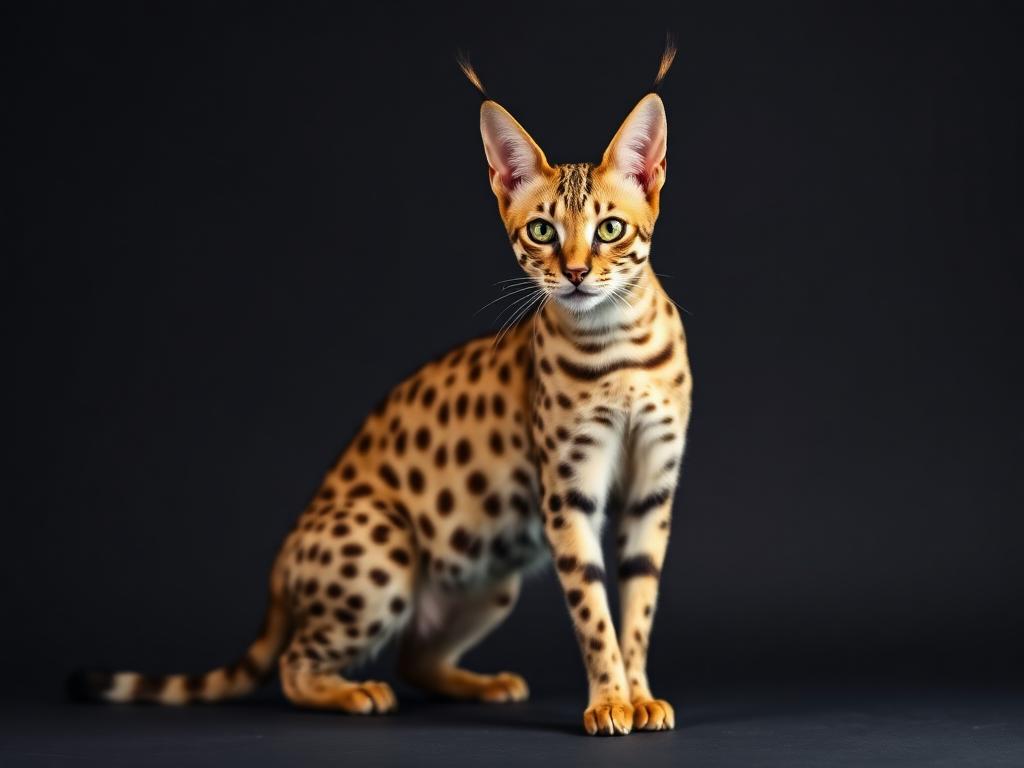
- Long, lean body
- Large, upright ears
- Spotted coat pattern
- Long neck and legs
- Tear-mark facial markings (like cheetahs)
- Golden to tawny base coat
▸Coat Colors
- Brown spotted tabby (most common)
- Silver spotted tabby
- Black (melanistic)
- Black smoke
Personality Traits
▸High Intelligence
Savannahs are exceptionally smart:
- Can learn tricks and commands
- Open doors and cabinets
- Solve puzzle toys easily
- Require mental stimulation
▸Dog-Like Behavior
Often compared to dogs because they:
- Follow owners around
- Can be trained to walk on leash
- Play fetch
- Greet owners at the door
- Are loyal to their families
▸Active and Playful
These cats need:
- Extensive daily playtime
- Climbing structures
- Interactive toys
- Space to run and jump
- Water play (many love water!)
▸Social Nature
Savannahs typically:
- Bond strongly with owners
- Can be territorial
- May be cautious with strangers
- Get along with other pets if socialized early
Care Requirements
▸Exercise Needs
Savannahs require more exercise than typical cats:
- Multiple play sessions daily (total 30-60 minutes)
- Access to cat trees and climbing structures
- Puzzle feeders for mental stimulation
- Possible leash training for outdoor walks
▸Diet
High-quality protein is essential:
- Minimum 30% protein content
- Raw or high-quality wet food preferred
- Avoid grain-heavy kibbles
- Fresh water always available
▸Grooming
Relatively low-maintenance:
- Weekly brushing
- Regular nail trimming
- Ear cleaning as needed
- Dental care
▸Health Considerations
Generally healthy breed, but watch for:
- Hypertrophic cardiomyopathy (HCM)
- Progressive retinal atrophy (PRA)
- Hybrid male sterility (F1-F3 males often sterile)
Regular vet check-ups are essential.
Savannah Cats in Singapore
▸Legal Considerations
Before acquiring a Savannah in Singapore:
- Check current AVS regulations
- Different generations may have different restrictions
- Ensure you can provide appropriate care
- Verify breeder has proper licensing
▸Climate Adaptation
Savannahs generally adapt well to Singapore's climate:
- Originally from African genetics (warm climate)
- Appreciate air conditioning for comfort
- Need access to shade and cool areas
- Fresh water is crucial
▸Space Requirements
Savannahs need space:
- Large apartment or house preferred
- Cat-proofed balconies
- Vertical climbing spaces
- Secure outdoor enclosures (if possible)
Is a Savannah Right for You?
▸Ideal Owners
- Experienced cat owners
- Active households
- Those with time for interaction
- Those who appreciate exotic pets
- People wanting a "dog-like" cat
▸Not Recommended For
- First-time cat owners
- Those with limited space
- Busy households with no time
- Those wanting a lap cat
- Homes with very small children
Cost Considerations
▸Initial Purchase
- F1: $15,000-$25,000+
- F2: $10,000-$15,000
- F3: $5,000-$10,000
- F5: $3,000-$8,000
▸Ongoing Costs
- Premium food requirements
- Larger supplies (carrier, bed, etc.)
- Potential specialized veterinary care
- Enrichment and toys
Finding a Savannah
▸Choose Reputable Breeders
Look for:
- TICA registration
- Health testing documentation
- Knowledge of breed
- Socialization practices
- Lifetime support
▸Questions to Ask
- What generation is the kitten?
- What are the parents' health histories?
- How are kittens socialized?
- What support is provided?
- What documentation is included?
Conclusion
Savannah cats are extraordinary companions for the right owners. Their exotic appearance, intelligence, and dog-like personalities make them unique among domestic cats. However, they require significant commitment in terms of time, space, and resources.
For information about Savannah cats and other exotic breeds, contact Designer Cats at 8870 0666 or WhatsApp 8870 0666!
Continue Your Learning
Explore these related guides for more helpful information:
Continue reading:
More about Savannah Cats in Singapore
This guide supports our main breed page, which covers temperament, care commitment and current availability in Singapore.
Visit the Savannah Cats pageReferences & Authoritative Sources
Written by our editorial team from the authoritative veterinary, government and registry sources listed below. For a concern about your own cat, please speak to a veterinarian.
- Animal & Veterinary Service (AVS), Singapore — Pet licensing & welfare standards
- WSAVA Vaccination Guidelines — Global feline vaccination protocol
- AAFP Feline Life Stage Guidelines — Veterinary care across life stages
- Cat Fanciers' Association (CFA) — Breed standards & registry
- The International Cat Association (TICA) — Breed standards & registry
- FIFe — Fédération Internationale Féline — International breed standards