Welcoming a new feline friend into your life is incredibly exciting. Whether you've just decided to buy a British Shorthair kitten or adopted a rescue cat, preparing your home is essential for your cat's safety and your peace of mind. This room-by-room guide will help you cat-proof your Singapore home.
Key Takeaways
- Window safety is critical in Singapore's high-rise living
- Remove toxic plants common in local households
- Secure all chemicals and medications
- Create safe spaces for your cat to retreat
- Remove small objects that can be swallowed
Living Room / Common Areas
▸Windows & Balconies
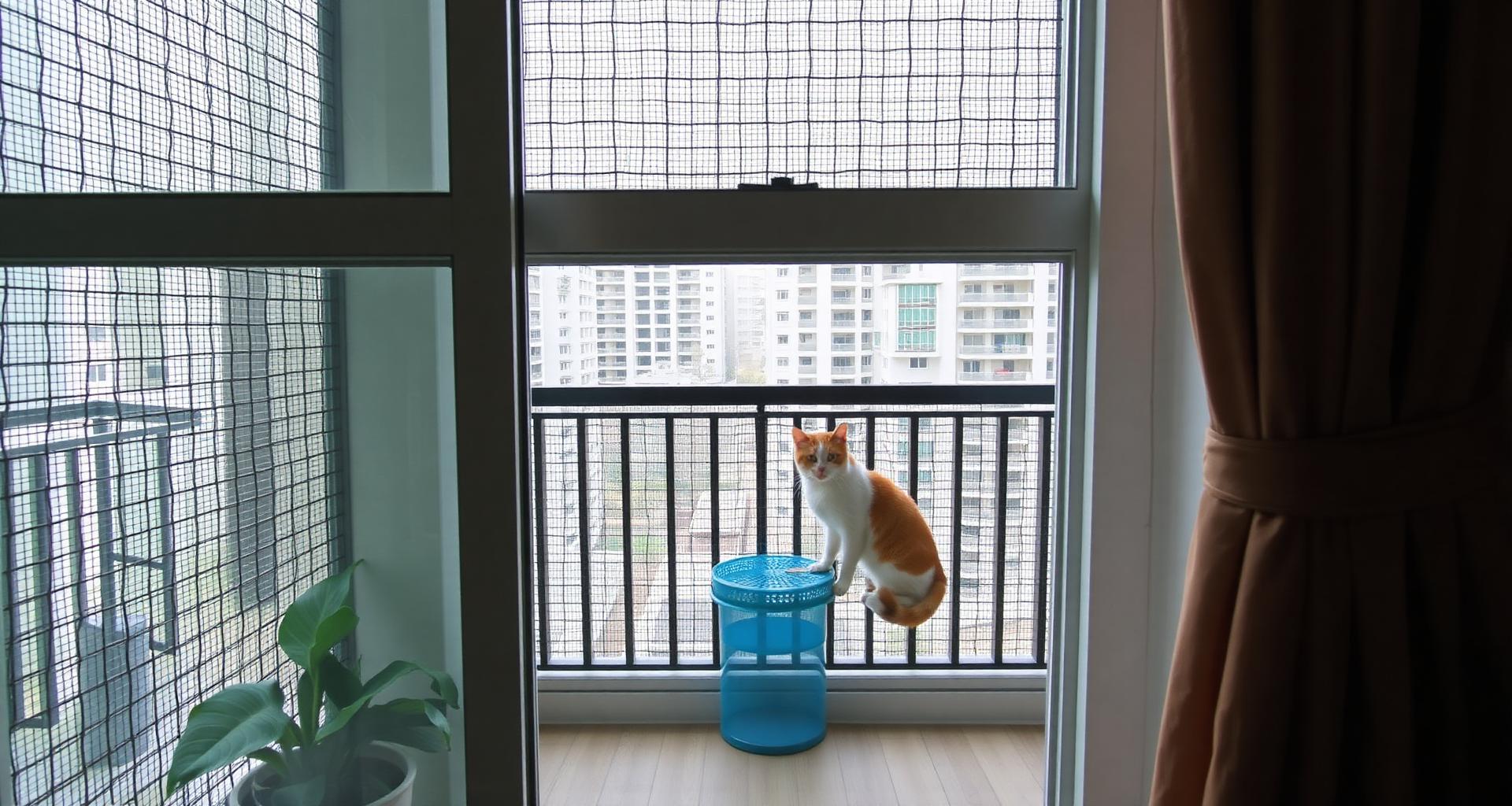
The #1 danger for cats in Singapore: High-rise syndrome is real. Cats can and do fall from heights.
Essential steps:
- Install window mesh/grilles on ALL windows
- Secure balcony with cat-safe netting
- Check for gaps that cats can squeeze through
- Never rely on screens alone—cats can push through
Where to get window mesh:
- HDB/BTO approved mesh installers
- Home improvement stores (HomeFix, Selffix)
- Online retailers (Lazada, Shopee)
▸Cords & Cables
Cats love to chew on cords, risking electrocution.
Solutions:
- Use cable organizers
- Apply bitter apple spray to exposed cords
- Hide cords behind furniture
- Consider cord covers
▸Furniture
Secure unstable items:
- Anchor tall bookshelves to walls
- Remove fragile items from high surfaces
- Check for gaps where cats can get stuck
▸Plants
Common toxic plants to remove:
- Lilies (extremely toxic—even pollen is dangerous)
- Pothos/Devil's Ivy
- Money plants
- Monstera
- Aloe vera
- Snake plant
Cat-safe alternatives:
- Cat grass
- Spider plant
- Boston fern
- Areca palm
- Bamboo palm
Kitchen
▸Toxic Foods
Keep these away from cats:
- Onions & garlic
- Chocolate
- Grapes & raisins
- Alcohol
- Coffee & tea
- Xylitol (artificial sweetener)
▸Hazards
- Store knives in drawers, not on counters
- Secure cabinet doors with child locks
- Keep trash bins covered or inside cabinets
- Never leave stovetops unattended
- Ensure oven doors close securely
▸Plastic Bags
Many cats love playing with plastic bags, but they pose suffocation risks. Store or dispose of them properly.
Bedroom
▸Closets
- Check inside before closing doors
- Store small items (buttons, coins, jewelry) in containers
- Keep medications in locked cabinets
▸Bedding
- Check under pillows and blankets before sitting
- Keep hair ties and small accessories stored away
▸Windows
Same rules as living room—mesh all windows!
Bathroom
▸Medications
- Store ALL medications in closed cabinets
- Be extra careful with painkillers (deadly to cats)
- Keep vitamin supplements secured
▸Toiletries
Cats may lick or chew:
- Dental floss (can cause intestinal blockage)
- Cotton swabs
- Makeup products
- Soaps and shampoos
▸Toilet
Always keep the lid down! Cats can fall in and drown, especially kittens.
▸Cleaning Chemicals
Store securely in cabinets:
- Bleach
- Toilet cleaners
- Drain cleaners
- Disinfectants
Laundry Area
▸Washer & Dryer
ALWAYS check inside before starting a cycle! Cats love warm, enclosed spaces and can climb inside.
▸Laundry Detergent
Store pods and detergents in sealed containers. Pods are especially dangerous—they look like toys.
Small Items to Remove or Secure
Cats love to bat around and swallow small objects:
- Hair ties
- Rubber bands
- Coins
- Buttons
- Small toys
- String/ribbon
- Sewing supplies
- Small batteries
Setting Up Safe Spaces
▸Hiding Spots
Cats need places to retreat when stressed:
- Cat caves or enclosed beds
- Cardboard boxes
- Space under furniture
- Cat trees with enclosed perches
▸Vertical Space
Singapore homes are often compact. Go vertical!
- Cat trees
- Wall-mounted shelves
- Cat bridges
- Tall scratching posts
▸Scratching Options
Prevent furniture damage by providing:
- Vertical scratching posts
- Horizontal scratching boards
- Sisal-wrapped furniture
Special Considerations for HDB Flats
▸Gate/Main Door
- Install a secondary gate or mesh door
- Prevents escapes when main door opens
- Essential for curious cats
▸Bomb Shelter
If used for storage:
- Ensure no toxic items are accessible
- Block small gaps where cats can hide
- Keep heavy items secured
▸Service Yard
- Mesh windows if present
- Secure washing machine access
- Remove toxic cleaning supplies
Creating a Cat-Friendly Environment
▸Essential Items
- Litter box - Covered or uncovered, placed in quiet area
- Food & water bowls - Ceramic or stainless steel
- Scratching posts - Multiple locations
- Cat bed - Though they'll sleep anywhere!
- Toys - Interactive and solo-play options
- Cat tree - For climbing and observation
▸Room Temperature
Singapore is hot! Ensure:
- Air conditioning or fans available
- Cool tile floors for cats to lie on
- Fresh water always accessible
- No direct sunlight exposure for extended periods
Checklist Summary
▸Before Bringing Your Cat Home:
- [ ] Mesh all windows
- [ ] Secure balcony (if applicable)
- [ ] Remove toxic plants
- [ ] Hide all cords
- [ ] Store chemicals and medications
- [ ] Remove small ingestible objects
- [ ] Set up litter box
- [ ] Prepare food and water stations
- [ ] Install scratching posts
- [ ] Create hiding spots
- [ ] Check for gaps and escape routes
- [ ] Install secondary gate at main door
Conclusion
Cat-proofing your Singapore home might seem like a lot of work, but it's essential for your cat's safety. Most accidents are preventable with proper preparation.
At Designer Cats, we provide a comprehensive new owner guide with every kitten purchase, including cat-proofing tips specific to your living situation. Contact us at 8870 0666 or WhatsApp 8870 0666 to schedule a kitten viewing!
Continue Your Learning
Explore these related guides for more helpful information:
Breeds Mentioned in This Article
Learn more about these cat breeds featured in this guide:
Related Guides You'll Love
Continue reading:
Continue in the Kitten Care guide
This article is one chapter of a larger Singapore guide. The hub links every related chapter in reading order.
Open the Kitten Care hub- Preparing your home for a new kittenRoom setup, supplies and safe zones before pickup day.
- The 3-3-3 rule for settling a catWhat to expect at three days, three weeks and three months.
- Litter training a kittenTray placement, litter choice and fixing accidents.
- Kitten feeding schedulePortions and meal frequency from eight weeks to a year.
- First-time cat owner guideThe full checklist for a first cat in Singapore.
- Bringing your kitten homeTransport, the first night and introducing other pets.
References & Authoritative Sources
Written by our editorial team from the authoritative veterinary, government and registry sources listed below. For a concern about your own cat, please speak to a veterinarian.
- Animal & Veterinary Service (AVS), Singapore — Pet licensing & welfare standards
- WSAVA Vaccination Guidelines — Global feline vaccination protocol
- AAFP Feline Life Stage Guidelines — Veterinary care across life stages
- Cat Fanciers' Association (CFA) — Breed standards & registry
- The International Cat Association (TICA) — Breed standards & registry
- FIFe — Fédération Internationale Féline — International breed standards