Cats captivate us with their quirky behaviours, and one of the most endearing is kneading. You may have noticed your feline friend rhythmically pushing their paws against soft surfaces—like they're making biscuits. Let's explore why cats knead.
What is Kneading?
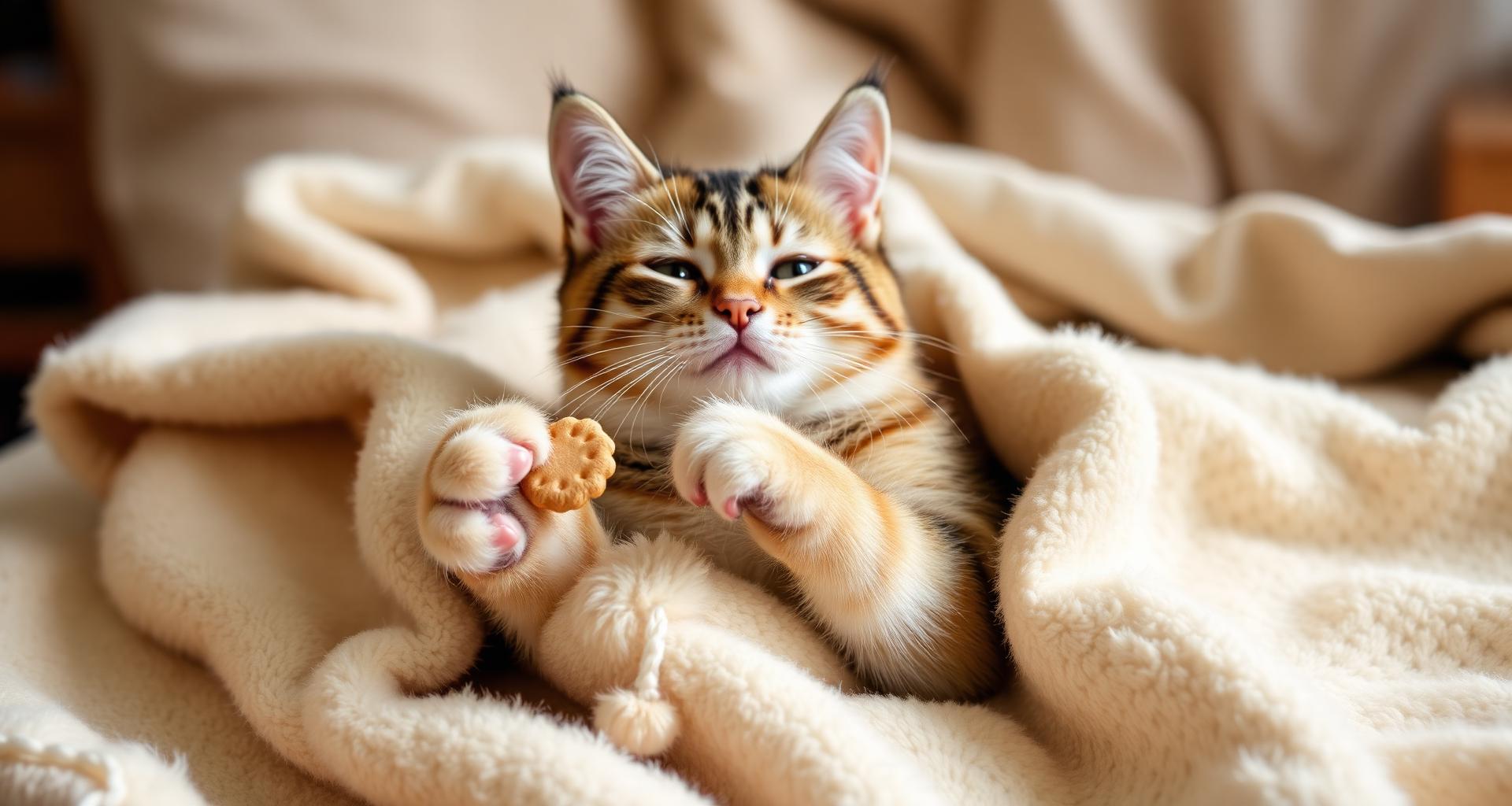
Kneading is a rhythmic motion where cats push their paws in and out against soft surfaces. Also called:
- Making biscuits
- Playing the piano
- Making bread
- Happy paws
Most cats knead with their front paws, though some use all four. Some extend their claws, while others keep them retracted.
The Origins of Kneading
▸Kittenhood Instinct
The behaviour originates from nursing. Kittens knead their mother's belly to stimulate milk flow. This instinctive motion becomes associated with:
- Comfort and security
- Nourishment
- The warmth of the mother
- Safety and bonding
▸Retained Into Adulthood
Unlike many kitten behaviours that fade, kneading persists because of its strong positive associations. Adult cats continue kneading when they experience similar feelings of comfort and contentment.
Why Adult Cats Knead
▸Showing Contentment
The most common reason—your cat is happy and relaxed. Kneading often occurs:
- On your lap
- On soft blankets
- Before settling down to sleep
- During petting sessions
It's essentially your cat saying, "I feel safe and content."
▸Marking Territory
Cats have scent glands in their paw pads. By kneading, they deposit their scent, claiming objects or people as "theirs." This is a sign of:
- Ownership and possession
- Comfort in their territory
- Bonding with you
▸Preparing for Rest
In the wild, cats would knead grass or foliage to create a comfortable sleeping spot. Domestic cats retain this instinct, kneading bedding before lying down.
▸Stretching
Kneading exercises the muscles in a cat's paws and legs. After a long nap, a good kneading session stretches those muscles.
▸Self-Soothing
Cats may knead when anxious or stressed as a way to comfort themselves, accessing those calming feelings from kittenhood.
The Connection to You
▸A Sign of Trust
When your cat kneads on you, they're showing:
- Deep trust and comfort
- Affection and bonding
- That they consider you family
- Contentment in your presence
It's one of the highest compliments a cat can give.
▸The Drooling Connection
Some cats drool while kneading—a throwback to nursing when drooling accompanied feeding. It indicates extreme relaxation and happiness.
▸Purring Partnership
Kneading often accompanies purring, creating a symphony of feline contentment.
Different Kneading Styles
▸Soft Kneading
- Gentle, rhythmic paw movements
- Claws usually retracted
- Often while being petted
▸Vigorous Kneading
- Strong, enthusiastic movements
- May include claw extension
- Usually on very soft surfaces
▸Suckling While Kneading
Some cats suck on fabric while kneading—often seen in cats weaned early. It's harmless but indicates the cat is seeking comfort.
▸Single-Paw Kneading
Some cats prefer using one paw at a time in an alternating pattern.
How to Respond to Kneading
▸Enjoy the Moment
Your cat is expressing love and contentment. Appreciate this special bonding time.
▸Protect Yourself from Claws
If claws are extended:
- Keep a thick blanket on your lap
- Gently redirect to a soft toy
- Keep nails trimmed
▸Never Punish
Punishing kneading behavior damages trust and creates anxiety. It's a natural, healthy behavior.
▸Provide Appropriate Outlets
- Soft blankets designated for kneading
- Plush toys
- Cat beds with soft surfaces
When Kneading Indicates Issues
While usually normal, excessive kneading with other symptoms may indicate:
- Anxiety or stress
- Early weaning issues
- Need for more comfort and security
If accompanied by changes in eating, sleeping, or other behaviors, consult your vet.
Interesting Kneading Facts
- Not all cats knead—it's more common in some individuals
- Both male and female cats knead
- Some breeds are more prone to kneading
- Kneading intensity varies by mood
- The behavior doesn't diminish with age
Conclusion
Kneading is one of the most charming cat behaviors, revealing the deep emotional connection between cats and their owners. When your cat kneads, they're telling you they feel safe, loved, and content—the ultimate feline compliment.
At Designer Cats, we love seeing our kittens develop these special bonds with their new families. Contact us at 8870 0666 or WhatsApp 8870 0666 to find your kneading companion!
Continue Your Learning
Explore these related guides for more helpful information:
Related Guides You'll Love
Continue reading:
Continue in the Cat Behaviour guide
This article is one chapter of a larger Singapore guide. The hub links every related chapter in reading order.
Open the Cat Behaviour hub- Understanding cat behaviourWhat common behaviours are really asking for.
- Cat body languageReading tail, ear, posture and pupil signals.
- Why cats purrContentment, self-soothing and solicitation purrs.
- Are cats nocturnal?Crepuscular rhythms and settling night-time activity.
- The slow blinkHow cats show trust and affection with their eyes.
References & Authoritative Sources
Written by our editorial team from the authoritative veterinary, government and registry sources listed below. For a concern about your own cat, please speak to a veterinarian.
- Animal & Veterinary Service (AVS), Singapore — Pet licensing & welfare standards
- WSAVA Vaccination Guidelines — Global feline vaccination protocol
- AAFP Feline Life Stage Guidelines — Veterinary care across life stages
- Cat Fanciers' Association (CFA) — Breed standards & registry
- The International Cat Association (TICA) — Breed standards & registry
- FIFe — Fédération Internationale Féline — International breed standards