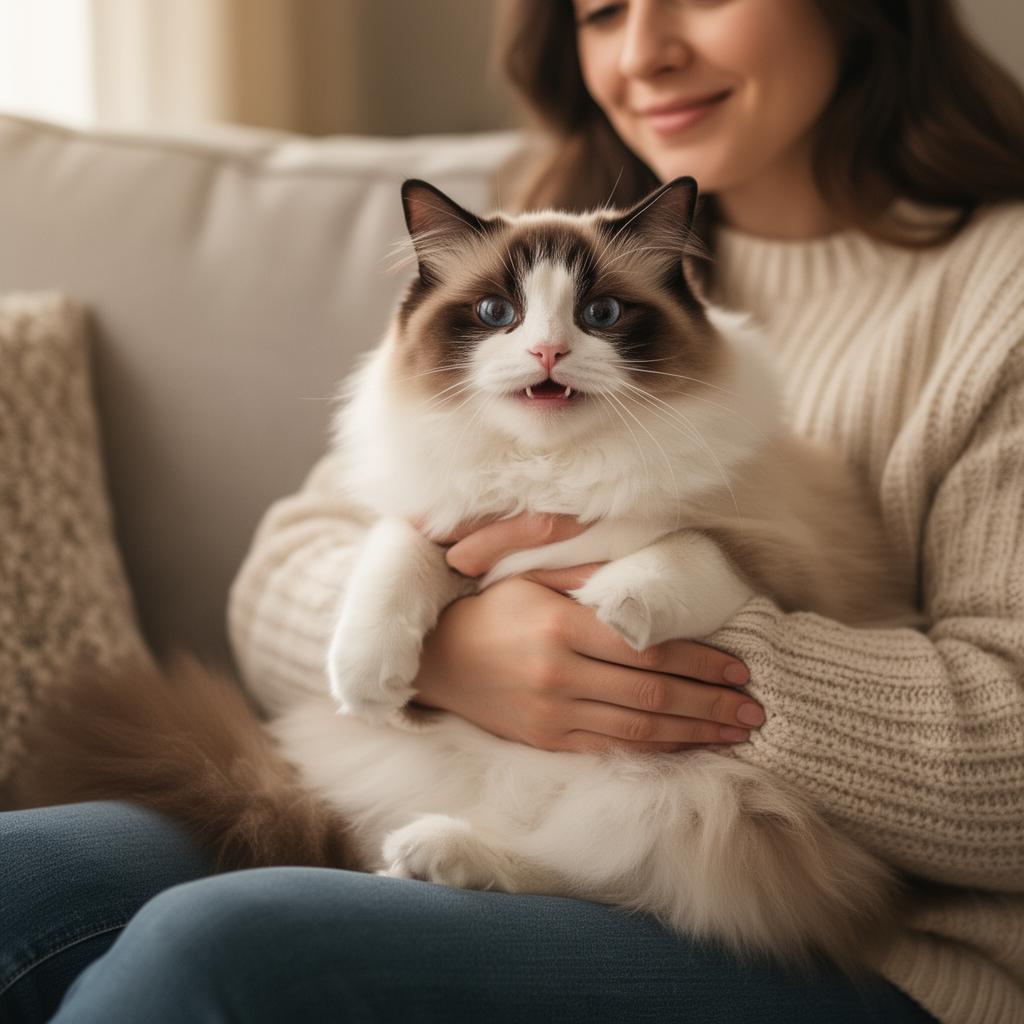
Cats communicate primarily through body language. Learning to read these subtle signals helps you understand your cat's emotions, anticipate their needs, and build a stronger bond.
The Tail Tells All
▸Tail Positions
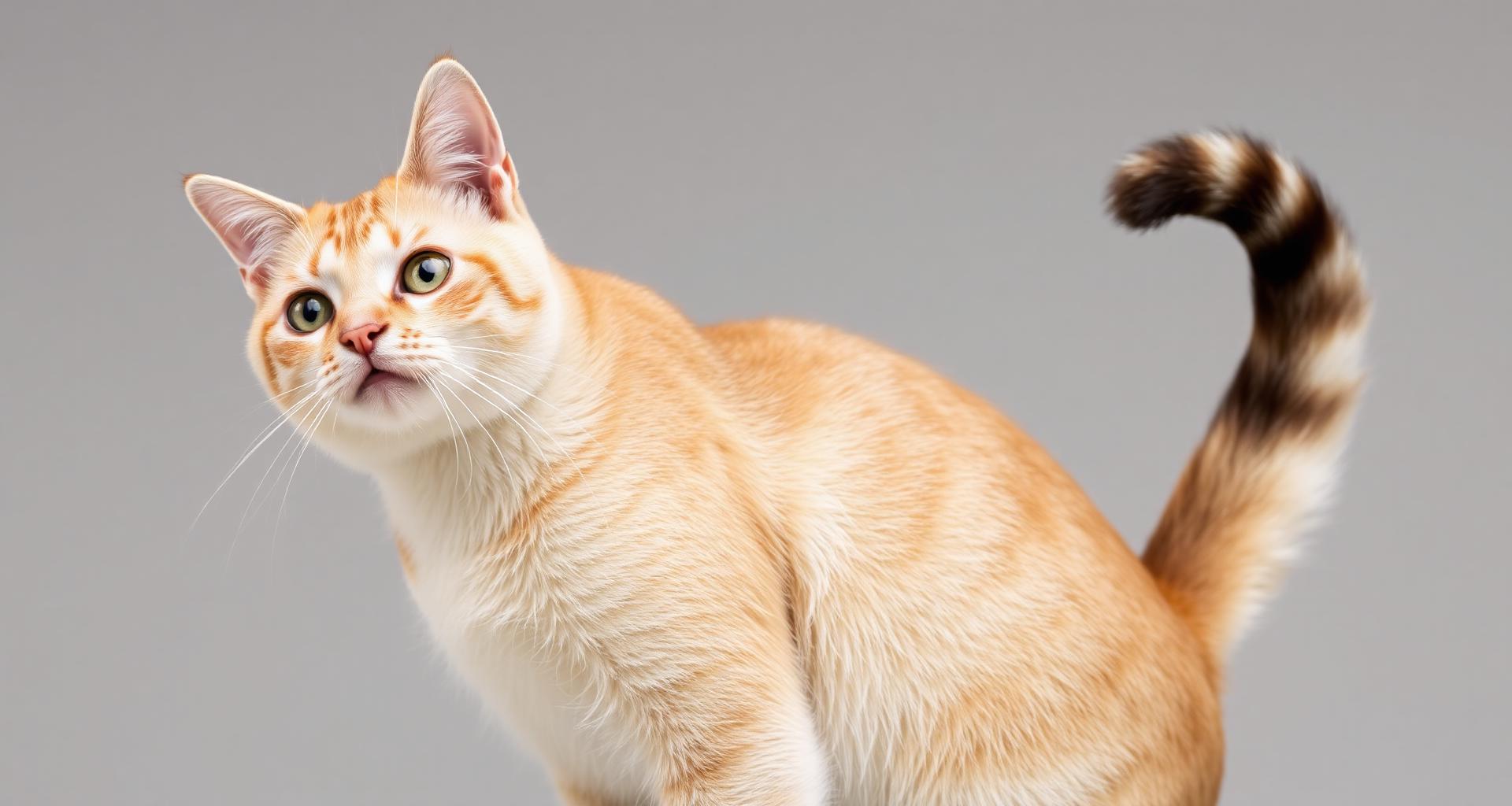
Upright (High Tail)
- Confidence and happiness
- Friendly greeting
- Approachable mood
Curved Like a Question Mark
- Playful disposition
- Ready for interaction
- Happy to see you
Low or Tucked
- Insecurity or submission
- Fear or anxiety
- Possible illness (check with vet)
Puffed Up (Bottlebrush)
- Fear or aggression
- Attempting to appear larger
- Do not approach
Swishing Side to Side
- Focused attention (hunting)
- Irritation or agitation
- Consider giving space
Gentle Swaying
- Relaxed contemplation
- Contentment
- Assessing situation
▸Tail Wraps
When a cat wraps their tail around you or another pet, it's like a hug—a sign of affection and trust.
Eye Communication
▸Pupil Size
Dilated Pupils
- Excitement or playfulness
- Fear or stress
- Low light conditions (normal)
- Aggression (with other signs)
Constricted Pupils
- Bright light (normal)
- Focused aggression
- Tension or irritation
▸Eye Contact
Direct Stare
- Challenge or threat
- Predatory focus
- Do not return the stare
Slow Blink
- Trust and affection
- "Cat kiss"
- Return the slow blink!
Half-Closed Eyes
- Relaxation and contentment
- Trust in environment
- Sleepiness
Wide Open, Alert
- Interest or curiosity
- Potential fear (with other signs)
- Full attention
Ear Expressions
▸Forward-Facing Ears
- Alert and interested
- Engaged and curious
- Content and relaxed
▸Sideways (Airplane Ears)
- Anxiety or nervousness
- Uncertainty
- Potential aggression
▸Flattened Back
- Fear or defensive
- Strong aggression
- Warning signal—do not approach
▸One Ear Forward, One Back
- Mixed feelings
- Assessing situation
- Partially alert
Body Postures
▸Relaxed Postures
- Lying on side with belly exposed (trust)
- Curled up sleeping (comfortable)
- Lounging stretched out (secure)
- "Loaf" position (content but alert)
▸Confident Postures
- Upright stance
- Head held high
- Relaxed but engaged
- Moving calmly through space
▸Fearful Postures
- Crouching low
- Making body appear smaller
- Tail wrapped around body
- Looking for escape routes
▸Aggressive Postures
- Arched back (defensive aggression)
- Stiff-legged stance
- Fur standing on end
- Direct facing toward threat
Facial Expressions
▸Whiskers
Forward
- Interest and curiosity
- Hunting mode
- Engaged with environment
Relaxed to the Sides
- Calm and content
- Neutral state
- At ease
Pulled Back
- Fear or anxiety
- Defensive
- Stressed
▸Mouth
- Yawning: Stress displacement or tiredness
- Chattering: Excitement (usually at birds)
- Lip licking: Anxiety or anticipation
- Open mouth: Scent analysis (Flehmen response)
Combination Reading
▸Happy Cat Signs
- Upright tail with curved tip
- Forward ears
- Slow blinking
- Relaxed whiskers
- Kneading behavior
- Gentle purring
▸Anxious Cat Signs
- Low body posture
- Airplane ears
- Dilated pupils
- Excessive grooming
- Hiding behavior
- Flicking tail
▸Aggressive Cat Signs
- Puffed tail
- Arched back
- Flattened ears
- Constricted pupils
- Hissing or growling
- Direct stare
▸Playful Cat Signs
- Question mark tail
- Forward ears
- Pouncing stance
- Wiggling hindquarters
- Play biting (gentle)
- Bunny kicks
Context Matters
Always consider:
- The environment (new vs. familiar)
- Recent events (visitors, loud noises)
- Time of day (feeding time behavior)
- Health status
- Individual personality
Building Better Communication
▸Respond Appropriately
- Back off when seeing fear signals
- Engage when seeing play signals
- Provide comfort when seeing anxiety
- Don't force interaction
▸Learn Your Cat's Unique Language
Every cat has individual variations. Spend time observing your specific cat's patterns.
▸Use Body Language Back
- Slow blink to show love
- Approach from the side, not directly
- Let cat come to you
- Avoid sustained direct eye contact
Conclusion
Understanding cat body language transforms your relationship with your feline companion. By reading these silent signals, you can respond to their needs, respect their boundaries, and build deeper trust.
At Designer Cats, we educate all our kitten buyers on feline communication. Contact us at 8870 0666 or WhatsApp 8870 0666 for more information!
Continue Your Learning
Explore these related guides for more helpful information:
Related Guides You'll Love
Continue reading:
Continue in the Cat Behaviour guide
This article is one chapter of a larger Singapore guide. The hub links every related chapter in reading order.
Open the Cat Behaviour hub- Understanding cat behaviourWhat common behaviours are really asking for.
- Why cats purrContentment, self-soothing and solicitation purrs.
- Why cats kneadThe kittenhood origin of 'making biscuits'.
- Are cats nocturnal?Crepuscular rhythms and settling night-time activity.
- The slow blinkHow cats show trust and affection with their eyes.
References & Authoritative Sources
Written by our editorial team from the authoritative veterinary, government and registry sources listed below. For a concern about your own cat, please speak to a veterinarian.
- Animal & Veterinary Service (AVS), Singapore — Pet licensing & welfare standards
- WSAVA Vaccination Guidelines — Global feline vaccination protocol
- AAFP Feline Life Stage Guidelines — Veterinary care across life stages
- Cat Fanciers' Association (CFA) — Breed standards & registry
- The International Cat Association (TICA) — Breed standards & registry
- FIFe — Fédération Internationale Féline — International breed standards