Cats are fascinating creatures with complex communication systems. Among their many vocalizations, purring stands out as one of the most mysterious and beloved sounds. Understanding what your cat's purr means can deepen your bond and help you respond to their needs.
The Science Behind Purring
▸How Cats Purr
Purring is produced by the rapid movement of the laryngeal muscles in a cat's throat. These muscles dilate and constrict the glottis (the part of the larynx around the vocal cords) at a rate of about 25-150 vibrations per second.
▸The Frequency of Purring
Cat purrs typically occur at frequencies between 25 and 50 Hz, with harmonics extending up to 150 Hz. Interestingly, this frequency range has been shown to:
- Promote bone density
- Reduce pain
- Facilitate healing
- Decrease stress
What Different Purrs Mean
▸The Contentment Purr
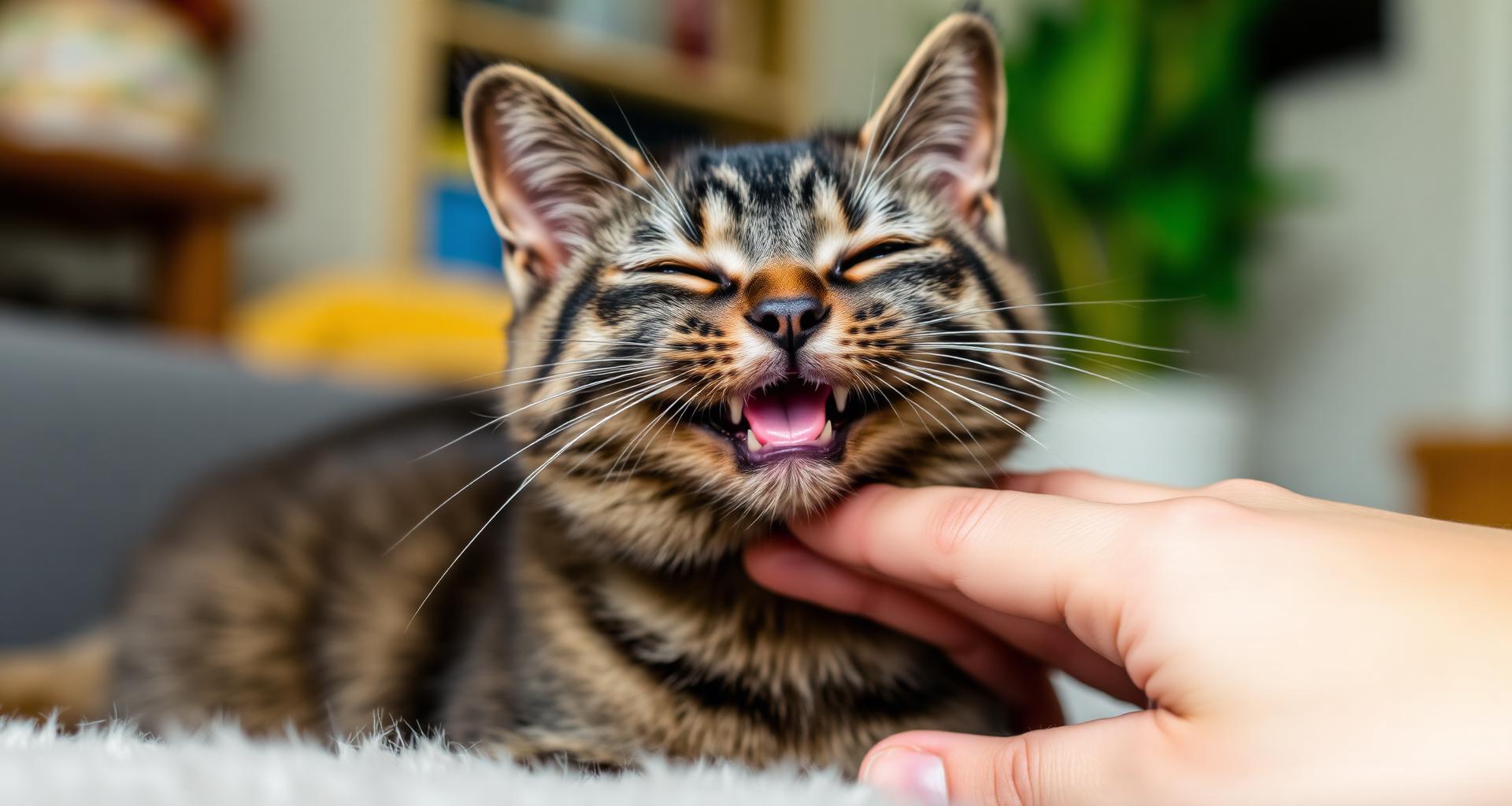
The most common type of purr, often accompanied by:
- Relaxed body posture
- Half-closed eyes (slow blinking)
- Kneading motions
- Curled-up position
This is the "happy" purr we all love to hear.
▸The Solicitation Purr
When your cat wants something (usually food), they may produce a distinctive purr with:
- Higher frequency embedded within
- More urgent quality
- Often accompanied by meowing
- Occurs around feeding time
Research shows this purr is harder for humans to ignore—cats have learned to manipulate us!
▸The Healing Purr
Cats may purr when:
- Injured or in pain
- Recovering from illness
- Stressed or anxious
- Near death
The vibrations are believed to have therapeutic properties, helping the cat self-heal.
▸The Social Purr
Cats use purring to communicate:
- Between mother and kittens
- With bonded feline companions
- With trusted humans
This purr builds and maintains social bonds.
Reading the Context
▸Look for Body Language
Purring alone doesn't tell the whole story. Consider:
- Ear position: Forward (content) vs. flattened (stressed)
- Tail movement: Gentle swaying vs. rapid twitching
- Eye state: Relaxed vs. wide and alert
- Body posture: Relaxed vs. tense
▸Consider the Situation
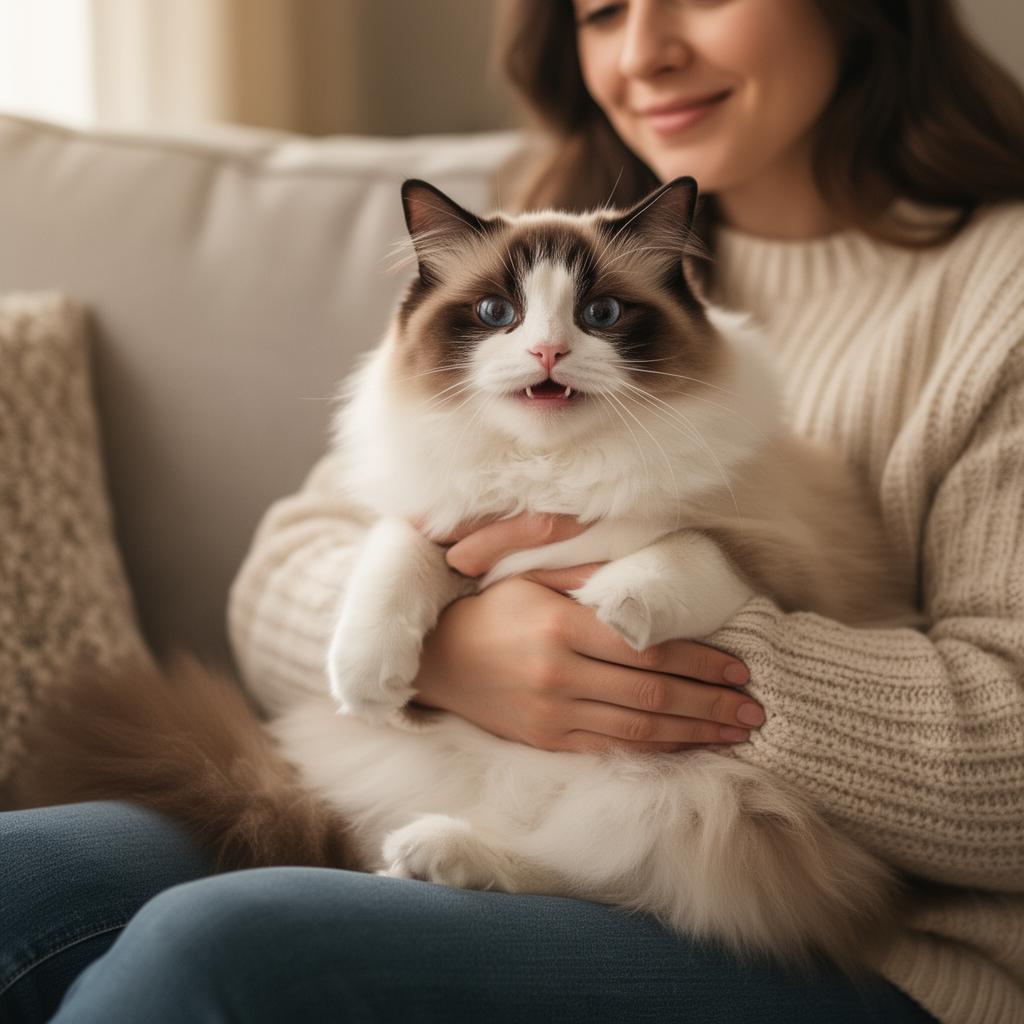
A purring cat in your lap is likely content. A purring cat at the vet may be self-soothing. Context matters!
▸Observe Patterns
Learn your cat's individual purring patterns. Each cat has unique variations in:
- Purr volume
- Frequency
- Duration
- Accompanying behaviors
Health Benefits of Cat Purring
▸For Cats
- Promotes bone healing
- Reduces pain and swelling
- Calms stress and anxiety
- Facilitates recovery
▸For Humans
Studies suggest that living with a purring cat may:
- Lower blood pressure
- Reduce stress and anxiety
- Decrease risk of heart attack
- Improve sleep quality
- Boost mood and well-being
When Purring Indicates a Problem
▸Signs of Concern
Seek veterinary attention if purring is accompanied by:
- Loss of appetite
- Hiding or withdrawal
- Lethargy
- Changes in breathing
- Visible injury or illness
▸Stress Purring
Sometimes cats purr when stressed to self-soothe. Watch for:
- Excessive grooming
- Dilated pupils
- Tense body
- Attempts to hide
Encouraging Happy Purrs
▸Create a Comfortable Environment
- Provide cozy sleeping spots
- Maintain consistent routines
- Offer appropriate stimulation
- Respect personal space
▸Build Trust
- Use slow blinking
- Gentle petting (when invited)
- Calm voice and movements
- Positive reinforcement
▸Meet Basic Needs
- Quality nutrition
- Fresh water
- Clean litter box
- Regular playtime
- Veterinary care
Why Some Cats Don't Purr Much
Not all cats are prolific purrers. Factors include:
- Breed: Some breeds are more vocal
- Personality: Individual variation is normal
- Past experiences: Traumatic histories may affect purring
- Health: Some conditions reduce purring
A cat that doesn't purr isn't necessarily unhappy—they may express contentment differently.
The Special Bond
When your cat purrs in your presence, it's a sign of trust and comfort. This ancient form of communication connects you to your feline companion in a unique way that transcends words.
Conclusion
Cat purring is a complex form of communication with multiple meanings. By paying attention to context, body language, and individual patterns, you can better understand what your cat is trying to tell you.
At Designer Cats, we help you build lasting bonds with your feline companions. Contact us at 8870 0666 or WhatsApp 8870 0666 to find your purring partner!
Continue Your Learning
Explore these related guides for more helpful information:
Continue reading:
Continue in the Cat Behaviour guide
This article is one chapter of a larger Singapore guide. The hub links every related chapter in reading order.
Open the Cat Behaviour hub- Understanding cat behaviourWhat common behaviours are really asking for.
- Cat body languageReading tail, ear, posture and pupil signals.
- Why cats kneadThe kittenhood origin of 'making biscuits'.
- Are cats nocturnal?Crepuscular rhythms and settling night-time activity.
- The slow blinkHow cats show trust and affection with their eyes.
References & Authoritative Sources
Written by our editorial team from the authoritative veterinary, government and registry sources listed below. For a concern about your own cat, please speak to a veterinarian.
- Animal & Veterinary Service (AVS), Singapore — Pet licensing & welfare standards
- WSAVA Vaccination Guidelines — Global feline vaccination protocol
- AAFP Feline Life Stage Guidelines — Veterinary care across life stages
- Cat Fanciers' Association (CFA) — Breed standards & registry
- The International Cat Association (TICA) — Breed standards & registry
- FIFe — Fédération Internationale Féline — International breed standards