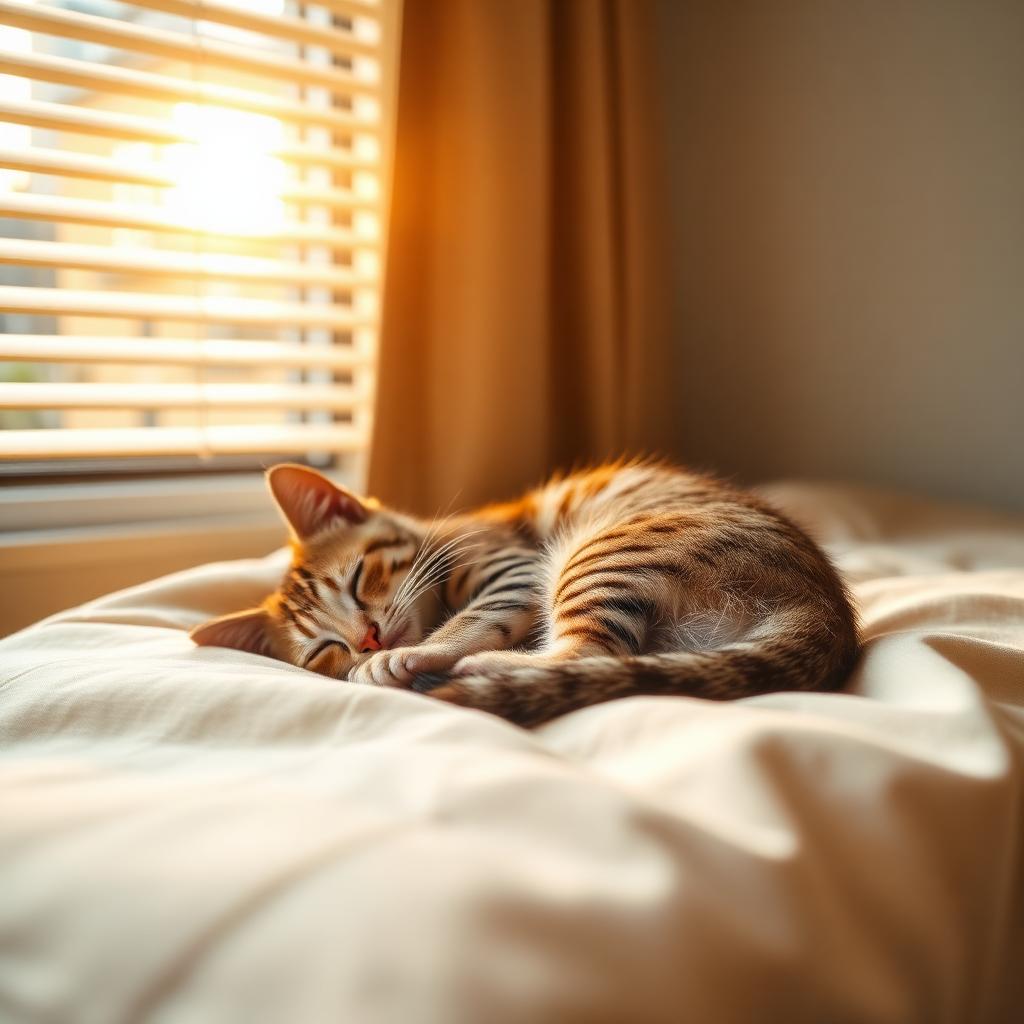
No — cats are not nocturnal. Cats are crepuscular, meaning they are naturally most active at dawn and dusk, and they sleep through the middle of the night and the middle of the day. Adult cats sleep an average of 12–16 hours per day, and kittens up to 20 hours. The "zoomies" you see at 5 a.m. or 8 p.m. are hardwired hunting behaviour inherited from their wild ancestors — not a sign your cat is nocturnal, broken, or being naughty.
This guide explains the science of feline sleep cycles, why your kitten wakes you at sunrise in Singapore, and the exact routine our cattery recommends to shift a cat's active hours into times that suit HDB and condo living.
Are Cats Nocturnal, Diurnal, or Crepuscular?
| Pattern | Active When | Examples |
|---|---|---|
| Diurnal | Daytime | Humans, songbirds |
| Nocturnal | Nighttime | Owls, bats, raccoons |
| **Crepuscular** | **Dawn & dusk** | **Domestic cats**, rabbits, deer |
Domestic cats (Felis catus) evolved from the African wildcat, which hunted small rodents that emerge at twilight. Their eyes — with a reflective tapetum lucidum — let them see in one-sixth the light a human needs, but they still need *some* light. True darkness isn't ideal for them either, which is why the "nocturnal cat" myth is wrong.
How Much Do Cats Sleep Per Day?
| Life Stage | Average Sleep | Notes |
|---|---|---|
| Newborn kitten (0–4 weeks) | 20–22 hours | Growth hormone released during sleep |
| Kitten (2–6 months) | 18–20 hours | Bursts of zoomies between naps |
| Adult cat (1–7 years) | 12–16 hours | 70% light sleep, 30% deep REM |
| Senior cat (8+ years) | 16–20 hours | Joint discomfort = more rest |
About 70% of a cat's sleep is light sleep — ears twitching, eyes half-open, ready to spring. Only the remaining 30% is deep REM sleep where dreaming happens. This is why your cat looks asleep but reacts the instant you open a treat pouch.
Why Is My Kitten Active at Night in Singapore?
Five common reasons we see at our Singapore cattery:
- Crepuscular instinct — peak activity 5–7 a.m. and 7–9 p.m. matches Singapore's sunrise/sunset year-round.
- Hunger — an empty stomach at 4 a.m. triggers hunting behaviour. A small late-night meal usually fixes this.
- Under-stimulation — indoor-only HDB cats with no play sessions store energy and release it at night.
- Hot afternoons — Singapore's 32 °C daytime heat pushes cats to sleep more during the day, so they're fresh at night.
- Loneliness in single-cat homes — cats left alone 10+ hours often flip their schedule to match when humans are home (evening).
How to Shift Your Cat's Active Hours — Our 5-Step Routine
This is the exact schedule we coach every new kitten family on collection day.
▸1. Play Hard at 8–9 p.m.
A 15–20 minute interactive play session with a wand toy mimics a full hunt. Build to a "kill" — let the cat catch the toy.
▸2. Feed the Biggest Meal Right After
"Hunt → catch → eat → groom → sleep" is the natural feline cycle. A protein-rich meal at 9 p.m. triggers the sleep phase. Our raw and fresh-cooked food range is portioned for exactly this.
▸3. Quiet Down the House by 10 p.m.
Dim lights, close curtains, turn off the TV. Cats take cues from their environment.
▸4. Block Bedroom Access (Optional)
If your kitten still wakes you at 5 a.m., close the bedroom door for the first few weeks. Provide a cosy bed, water and a litter box outside.
▸5. Don't Reward Night Waking
Feeding, talking to, or even scolding a cat at 4 a.m. teaches them that waking you = attention. Ignore it for 2–3 weeks and the behaviour fades.
> TL;DR: Late evening play + biggest meal of the day at 9 p.m. = a cat that sleeps through the night within 2–3 weeks.
Do Some Breeds Sleep More Than Others?
Yes. From 15+ years of breeding in Singapore, here is what we observe:
| Breed | Typical Activity Level | Notes |
|---|---|---|
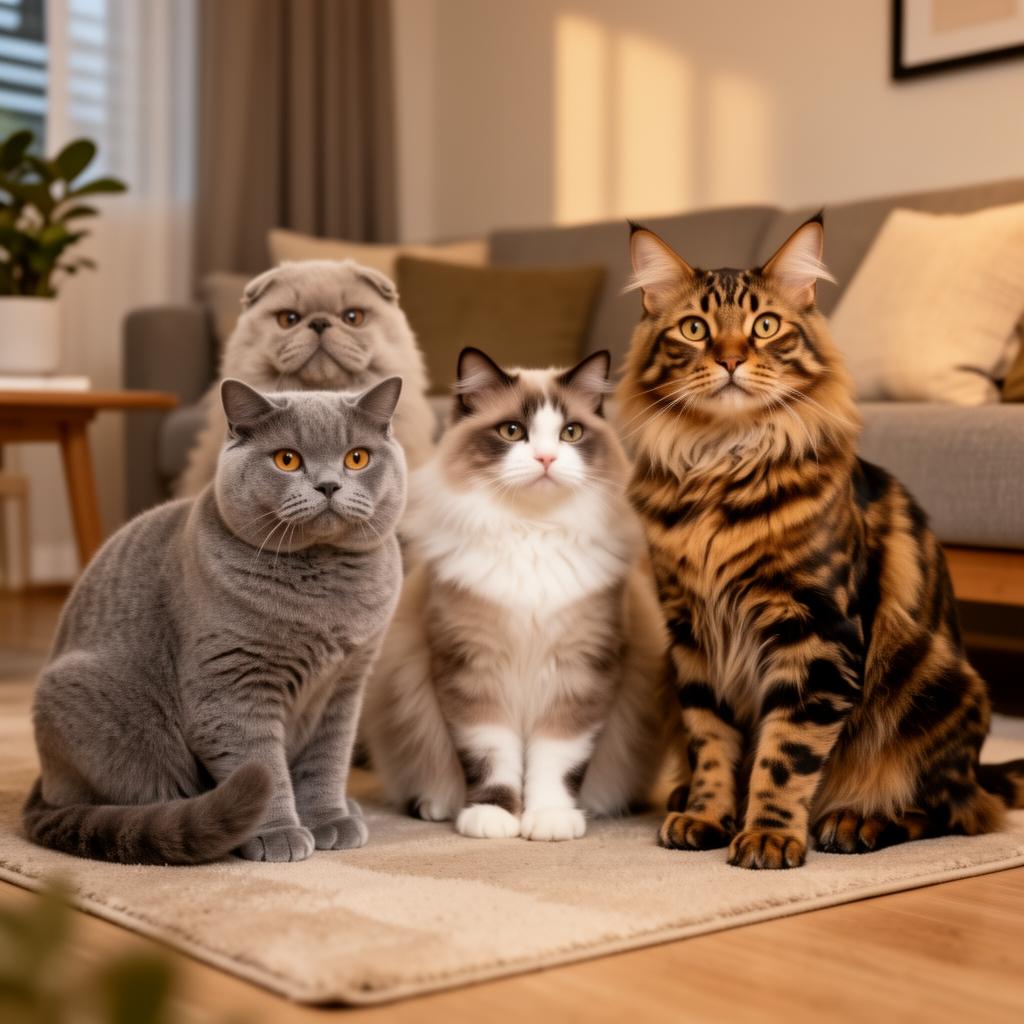
| [British Shorthair](/breeds/british-shorthair) | Low | Sleeps 16+ hrs; ideal for HDB working families |
| [Persian](/breeds/persian) | Low | Calm; perfect for quiet households |
| [Ragdoll](/breeds/ragdoll) | Low–medium | Floppy and relaxed |
| [Scottish Fold](/breeds/scottish-fold) | Medium | Gentle, predictable schedule |
| [Maine Coon](/breeds/maine-coon) | Medium | Big cat, loves dusk play |
| [Russian Blue](/breeds/russian-blue) | Medium | Quiet but playful at dawn |
| [Bengal](/breeds/bengal) | **High** | Most likely to do 5 a.m. zoomies — needs evening play |
| [Savannah](/breeds/savannah) | **High** | Wildcat heritage; dawn/dusk hunter |
| [Sphynx](/breeds/sphynx) | High | Energetic, social, attention-seeking |
If you work long hours or value an undisturbed night's sleep, choose a low-activity breed.
When Cat Sleep Becomes a Health Concern
Contact your vet if your cat:
- Suddenly sleeps more than 20 hours/day (lethargy can signal anaemia, kidney disease, or infection)
- Sleeps significantly less than 10 hours/day with restlessness (possible hyperthyroidism, pain, or cognitive dysfunction in seniors)
- Wakes screaming, disoriented, or vocalising at night (common in cats 12+ years — feline cognitive decline)
- Has sudden behaviour change alongside sleep change (always worth a check)
See our companion guides on common cat health problems in Singapore and senior cat health care.
Frequently Asked Questions
▸Are cats nocturnal?
No. Cats are crepuscular — most active at dawn and dusk. They sleep through the middle of the night and the middle of the day, totalling 12–16 hours for adults and up to 20 hours for kittens.
▸Why does my cat wake me at 5 a.m. in Singapore?
Sunrise in Singapore is around 7 a.m. year-round, and your cat's body clock activates 1–2 hours before that. Hunger and a quiet apartment amplify it. A late-night play session plus a 9 p.m. meal usually resolves it within 2–3 weeks.
▸How many hours do cats sleep per day?
Adult cats: 12–16 hours. Kittens under 6 months: 18–20 hours. Seniors (8+ years): 16–20 hours. About 70% is light sleep; only 30% is deep REM.
▸Is it bad to wake a sleeping cat?
Not harmful, but disrupting REM sleep regularly can cause grumpiness and stress. Let sleeping cats lie.
▸Do cats dream?
Yes. During REM sleep — usually shown by twitching paws, whiskers, and tails — cats experience dream activity similar to humans. They likely "replay" hunting, eating, and social interactions.
▸Can I train my cat to sleep at night?
Yes, within 2–3 weeks for most cats. Play hard at 8–9 p.m., feed the biggest meal right after, ignore night-waking, and keep the bedroom routine consistent.
▸Do kittens sleep more than adult cats?
Yes. Kittens under 6 months sleep 18–20 hours per day because growth hormone is released during deep sleep. This is normal — never wake a sleeping kitten unless feeding time.
▸Why is my cat suddenly sleeping all day?
Cats naturally sleep more in hot weather (Singapore's daytime heat) and as they age. But sudden lethargy with appetite loss, hiding, or vocalising warrants a vet visit — it can signal anaemia, kidney issues, or infection.
Related Reading:
- 3-3-3 Rule for Cats — Settling a New Kitten in Singapore
- Cat Behaviour Problems & Solutions
- First-Time Cat Owner Guide Singapore
- Calmest Cat Breeds for Singapore Apartments
- Senior Cat Health Care Guide
Continue Your Learning
Explore these related guides for more helpful information:
Breeds Mentioned in This Article
Learn more about these cat breeds featured in this guide:
Related Guides You'll Love
Senior Cat Health & Care Guide Singapore
Buying a Russian Blue Kitten In Singapore
Maine Coon Polydactyl Guide
British Shorthair Care Guide Singapore
Continue reading:
Continue in the Cat Behaviour guide
This article is one chapter of a larger Singapore guide. The hub links every related chapter in reading order.
Open the Cat Behaviour hub- Understanding cat behaviourWhat common behaviours are really asking for.
- Cat body languageReading tail, ear, posture and pupil signals.
- Why cats purrContentment, self-soothing and solicitation purrs.
- Why cats kneadThe kittenhood origin of 'making biscuits'.
- The slow blinkHow cats show trust and affection with their eyes.
References & Authoritative Sources
Written by our editorial team from the authoritative veterinary, government and registry sources listed below. For a concern about your own cat, please speak to a veterinarian.
- Animal & Veterinary Service (AVS), Singapore — Pet licensing & welfare standards
- WSAVA Vaccination Guidelines — Global feline vaccination protocol
- AAFP Feline Life Stage Guidelines — Veterinary care across life stages
- Cat Fanciers' Association (CFA) — Breed standards & registry
- The International Cat Association (TICA) — Breed standards & registry
- FIFe — Fédération Internationale Féline — International breed standards